Electric Wheelchair Braking System Checklist for B2B Buyers
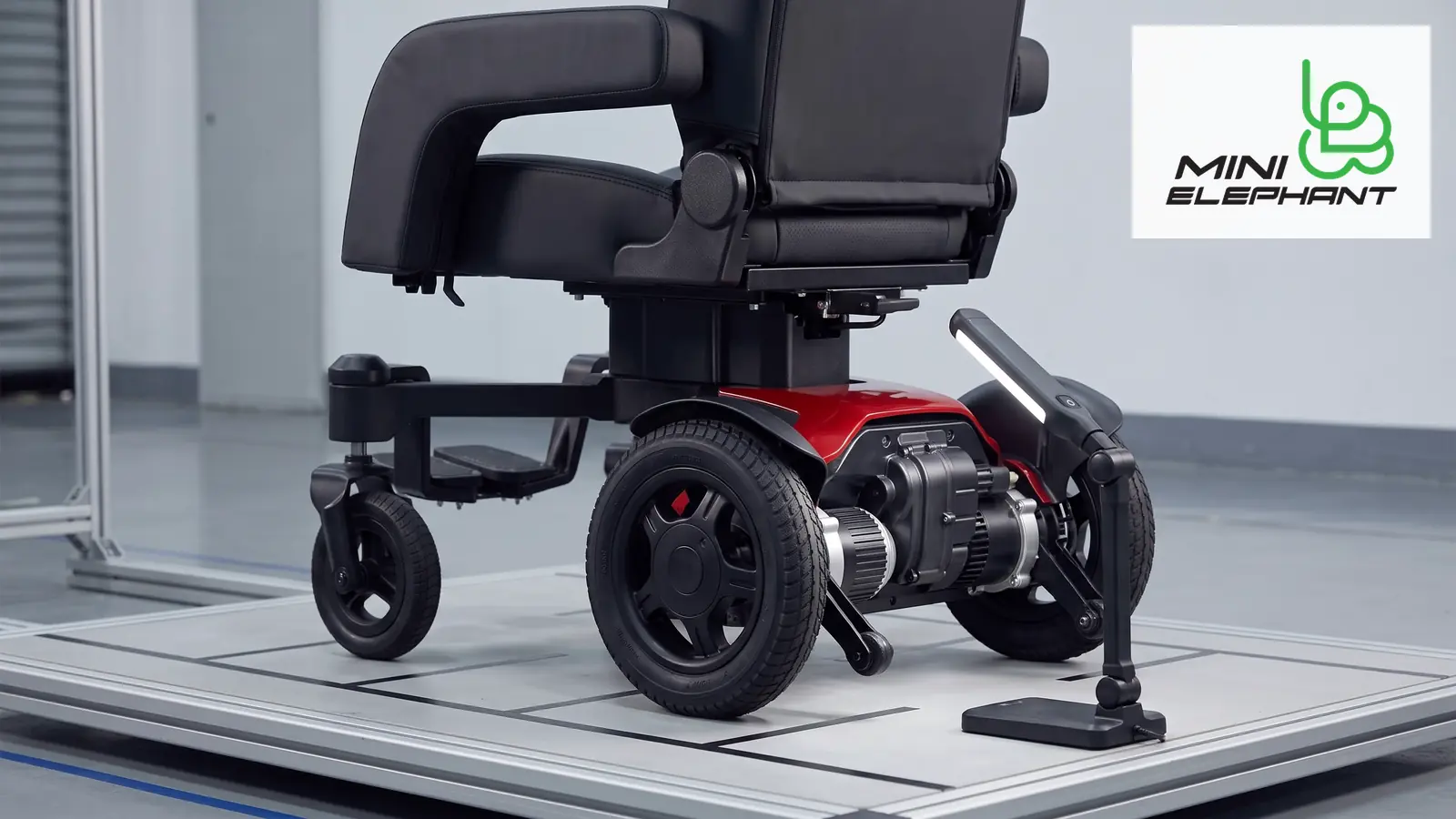
An electric wheelchair braking review should begin with the exact delivered configuration, the applicable operating manual, and an agreed inspection record. For importers and dealers, the aim is not to make broad safety claims. It is to verify that the supplied wheelchair, drive system, controls, freewheel interface, documentation, and service parts match the configuration approved for the order.
Why Braking Belongs in the RFQ and Sample Review
An electric wheelchair can look similar in a catalogue while using a different motor, controller, brake assembly, wheel size, battery configuration, or seating setup. These variables can affect the supplied braking interface, service procedure, inspection process, and product documentation. A buyer should therefore avoid approving a product from photographs alone.
For a B2B purchase, ask the manufacturer to identify the applicable product manual, drive motor version, controller version, brake-related service parts, freewheel or disengagement instructions, approved inspection points, and the steps that require trained service support. Keep those records tied to the exact model and revision quoted.
This article is a commercial procurement and quality-control guide. It does not replace the product manual, qualified service training, local legal requirements, individual user assessment, or controlled testing procedures.
Start With the Supplied Configuration
Before evaluating a sample, create a configuration record. Include the electric wheelchair model, frame version, drive-wheel arrangement, motor and controller identifiers where supplied, battery and charger configuration, seat package, wheels and tires, accessory fitment, and the version of the operating documentation. The record should also note any approved regional electrical or transport variations.
The purpose is traceability. If a later shipment uses a different component revision, the buyer can ask whether the documentation, service process, spare-part list, packaging, and inspection criteria need to change too.
Visual Checks Before Functional Review
Begin with a calm visual inspection in a clean, level area. Use the supplier instructions as the controlling reference. A practical receiving or pre-shipment check can include:
1. Inspecting rear drive wheels, tires, motor housings, cables, connectors, guards, and visible fasteners for shipping damage or incomplete assembly.
2. Confirming that the controller, joystick mount, seating package, and battery enclosure match the approved configuration record.
3. Checking that the manual identifies the applicable normal parking, power-off, charging, and freewheel procedures for the supplied wheelchair.
4. Recording any unusual noise, loose component, damaged cable, warning display, or movement that differs from the documented normal condition.
5. Marking any unit with an unresolved observation for supplier review rather than improvising a repair or substitution.
Do not infer a brake condition from appearance alone. A clean motor housing or new tire does not confirm the state of an electrical, mechanical, or control-system component.
Freewheel and Service Interfaces Need Clear Control
Many powered mobility products include a documented means of disengaging drive resistance for moving or servicing the product under defined conditions. The exact interface, sequence, precautions, and restrictions are product-specific. Dealers should request the supplied instructions and train staff only on the approved process.
During a sample review, confirm that the freewheel or disengagement control is identifiable in the documentation, accessible as designed, and protected from accidental use in normal handling and packaging. Do not force a lever, remove a housing, alter a cable, or conduct an unsupervised test. If the delivered product differs from the sample documentation, pause approval and request clarification.
Functional Review Should Use Documented Conditions
Functional checks should be performed only in an appropriate controlled setting, within the product manual and by people authorized to conduct them. A useful procurement record states the configuration, battery state, test surface, test observer, and any relevant environmental conditions.
Rather than claiming a generic stopping distance or a universal performance result, document observable points: normal powered start and stop behavior, controller response, expected hold behavior under the stated conditions, normal reverse operation, and the effect of switching between documented drive and freewheel states. If behavior is unexpected, stop the evaluation and use the supplier service path.
The same conditions should be used when comparing samples. A change in tire pressure, charge state, payload, surface, slope, programming, or component revision can change an observation. Keep the records so a supplier can reproduce the question with the correct configuration.
Questions to Add to a B2B Purchase Specification
Before placing a larger electric wheelchair order, include brake-related information in the purchase specification and quality agreement:
| --- | --- |
The best answer is specific to the supplied configuration. Generic statements such as "all brakes are the same" or "maintenance-free" do not replace part numbers, manuals, records, and a defined escalation route.
Pre-Shipment and Receiving Record
A short written record gives both parties a clearer starting point. It can include the purchase order reference, model and serial identifiers where applicable, configuration photo, inspection date, document revision, visual findings, approved functional observations, packaging condition, and any open issue. Attach photographs that show the whole wheelchair and relevant accessible areas without dismantling the product.
At goods receiving, inspect for transit damage before putting a unit into demonstration, rental, or resale inventory. Check that supplied documentation, charger, accessories, and any agreed spare parts correspond to the packing list and approved order. A damaged or unclear unit should be separated from normal stock until the supplier or qualified service process provides direction.
A Practical Buying Decision
For B2B buyers, a strong electric wheelchair braking-system review is a documentation exercise as much as a product exercise. Approve the complete configuration, confirm the correct manual and service path, use repeatable inspection conditions, and retain an evidence record for the model being ordered.
MiniElephant can provide product information and quotation discussions for its MiniRedone folding electric wheelchair range. Buyers should request the exact configuration details, operating documents, and service information relevant to their intended market before finalizing an order. Contact the MiniElephant export team to discuss a product configuration or wholesale inquiry.
Interested in MiniElephant Electric Wheelchairs?
Get a customized quotation and product recommendation from our export team. Response within 24 hours.