Electric Wheelchair CE Certification 2026: MDR Transition and What B2B Importers Must Know
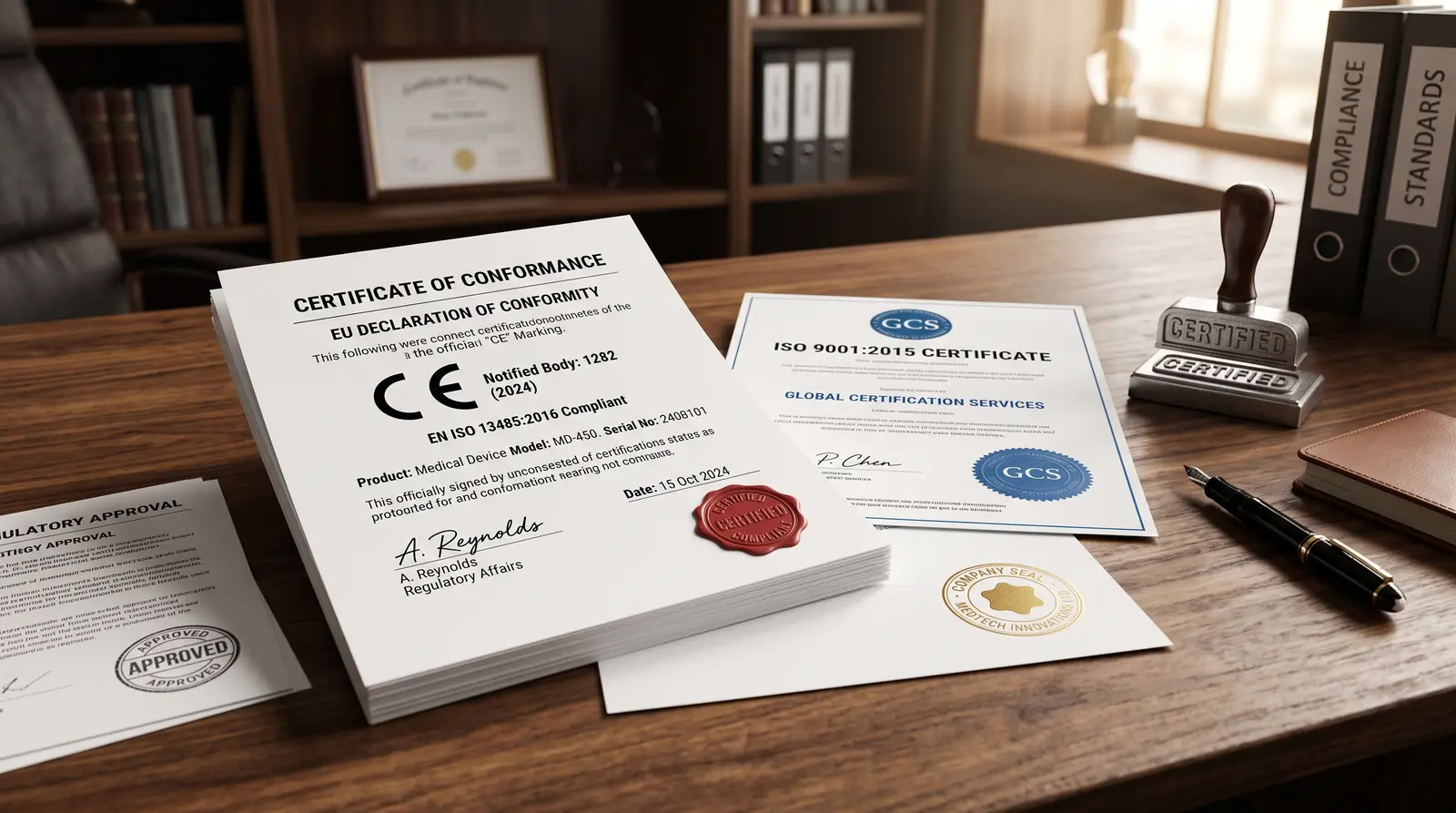
The MDR Landscape for Electric Wheelchairs in 2026
The EU Medical Device Regulation (MDR 2017/745) replaced the former Medical Device Directive (MDD 93/42/EEC) after a transition period that ended in stages. For electric wheelchairs classified as medical devices under MDR, the regulation changes have significant implications for manufacturers, importers, and distributors serving the European market.
This guide explains the current MDR requirements specifically for electric wheelchairs and what B2B importers need to verify before placing products on the EU market.
Electric Wheelchair Classification Under MDR
Under MDR, electric wheelchairs are typically classified as:
Most standard electric wheelchairs fall under Class IIa. This classification requires notified body involvement, technical documentation review, quality management system (ISO 13485) certification, clinical evaluation report (CER), and post-market surveillance system.
Key MDR Changes
Notified Body Scarcity
Under MDR, notified bodies face stricter designation requirements, reducing available certifiers. Certification timelines have increased from 6-9 months to 12-18 months.
Technical Documentation
MDR Annex II and III specify more detailed requirements covering device description, manufacturing process validation, general safety and performance requirements (GSPR), benefit-risk analysis, and clinical evaluation.
For electric wheelchairs, specific requirements include:
- IEC 60601-1 electrical safety
- IEC 60601-1-2 electromagnetic compatibility
- IEC 62366 usability testing
- ISO 10993 biological evaluation for seat materials
- UN38.3 and IEC 62133 battery safety
- Stability testing including tip resistance on slopes
Clinical Evaluation
MDR raises the bar for clinical evidence including a formal Clinical Evaluation Report (CER), equivalent device justification, Post-Market Clinical Follow-up (PMCF) plan, and demonstrated safety and performance.
UDI Requirements
Unique Device Identification (UDI) codes must be assigned to each device model and registered in EUDAMED.
Authorized Representative
Non-EU manufacturers must appoint an EU Authorized Representative registered with competent authorities.
Practical Checklist for B2B Importers
1. Manufacturer holds valid ISO 13485 certification
2. CE certificate issued under MDR by a designated notified body
3. Notified Body number verifiable on NANDO database
4. Technical documentation complete and available
5. Clinical evaluation report covers the specific device
6. Declaration of Conformity properly signed
7. EU Authorized Representative appointed
8. UDI compliance plan in place
9. Post-market surveillance system operational
10. Product liability insurance covers EU distribution
How MiniElephant Complies
**Contact our compliance team:** [www.semwheelchair.com/contact](https://www.semwheelchair.com/contact)
**Browse CE-certified MiniRedone models:** [www.semwheelchair.com/products](https://www.semwheelchair.com/products)
Interested in MiniElephant Electric Wheelchairs?
Get a customized quotation and product recommendation from our export team. Response within 24 hours.