Electric Wheelchair Charging Methods: On-Board vs Off-Board Review
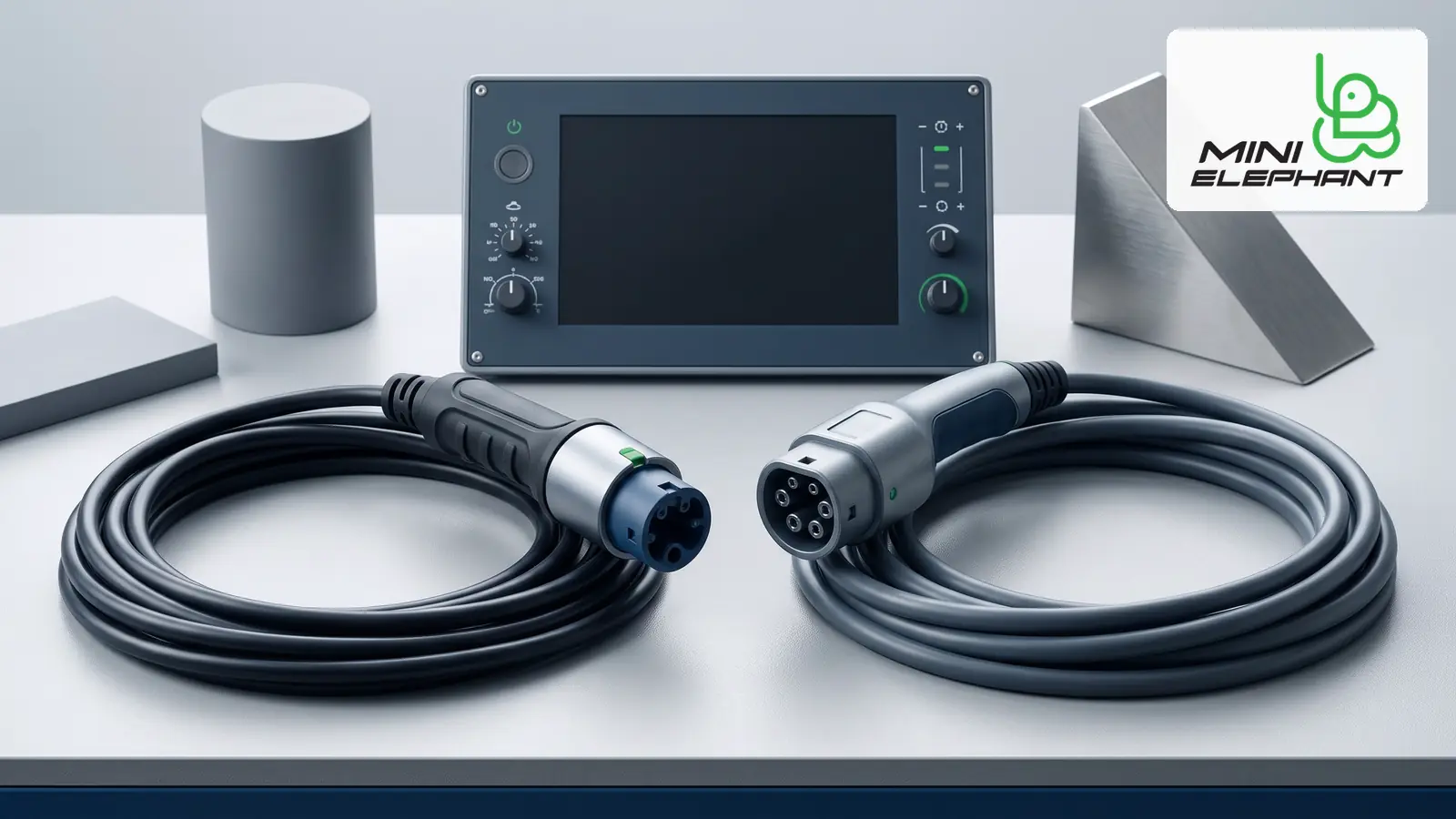
The practical answer: an electric wheelchair charging method should be selected for the buyer's service workflow, not advertised as universally better. On-board charging usually reduces handling steps; off-board charging can simplify pack-level checks and replacement planning. For distributors and institutional buyers, the correct electric wheelchair choice depends on user routine, staff capability, charging locations, and the supplier's documented compatibility instructions.
Background: Why Electric Wheelchair Charging Method Matters
An electric wheelchair is a system of matched charger, battery pack, protection electronics, connectors, and instructions. A charging decision influences daily handoffs, cable wear, storage layout, technician training, and the evidence a buyer requests during incoming inspection.
For this electric wheelchair review, “on-board” means the charger function is integrated into the chair or used while the pack remains installed. “Off-board” means a separate external charger and, in some configurations, a removable pack. These labels are not a safety rating, a transport approval, or a promise of range. Buyers should obtain the actual model documentation and confirm destination-market responsibilities with local advisers.
Electric Wheelchair Evaluation Criteria
A comparison is more reliable when procurement teams score the same five factors for every electric wheelchair configuration:
|---|---|---|
Electric Wheelchair Charging Methods Compared
On-board electric wheelchair charging
With an on-board electric wheelchair approach, the operator typically parks the unit and connects an approved supply lead to the designated port. The main advantage is process simplicity: staff do not need to remove a pack during every charge cycle. This can reduce repeated handling in a showroom, care setting, or rental return bay.
The trade-off is that the electric wheelchair must occupy its charging location. Buyers should check cable reach, port access, ventilation requirements stated by the manufacturer, and whether the outlet layout keeps walkways clear. They should also verify that a replacement charger is identified by the exact product configuration rather than by a visually similar plug.
Off-board electric wheelchair charging
An off-board electric wheelchair arrangement places the charger outside the chair. Depending on the design, a technician may connect it to an installed pack or remove a pack for charging at a controlled station. This can help a distributor separate charging activity from the product floor and make individual charging equipment easier to inspect.
The added handling is the key operational cost. Each electric wheelchair pack movement needs a defined handoff, clean storage point, clear labeling, and training based on the supplied instructions. Procurement teams should not assume a removable-pack design is automatically faster: the result depends on pack mass, connector design, staff workflow, and available charging positions.
Side-by-side electric wheelchair comparison
|---|---|---|---|
What Data Should an Electric Wheelchair Buyer Compare?
Specific numbers are useful only when they come from the exact configuration being quoted. Request the charger input and output ratings, the stated charging-time conditions, connector reference, battery specification, operating temperature instructions, and any prescribed storage procedure. Compare the electric wheelchair documents line by line against the sample and quotation; do not combine values from brochures covering different variants.
A practical review also measures workflow numbers locally. Count the charging bays available, the number of expected returns per shift, cable lengths, staff handoffs, and the clearance around parked equipment. For example, a site with 12 return positions and 6 approved outlets must define rotation and labeling before it receives the first electric wheelchair delivery. That is an operational calculation, not a claim that every unit will charge in a fixed time.
Electric Wheelchair Decision Framework for B2B Buyers
Use this four-step framework before selecting an electric wheelchair charging approach:
1. Map the routine. Identify where each unit is received, parked, connected, checked, and released.
2. Freeze the configuration. Record model, revision, charger reference, connector, pack option, documents, and approved sample observations.
3. Test the handoff. Ask the supplier to demonstrate the exact workflow, then let the buyer's intended operator repeat it using the written instructions.
4. Control changes. If the charger, pack, connector, or firmware-relevant component changes after approval, request written change control before accepting the revised electric wheelchair configuration.
MiniElephant Electric Wheelchair can provide product-specific information for an RFQ or sample discussion. Buyers should ask Johnson at johnson@semwheelchair.com to clarify the quoted configuration, while keeping import approval and local compliance decisions with the responsible importer and advisers.
FAQ: Electric Wheelchair Charging Methods
Is on-board electric wheelchair charging always easier?
No. It often reduces pack handling, but the best electric wheelchair process depends on outlet access, parking space, cable routing, and the instructions for the quoted model.
Does an off-board charger make an electric wheelchair safer?
Not by itself. Safe use depends on the approved components, documented operating procedure, inspection, and the conditions specified for that electric wheelchair configuration.
What should a distributor put in an electric wheelchair RFQ?
Specify the intended charging method, exact model/SKU, charger and connector references, pack option, required documents, packaging needs, and requested sample demonstration.
Can one charger serve every electric wheelchair in a fleet?
Do not assume so. Confirm compatibility in writing for each electric wheelchair configuration; similar connectors do not prove that electrical requirements or protection logic match.
Who is responsible for electric wheelchair import compliance?
The importer and applicable local advisers should determine destination-market obligations. A manufacturer's documents support evaluation but do not guarantee market-entry approval.
Interested in MiniElephant Electric Wheelchairs?
Get a customized quotation and product recommendation from our export team. Response within 24 hours.