How to Start an Electric Wheelchair Distribution Business: Complete B2B Startup Guide
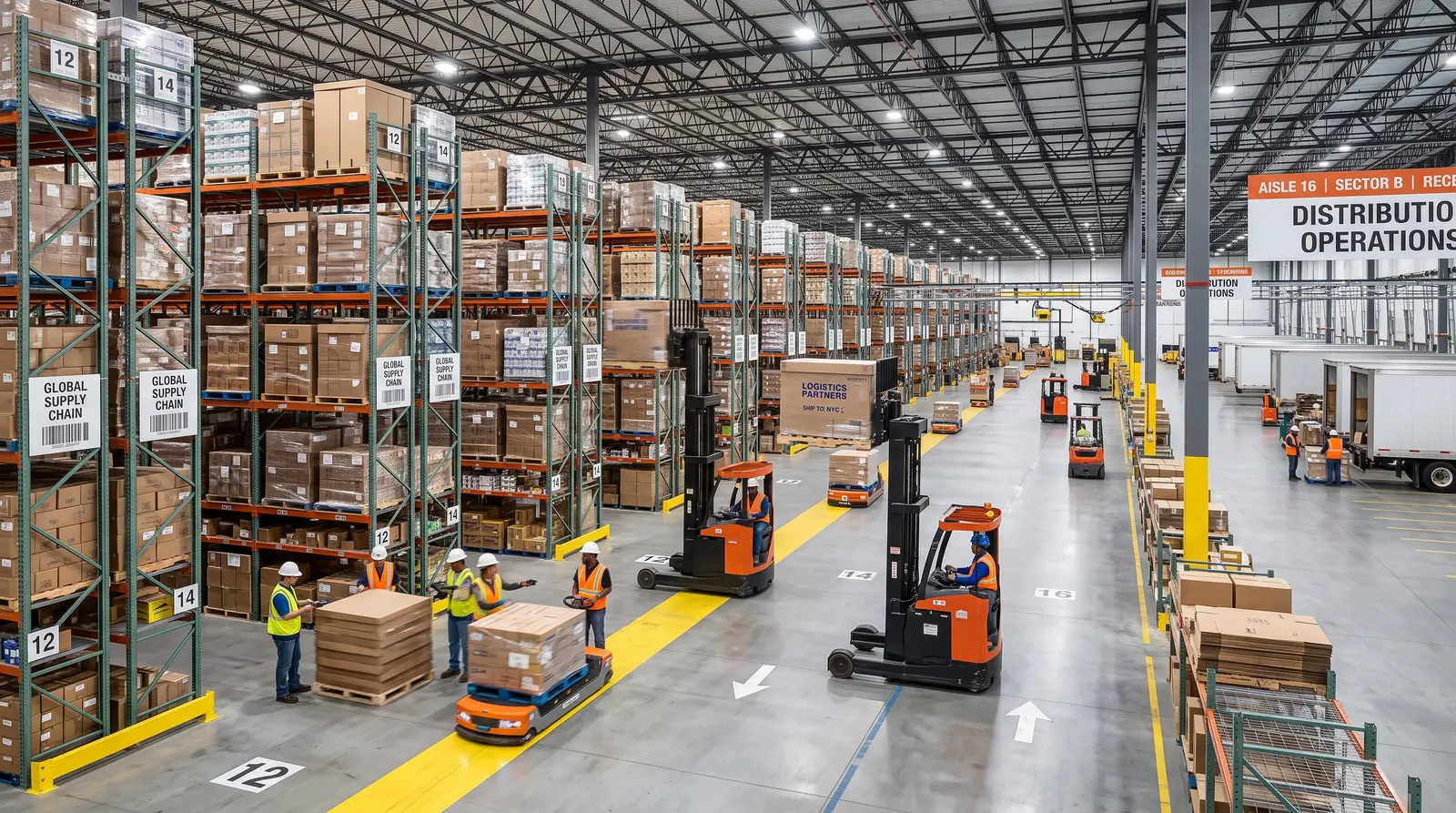
A Roadmap for New Electric Wheelchair Importers
The global electric wheelchair market was valued at over $10 billion in 2025 and continues to grow at 8-10% annually. For entrepreneurs and established distributors looking to enter this market, the opportunity is clear — but so are the challenges. Unlike commodity imports, electric wheelchairs are regulated medical devices with specific certification, logistics, and after-sales requirements.
This guide provides a step-by-step roadmap for launching an electric wheelchair distribution business, from initial research to first container shipment.
Phase 1: Market Research and Business Planning (Months 1-2)
Before placing a single order, understand your target market:
Define Your Target Market:
- Which country or region will you serve?
- Who are your end users — home users, hospitals, care homes, or rental companies?
- What is the competitive landscape — who currently supplies electric wheelchairs?
- What is your entry price point — budget, mid-range, or premium?
Capital Requirements:
- Minimum startup capital: $50,000-$150,000 depending on market size
- First container investment: $30,000-$70,000 (130-180 units FOB)
- Certification and registration: $5,000-$20,000 per market
- Warehousing and operations: $10,000-$30,000 initial setup
Business Registration:
- Register your import/export business entity
- Obtain necessary import licenses for medical devices
- Open a business bank account capable of international wire transfers
- Consider medical device distributor licensing if required in your market
Phase 2: Finding and Evaluating Suppliers (Months 2-3)
This is the most critical phase. The right manufacturer determines your product quality, certification support, and long-term competitiveness.
Sources for Finding Manufacturers:
|--------|------|------|
Manufacturer Evaluation Checklist:
- [ ] ISO 13485 certification (medical device quality management)
- [ ] CE marking under EU MDR with valid Notified Body
- [ ] FDA establishment registration (for US market access)
- [ ] In-house R&D and engineering team
- [ ] Own manufacturing facility (not just a trading company)
- [ ] Export experience to your target market
- [ ] OEM/ODM customization capability
- [ ] Spare parts inventory and after-sales support
- [ ] Willingness to provide samples before bulk orders
**Red flag:** If a manufacturer cannot or will not provide certification documentation, factory photos, or customer references, move on.
Phase 3: Product Selection and Sample Evaluation (Month 3)
Choosing Your First Models:
For most new distributors, starting with 2-3 models is optimal:
|------------|---------|---------|
Sample Evaluation Protocol:
1. Order 1-2 units of each model via express air freight
2. Test range, speed, fold mechanism, stability
3. Have potential customers test-ride and provide feedback
4. Verify all certification documents match the sample unit
5. Check packaging quality and included accessories
6. Evaluate the user manual quality and language options
Phase 4: Certification and Market Registration (Months 3-6)
While your manufacturer provides factory-level certifications (CE, ISO 13485, FDA registration), you may need additional local registrations:
|--------|-------------------|----------|---------------|
Tip: Start the certification process for your highest-potential market first. Many countries recognize CE or FDA documentation, reducing duplicate work.
Phase 5: First Order and Logistics (Month 4-5)
Container Planning:
- 20GP container: ~130 folding units (good for first order)
- 40HQ container: ~180 folding units (better per-unit economics)
- Mixed container: 2-3 models in one container
Documentation Checklist:
- Commercial invoice
- Packing list
- Bill of Lading
- Certificate of Origin (for preferential duty rates)
- UN38.3 and MSDS (lithium battery shipping)
- CE Declaration of Conformity
- Insurance certificate
Cost Breakdown (First Container, 130 units FOB China to Warehouse):
|------|------------|
Phase 6: Go-to-Market Strategy (Month 5-6)
Building Your Sales Channels:
1. Direct B2B sales — Approach hospitals, care homes, rehabilitation centers
2. Dealer network — Recruit medical equipment dealers in different regions
3. Online presence — Professional website with product specifications, certification downloads
4. Government tenders — Register as a supplier for public health procurement
5. Demonstration units — Place demo units at strategic locations
Pricing Strategy:
- Map your cost + freight + duty = landed cost
- B2B wholesale margin: 25-40% (sell to dealers)
- Dealer retail margin: 30-50% (sell to end users)
- Institutional tender margins: 15-25% (volume-driven)
Marketing Materials:
- Professional product catalog with specifications
- Certification document package (ready to share with buyers)
- Comparison chart against competing models
- Spare parts price list
- Warranty terms and conditions
Phase 7: After-Sales and Growth (Month 6+)
Spare Parts Inventory:
Stock the most commonly needed parts:
- Joysticks and controllers (most common failure)
- Battery packs (heaviest usage item)
- Motors (for warranty replacements)
- Tire sets (normal wear and tear)
- Chargers (lost or damaged by end users)
Building Customer Trust:
- Provide a simple user guide in your local language
- Create a WhatsApp or phone support line for dealers
- Offer basic training to dealer sales staff
- Collect customer testimonials and case studies
- Build a reference customer list for new prospects
Scale Strategy:
- After 6-12 months, evaluate adding 2-3 more models
- Consider exclusive distribution rights from your manufacturer
- Expand to neighboring countries
- Build your own service center
- Explore OEM/ODM branding for your own brand
Common Mistakes to Avoid
|---------|-------------|------------|
The MiniElephant Advantage for New Distributors
MiniElephant specifically structures its partnership program to support new distributors:
- Low minimum orders — Start with 5 units per model for market testing
- Sample program — 1-2 units shipped within 5 working days via express air
- Documentation package — confirm applicable market documents for the selected configuration
- OEM/ODM entry — Custom branding available from 50 units per model
- Spare parts support — Dedicated channel with 24-hour dispatch for common parts
- Technical training — Online training for your service team
**Ready to start your electric wheelchair distribution business?** Contact MiniElephant's export team at [www.semwheelchair.com/contact](https://www.semwheelchair.com/contact) — we provide startup packages specifically designed for new B2B partners.
Interested in MiniElephant Electric Wheelchairs?
Get a customized quotation and product recommendation from our export team. Response within 24 hours.