Electric Wheelchair Firmware: Factory vs Dealer Update Control
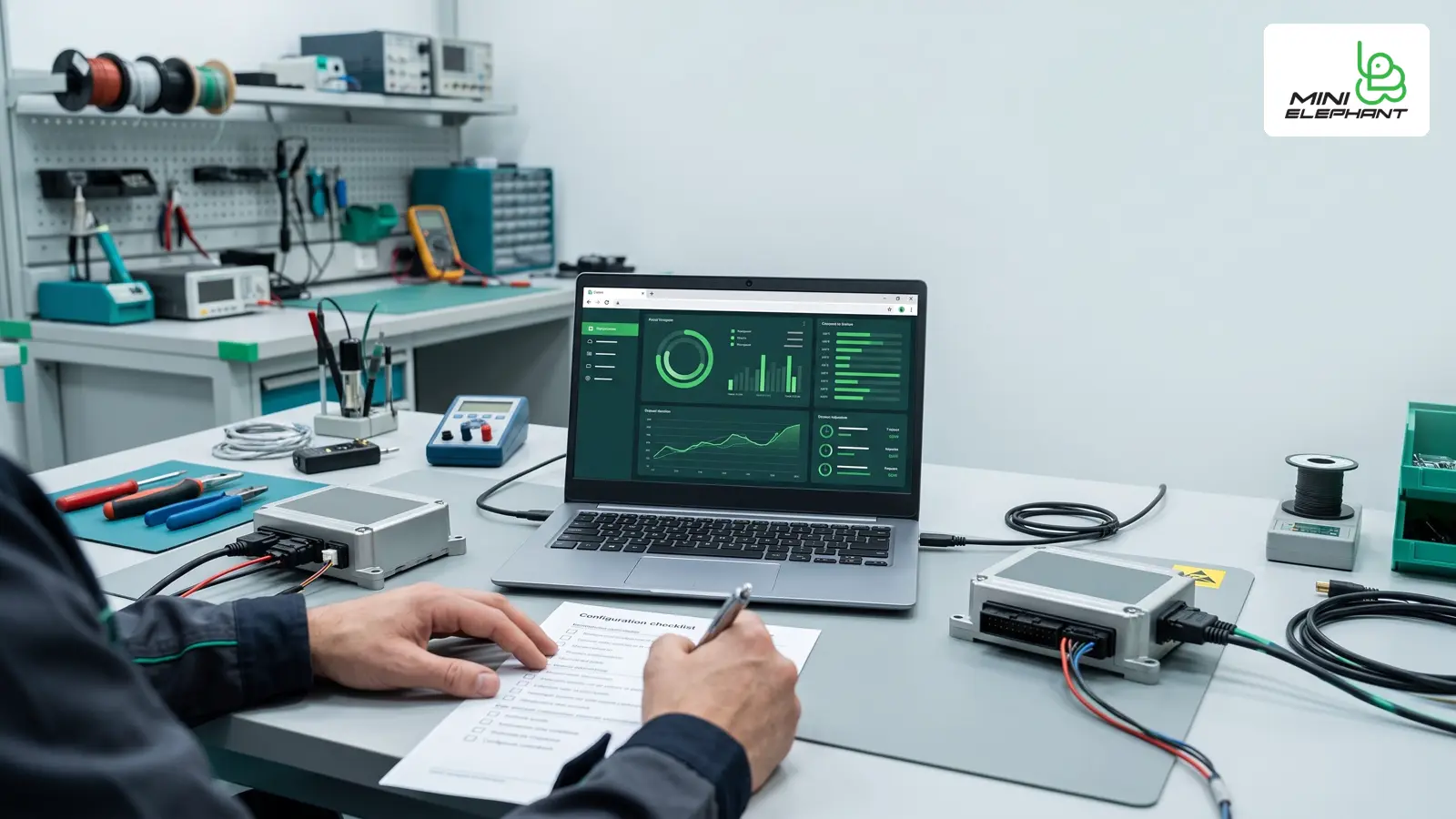
Electric wheelchair firmware updates should be compared by authorization, configuration compatibility and recovery support—not simply by who can connect a laptop. Factory-controlled updates can centralize release decisions; authorized dealer updates can shorten local service workflows when the manufacturer supplies the correct tools, instructions and escalation route. Neither approach is automatically safer or available on every model.
Background: Why Electric Wheelchair Update Control Matters
The World Health Organization reports that more than 2.5 billion people need one or more assistive products. That figure covers assistive technology broadly; it is not an electric wheelchair market-size estimate. For importers, the practical lesson is to evaluate ongoing product support alongside the initial purchase specification.
An electric wheelchair controller may contain embedded software and configurable parameters. Changing a parameter is not necessarily installing firmware. A diagnostic connection does not establish permission to modify either. Buyers should ask which service operations exist for the exact controller, hardware revision and supplied configuration before comparing supplier proposals.
This review compares two service-control approaches, not named products. The examples below are hypothetical procurement calculations, not measured supplier performance, manufacturer instructions or clinical recommendations. Some systems support neither field firmware updates nor dealer programming.
Five Electric Wheelchair Evaluation Criteria
1. Authorization. Identify who approves a release, who can install it and which training or access controls apply. Electric wheelchair service access should follow written manufacturer instructions, not assumptions based on connector shape.
2. Compatibility. Request the supported controller reference, hardware revision, software version and relevant configuration identifiers. A file labeled with a product family is not enough to confirm an electric wheelchair configuration match.
3. Recovery. Ask what happens after an interrupted or unsuccessful operation. Confirm the stop-use instruction, escalation contact and approved recovery route. Do not assume that rollback, backup restoration or remote recovery is supported.
4. Evidence. Specify the service record: unit identifier, previous version, approved target version, authorization, technician and documented outcome. Link the record to the exact electric wheelchair rather than a generic workshop job.
5. Workflow cost. Compare transport, technician time, equipment access, verification and customer communication. A lower installation fee can be outweighed by shipping or repeat visits. Obtain written quotations instead of treating hypothetical figures as electric wheelchair service prices.
Electric Wheelchair Comparison: Factory vs Authorized Dealer
Choose the electric wheelchair support route that can be documented and executed for the delivered configuration. Dealer proximity alone does not prove authorization. Factory control alone does not prove a faster turnaround or broader technical capability.
The strongest proposal may combine centralized release approval with authorized local execution. However, an importer must verify that this hybrid arrangement actually exists; it should not be inferred from a supplier offering spare parts or technical messages.
Worked Comparison: Separate Waiting Time From Hands-On Work
Consider an illustrative electric wheelchair service case with identical technical scope under both routes. Assume centralized service requires 2 days outbound transit, 3 days in the service queue and 2 days return transit. The elapsed workflow is 7 days. A hypothetical local authorized workshop requires a 1-day queue and a 1-day service window: 2 days total.
The local example is 5 days shorter, or approximately 71.4% less elapsed time relative to 7 days. This is arithmetic, not a forecast. It assumes suitable local authorization, available tools, compatible software and successful completion. Parts shortages, additional diagnosis or recovery can change the outcome completely.
A separate electric wheelchair workload example uses 12 service cases and 35 minutes of documented hands-on work per case. That is 420 minutes, or 7 hours. If an authorized workflow reduces the same documented task to 20 minutes, the total is 240 minutes, or 4 hours: a 3-hour difference, approximately 42.9% less hands-on time.
Do not add these percentages together. Elapsed days and technician hours measure different things. Neither calculation establishes reliability, safety, regulatory status or a guaranteed customer return date. Ask each electric wheelchair supplier for a written workflow and collect your own service records before estimating operational savings.
What Should an Electric Wheelchair Update Record Include?
A purchasing comparison becomes more useful when both suppliers answer the same evidence request. Define a common record with the unit identifier, controller reference, relevant hardware revision, previous software identification, approved target identification and authorization reference.
Record the responsible technician, service date, approved procedure reference and documented post-service checks. Include the outcome and unresolved items. Do not invent test thresholds or a generic electric wheelchair acceptance procedure; the applicable manufacturer instructions must define the required checks.
For a hypothetical documentation audit, 18 complete records among 20 reviewed jobs gives 90% completeness under the buyer's chosen definition. That percentage measures records only. It does not mean 90% of chairs are safe, compliant or correctly configured. Review the missing fields and the underlying evidence separately.
Practical Electric Wheelchair Purchasing Framework
First, ask whether the exact electric wheelchair supports firmware updates, parameter changes, diagnostic readout, or none of these field operations. Keep the answers separate. Request written limitations before scheduling demonstrations or purchasing service equipment.
Second, compare the two routes against the same five criteria. Mark unsupported capabilities as unavailable, not as an automatic product defect. A controlled replacement-only service policy may be a legitimate design choice when clearly documented.
Third, request an authorized demonstration on the agreed sample configuration. Observe identification and recordkeeping rather than experimenting with files or settings. Do not copy software between units or attempt undocumented electric wheelchair programming.
Fourth, agree responsibilities for service communications, permissions, compatible tools, training records, escalation and any costs in the commercial contract. Do not infer warranty coverage, response time or free updates from a general support statement.
Fifth, retain the approved configuration record alongside the electric wheelchair purchase-order checklist and dealer training guide. Reconfirm the support route when the controller or product revision changes.
Frequently Asked Questions
Can every electric wheelchair receive firmware updates?
No universal capability should be assumed. Ask the manufacturer about the exact model, controller and revision. A service connector, display or diagnostic tool does not prove that field updates are supported.
Is dealer updating always better than factory service?
No. Authorized local execution can reduce travel and scheduling in a suitable workflow, but it also requires supported tools, permissions, training and recovery arrangements. Compare the documented process, not the service location alone.
Does changing a speed setting count as a firmware update?
Not necessarily. Parameter configuration and firmware installation are distinct operations. Both may have restrictions. Never change electric wheelchair operating parameters outside the applicable instructions and authorization.
What should a buyer request from MiniElephant?
MiniElephant, operated by Jiaxing Small Elephant Medical Technology Co., Ltd, is one supplier option to evaluate alongside others. Ask Johnson at johnson@semwheelchair.com which service operations and documentation are available for the quoted MiniRedone electric wheelchair configuration. This article does not claim that MiniElephant offers dealer firmware updating, rollback or remote programming.
Source and Review Boundary
Background source: WHO assistive technology fact sheet. All workflow values and percentages above are labeled hypothetical examples, not industry averages. This electric wheelchair comparison is commercial purchasing guidance, not repair instructions, legal advice or a destination-market approval guarantee. Product suitability and local compliance responsibilities require the relevant qualified professionals and market-specific review.
Interested in MiniElephant Electric Wheelchairs?
Get a customized quotation and product recommendation from our export team. Response within 24 hours.