Electric Wheelchair for ALS Patients: B2B Guide to Adaptive Mobility
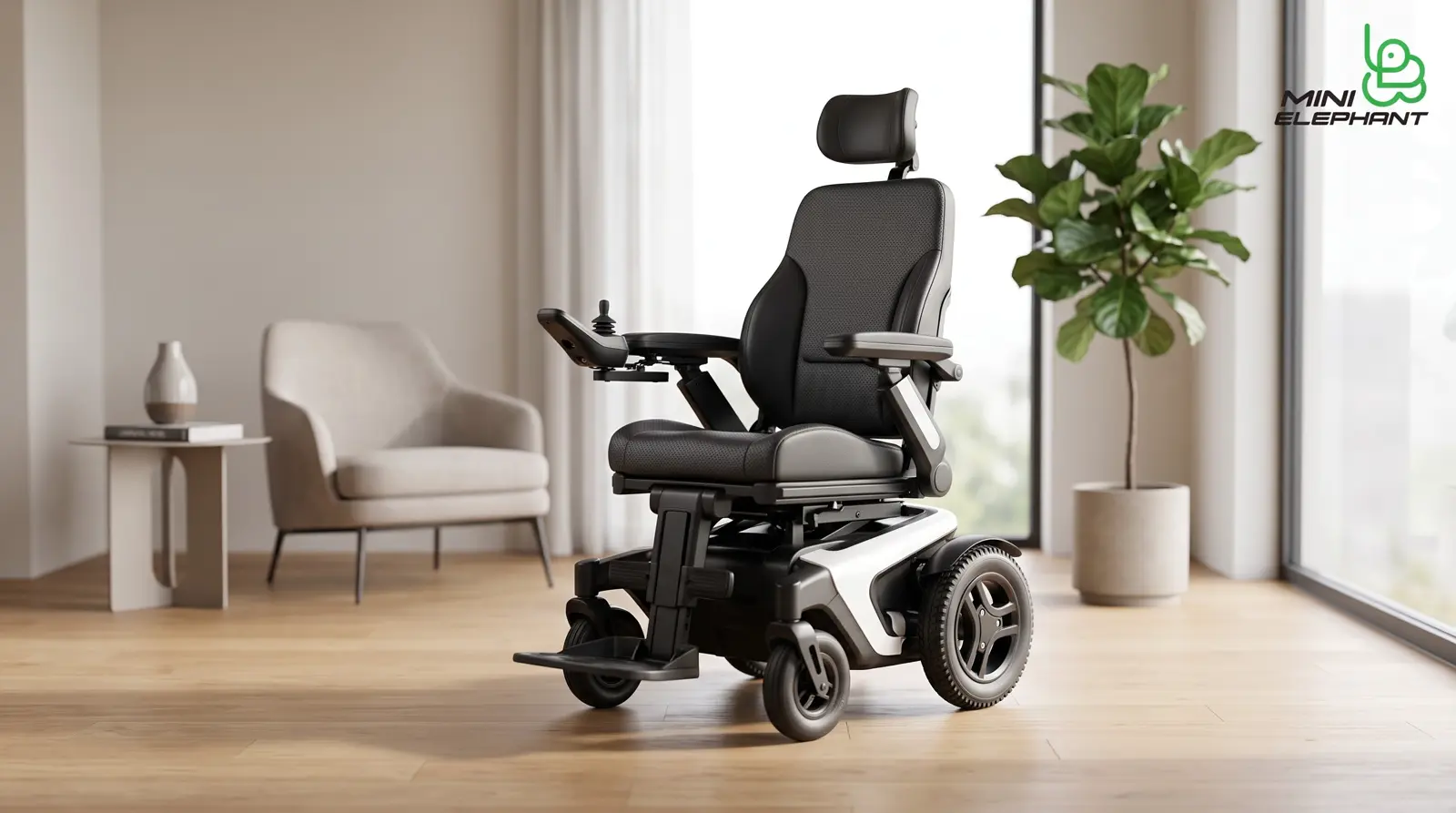
Electric Wheelchair for ALS Patients: A B2B Guide to Adaptive Mobility
Amyotrophic lateral sclerosis (ALS) — also called motor neurone disease — progressively weakens the muscles used for walking, sitting, reaching, and eventually breathing. A patient who drives a joystick confidently in January may lose hand function by summer, which means mobility equipment for this segment must adapt quickly and gracefully. This guide reviews the features an electric wheelchair needs for ALS patients — alternative controls, tilt-in-space seating, ventilator and oxygen mounting, and caregiver push mode — so B2B buyers can serve a small but loyal, insurance-funded segment with very low price sensitivity.
Background: Why ALS Patients Are a Distinct Electric Wheelchair Market
ALS affects an estimated 5 to 7 people per 100,000 worldwide, with several thousand new diagnoses each year in the United States alone and a growing number in Europe, Australia, and Asia. It is a progressive disease: most patients lose the ability to walk within two to three years of onset, and many require a powered wheelchair well before they lose hand control.
Three characteristics make ALS patients a distinctive B2B segment:
1. Fast-changing needs. A patient may need a standard joystick wheelchair first, then a head-array or switch control, then tilt-in-space seating — often within 18 months. A distributor that understands this upgrade path keeps the customer for the long term.
2. High willingness to pay. ALS care is frequently funded by government programs (Medicare in the US, NDIS in Australia, NHS in the UK) or by families prepared to pay for quality. Price sensitivity is low compared with the general electric wheelchair market.
3. Clinical involvement. Prescriptions, evaluations, and funding approvals involve occupational therapists and physiotherapists, so the sales cycle is longer — and the referrals are more durable — than in retail mobility.
The Seven Features That Define an ALS-Ready Electric Wheelchair
|---------|--------------------------------|
The control system is the make-or-break component. A wheelchair that can only be driven by joystick serves an ALS patient for months; a wheelchair that accepts a head array or single-switch input serves them for years. B2B buyers should confirm the controller is programmable and can be re-mounted as the patient's posture and function change.
Alternative Controls: Planning for the Decline of Hand Function
The majority of ALS patients lose fine hand control during the disease course, so the wheelchair must accept input methods beyond the joystick:
- Head-array controls. A head array with proximity sensors lets the patient drive by moving the head. It requires a stable headrest mount and works well with tilt-in-space seating.
- Sip-and-puff controls. The patient drives by sipping and puffing on a tube. This is the most reliable option for patients with no arm or head movement, though it requires practice and is not suitable for patients on non-invasive ventilation that uses the mouth.
- Single-switch scanning. One switch is pressed to scan through menu options. It is slow but works for patients with very limited movement — even a toe or a finger.
- Eye-gaze integration. Some advanced controllers accept eye-tracking input, which suits patients who retain eye movement until late stages.
B2B tip: Do not sell the wheelchair and the control system as a one-time purchase. Sell the platform — a programmable controller, adjustable mounting, and a compatible control range — so the patient's next evaluation can upgrade the input method without replacing the entire chair.
Tilt-in-Space and Positioning: The Clinical Core
ALS patients spend long hours in the chair and develop trunk weakness, head drop, and pressure risk. Positioning features are clinical necessities, not luxuries:
- Tilt-in-space redistributes pressure across the seat and backrest without shearing the skin. A tilt range of 35-45 degrees is the clinical benchmark.
- Recline with head support lets a caregiver change posture for feeding, resting, or breathing comfort without a transfer.
- Lateral trunk supports counter the leaning that trunk weakness causes.
- A pressure-relief cushion (gel or hybrid) is mandatory; patients with reduced sensation cannot shift their own weight to relieve pressure.
Ask the supplier for tilt and recline as standard configurations, not special-order options. For this segment, positioning features are what the therapist writes into the prescription.
Respiratory Equipment Mounting
Most ALS patients eventually use respiratory support — non-invasive ventilation, oxygen, or a ventilator. The wheelchair should accommodate that reality:
- Ventilator tray or mounting plate on the backrest or under the seat, sized for the patient's device.
- Oxygen tank holder with a secure strap and space that does not block transfers.
- Battery capacity for accessories. A ventilator draws power continuously; check whether the wheelchair battery or the ventilator's own battery powers it, and spec accordingly.
B2B tip: Ask the supplier for photos or drawings of ventilator-mounting configurations. A factory that has solved this problem can save your clinical team weeks of improvisation.
Caregiver Features and Transfers
ALS patients depend on caregivers for transfers, positioning, and increasingly for driving:
- Push mode with freewheel disengagement lets a caregiver move the chair safely when the patient cannot drive.
- Flip-back or removable armrests and swing-away footrests make lateral transfers easier and safer.
- Height-adjustable seating (where available) aligns the seat with bed and chair heights, reducing caregiver strain.
- Clear battery gauge and simple controls reduce caregiver confusion during daily setup.
Lightweight Construction: A Hidden Advantage
ALS families often transport the patient between home, clinic, and hospital appointments. A folding electric wheelchair under 50kg with tool-free folding is a practical advantage — it fits in a car trunk and can be lifted by one caregiver, which reduces dependence on wheelchair-accessible vans. Lightweight construction also reduces the physical effort of pushing in manual mode, which matters when the caregiver is the one pushing.
Model Selection Framework for B2B Buyers
1. Confirm controller programmability first. If the factory cannot support head-array, sip-and-puff, or switch input on the same controller platform, the model cannot grow with the patient.
2. Verify tilt-in-space availability. Tilt is the positioning feature therapists request most often for ALS patients; confirm it is a standard configuration with the load rating you need.
3. Check ventilator mounting options. Ask for the mounting hardware specification, not just verbal assurance.
4. Assess seat width and depth range. ALS patients can change body composition during the disease course; a model with width options and adjustable seat depth is safer to prescribe.
5. Request demo videos. A supplier who can show a patient using head-array or sip-and-puff control is far more credible than one who only provides spec sheets.
FAQ: Electric Wheelchair for ALS Patients
Q: Can an ALS patient use a standard joystick electric wheelchair?
A: In the early stages, yes. As hand function declines, the wheelchair needs programmable alternative controls — head array, sip-and-puff, or single-switch — which is why controller platform flexibility matters more than any other spec.
Q: Why is tilt-in-space important for ALS patients?
A: ALS patients spend long periods seated with limited ability to shift weight. Tilt-in-space redistributes pressure, relieves fatigue, and helps manage posture changes without transferring the patient, which reduces pressure injury risk and caregiver burden.
Q: Do ALS wheelchairs need to be lightweight?
A: Not always, but it helps. Families frequently transport patients between home and clinics, and a folding electric wheelchair under 50kg fits in a car trunk and can be lifted by one caregiver, reducing dependence on accessible vans.
Q: Is the ALS electric wheelchair market worth serving?
A: Yes, for distributors already serving clinical mobility. The segment is smaller than the general market, but it is funded, loyal, and low price-sensitivity — and one satisfied clinical referral chain generates repeat business for years.
The B2B Bottom Line
ALS patients need an electric wheelchair that can change with them: a programmable controller platform, alternative input methods, tilt-in-space positioning, respiratory equipment mounting, and caregiver features. Distributors who understand this upgrade path and work with factories that support it capture a clinical segment with durable referrals and low price sensitivity — and, more importantly, deliver a product that keeps working as the disease progresses.
**Building an adaptive mobility line for ALS and MND patients?** [Contact the MiniElephant export team](https://www.semwheelchair.com/contact) for controller platform specifications, tilt-in-space configurations, and ventilator-mounting options on the MiniRedone series for B2B partners.
Interested in MiniElephant Electric Wheelchairs?
Get a customized quotation and product recommendation from our export team. Response within 24 hours.