Electric Wheelchair for Parkinson's Disease: A B2B Guide to the PD Market
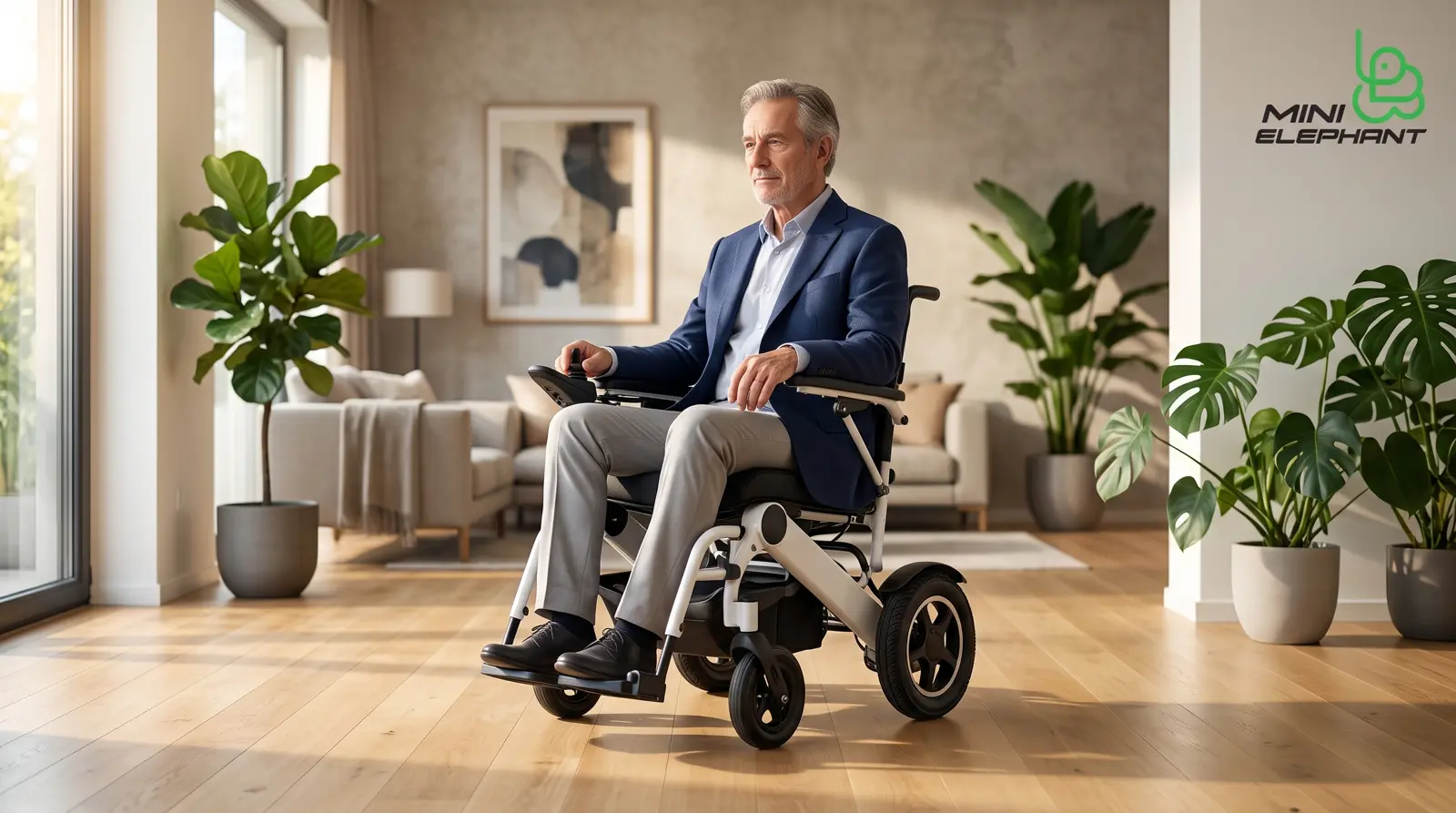
The Parkinson's Mobility Market: A Growing Opportunity
Parkinson's disease (PD) is the fastest-growing neurological condition in the world, affecting an estimated 10 million people globally — a number expected to double by 2040 as populations age. It is the second most common neurodegenerative disorder after Alzheimer's, with prevalence rising sharply after age 60.
Mobility impairment is central to Parkinson's: slowness of movement, rigidity, tremor, and balance problems progressively limit a person's ability to walk safely and independently. For B2B distributors, this creates a large and underserved market for electric wheelchairs — yet one that requires understanding PD-specific symptoms to recommend the right product.
Understanding the Parkinson's User Profile
|----------|----------------|------------------|
Key insight for distributors: Parkinson's is progressive — a patient who purchases a lightweight electric wheelchair today will likely need a more supportive model within 2-4 years. Early engagement with PD users and their families builds long-term customer relationships and repeat business.
PD Symptoms That Affect Wheelchair Selection
|---------|-----------------|------------------------|
The Freezing of Gait Consideration
Freezing of gait — a sudden, involuntary inability to move the feet despite wanting to walk — is one of the most dangerous PD symptoms. It commonly occurs when starting to walk, turning, or approaching doorways, and it is a leading cause of falls in Parkinson's patients.
For users who experience frequent freezing, an electric wheelchair is not a convenience; it is a safety solution. The joystick-driven movement bypasses the brain circuits affected by freezing, allowing the user to move reliably when walking becomes impossible. This is a powerful message for B2B distributors marketing to the PD segment.
Recommended Features for Parkinson's Users
1. Joystick Control with Tremor Dampening
Tremor is the most recognizable PD symptom, and it directly affects joystick operation. Look for:
- Controllers with tremor dampening or adjustable dead zones — the MiniRedone joystick offers programmable sensitivity that can be tuned by a distributor or therapist
- Hand strap or cuff options for users with grip instability
- Left or right hand configuration for asymmetric symptoms
- Large, high-contrast display for users with reduced fine motor control
2. Anti-Tilt Stability
Postural instability makes falls the greatest risk for PD users. Anti-tilt wheels tested on 15 degree slopes (exceeding ISO 7176 standards) prevent tipping during turns on uneven surfaces — critical for a user whose balance system is compromised.
3. Lightweight Design for Caregiver Transport
Many PD patients eventually rely on a spouse or adult child for transportation. A 42KG MiniRedone-II that one person can lift into a car trunk reduces caregiver strain — a key purchase factor, since family members are often the actual decision-makers.
4. Comfort for Extended Sitting
PD users may spend long periods seated due to fatigue:
- Pressure-relieving cushion for extended sitting
- High-back support (1200mm on MiniRedone-III) for posture
- Adjustable backrest and footrests to accommodate rigidity-related positioning needs
- Air spring suspension to absorb vibration that can worsen stiffness
5. Easy Entry and Exit
Rigidity makes transfers difficult. Flip-back armrests and swing-away footrests — standard on every MiniRedone model — allow side transfers without obstruction.
Market Opportunity for B2B Distributors
Target Channels
|---------|-------|----------|
Demographics and Funding
|--------|------------------------|------------------------------|
**Note for US distributors:** Medicare covers electric wheelchairs for beneficiaries who cannot operate a manual wheelchair. PD patients with freezing or severe bradykinesia often qualify. Registering as a DME provider opens this funded channel.
Marketing to the Parkinson's Segment
Language That Resonates
|-------|-------------|
Key Selling Points
1. Fall prevention — "Reduces fall risk when freezing episodes make walking unsafe"
2. Energy conservation — "Save your energy for the activities that matter"
3. Independence — "Move around your home and community without waiting for help"
4. Caregiver support — "Gives your family confidence that you are safe and mobile"
5. Adaptability — "Programmable controls that adjust as your symptoms change"
Recommended MiniRedone Models for PD Users
|----------------|------------------|-------------|
The B2B Bottom Line
Parkinson's is one of the fastest-growing mobility markets in the world, and it is significantly underserved by distributors who treat it as a generic elderly market. Users with PD have specific needs — tremor-compatible controls, anti-tilt stability, easy transfers, and caregiver-friendly portability — that a well-chosen electric wheelchair can directly address.
Distributors who understand the PD user journey, partner with neurologists and therapists, and stock models with programmable controls and strong stability features will capture a loyal, growing customer base.
**Learn more about serving the Parkinson's mobility market:** [www.semwheelchair.com/contact](https://www.semwheelchair.com/contact) — our export team provides clinical support documentation and product specification sheets tailored for the Parkinson's user segment.
Interested in MiniElephant Electric Wheelchairs?
Get a customized quotation and product recommendation from our export team. Response within 24 hours.