Electric Wheelchair Joystick Controller Ergonomics: B2B Guide
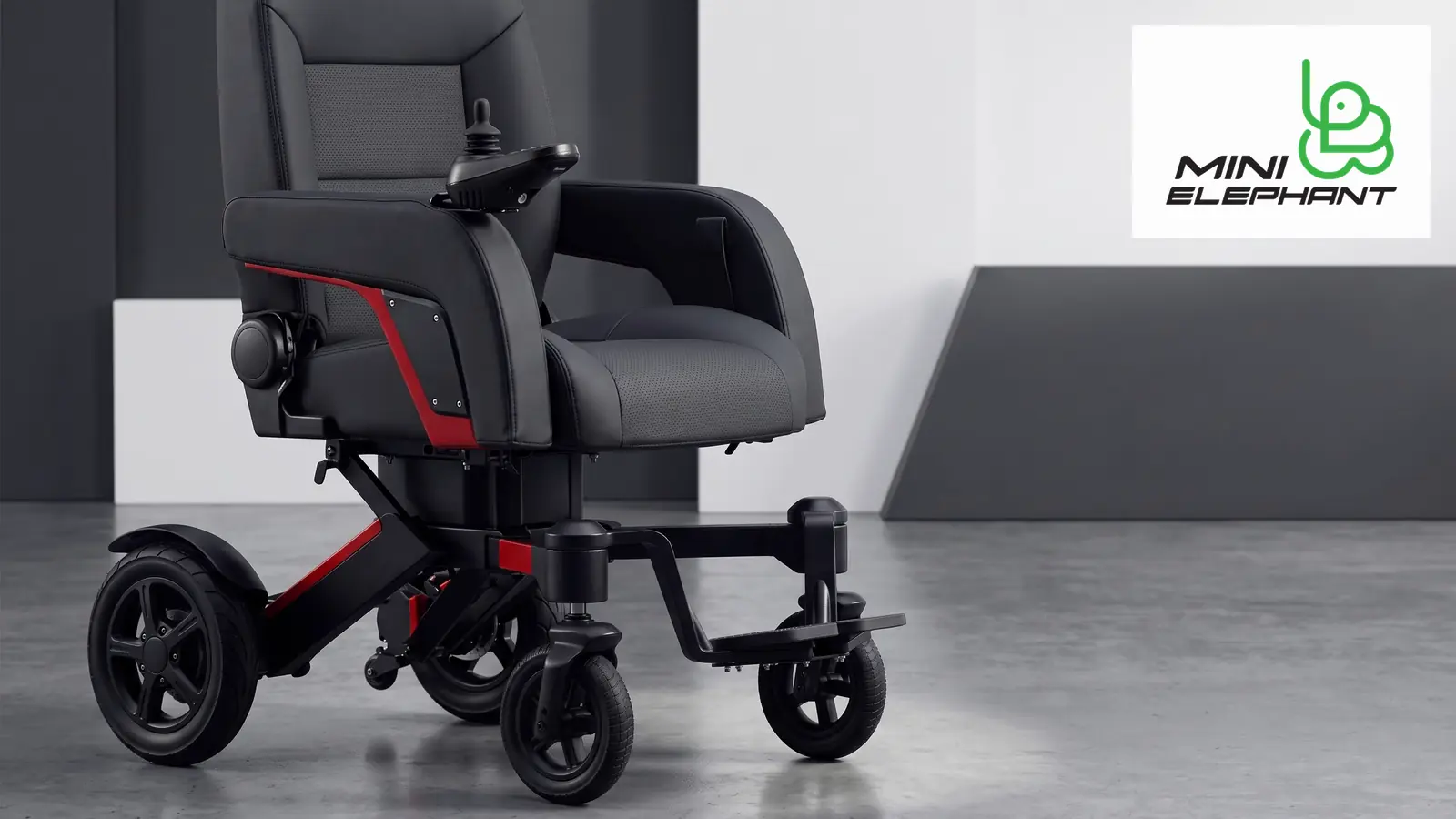
A joystick controller is only practical when its position, control response, mounting method, and visual feedback work with the completed electric wheelchair configuration. For B2B buyers, controller evaluation should focus on measurable interfaces and documented options rather than assuming one joystick position suits every user.
Controller Ergonomics Are a Configuration Question
An electric wheelchair controller affects steering, speed selection, power access, battery indication, attendant support, transfers, and daily service. Product images often show a standard armrest-mounted joystick, but the delivered arrangement can change with seat width, armrest style, seat height, backrest, tray, swing-away hardware, left- or right-hand placement, or approved alternative controls.
Dealers and importers should treat the controller as a configuration-controlled component. Record the controller family, mounting bracket, cable routing, side of installation, display type, and approved accessory interfaces. This makes sample approval and later service more reliable.
Individual control needs can be complex. Product selection should remain within the manufacturer instructions and involve qualified local professionals whenever individual assessment, clinical suitability, or support needs are relevant. This article is a commercial product-evaluation guide, not clinical advice.
Five Checks for a Joystick Controller Review
A useful sample review examines the controller on the actual electric wheelchair, with the intended seat and armrest configuration fitted:
1. Reach: Can the user or evaluator reach the joystick and buttons without an awkward extension, obstruction, or change to the approved seating position?
2. Position: Is the controller height, fore-aft location, and lateral offset documented and repeatable for the selected configuration?
3. Operation: Are joystick movement, buttons, display, and speed controls accessible and understandable under the manual's stated conditions?
4. Integration: Does the controller interfere with transfers, armrest movement, trays, folding, transport, charging access, or attendant controls?
5. Serviceability: Are the controller, bracket, cable, connectors, and protective parts available as documented replacements?
Do not reduce this review to a single "easy to use" score. Keep written observations, measurements, and photos alongside any comparison score.
Compare Mounting Approaches Before You Buy
A fixed armrest mount is common because it can be stable and easy to specify. For some product ranges, an adjustable or swing-away mount may improve access or transfers when it is a documented option. An attendant control can be useful in selected configurations, but it introduces another training and service interface. Each arrangement carries different risks for cable routing, impact damage, packaging, and replacement parts.
| --- | --- | --- |
Sample Testing With Observable Conditions
During a sample review, measure the distance from the front of the seat and armrest edge to the joystick centerline. Record seat width, armrest height, cushion thickness, back angle, footrest arrangement, and controller side. Photograph the installation from above and from the side. These details let a buyer compare samples meaningfully and repeat the approved setup on later orders.
With the electric wheelchair operated only in an appropriate controlled setting and within the manual's limits, verify that the controller remains secure during normal low-speed movement, stopping, and turning. Check that the display can be read in ordinary lighting and that buttons can be identified without obstructing the joystick. Inspect whether cables are protected from pinch points at armrest pivots, folding joints, seat adjustments, and transport interfaces.
Do not alter joystick sensitivity, braking behavior, speed settings, or controller programming without authorization from the manufacturer or qualified service process. A difference in response may reflect programming, battery condition, load, terrain, or another system variable, not the physical controller alone.
B2B RFQ and Quality-Control Checklist
Add controller questions to the RFQ rather than resolving them after shipment. Request the standard controller specification, left/right mounting availability, bracket options, display and button functions, charger-port location, cable routing drawings, spare-part numbers, and programming or diagnostic access policy.
Before approving production, confirm that the controller model and mounting side match the purchase order; the armrest, seat, and accessory combination match the approved configuration; the controller cable has the specified routing and protection; and the joystick, buttons, display, charger connection, and power control show normal function in the prescribed inspection. Packaging should protect the controller and bracket from shipping impact.
When comparing two electric wheelchair controllers, score the same factors: reach adjustment, mount stability, display clarity, control labeling, cable protection, service parts, documentation quality, and compatibility with the intended product range. A basic controller with clear records and strong replacement support may be a better B2B choice than a feature-rich unit with unclear configuration control.
Interested in MiniElephant Electric Wheelchairs?
Get a customized quotation and product recommendation from our export team. Response within 24 hours.