Electric Wheelchair Posture Support Buying Guide for B2B Buyers
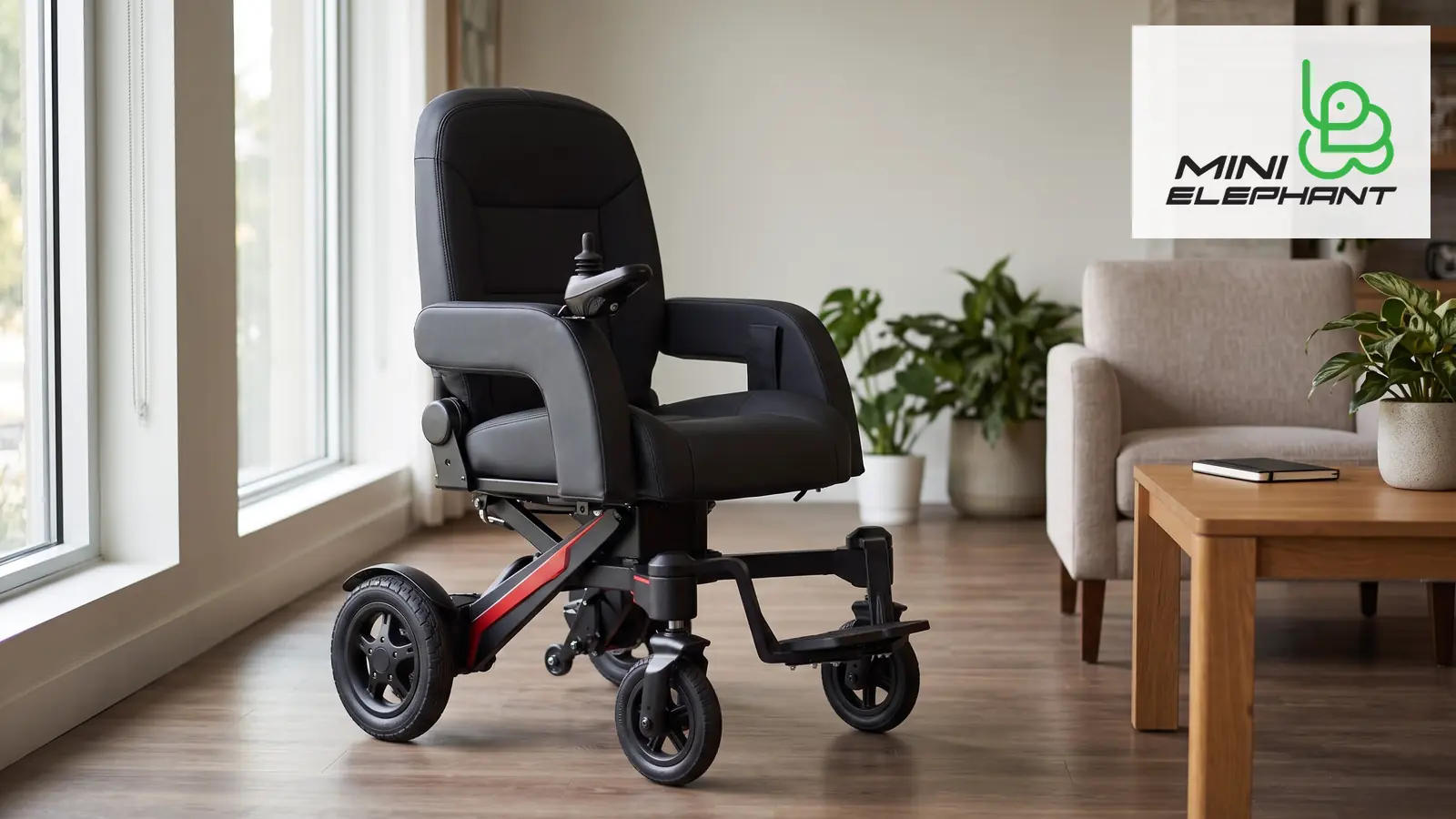
The practical way to evaluate electric wheelchair posture support is to approve a documented seating configuration—not to rely on a generic promise of comfort. For B2B buyers, the record should connect the exact model, seat, backrest, armrests, footrests, adjustment positions, product documents, and approved sample photographs.
An electric wheelchair can look similar in a catalogue while having different seating dimensions, upholstery, support surfaces, armrest positions, footrest hardware, or optional accessories. Those details affect the commercial configuration a distributor, importer, or OEM/ODM partner is reviewing. They do not establish a universal fit, a therapeutic benefit, or individual suitability. Users should follow the manufacturer’s current instructions and seek appropriate local professional guidance where needed.
What Does Posture Support Mean in an Electric Wheelchair Purchase?
In an electric wheelchair procurement discussion, posture support is a configuration-review subject. It describes the contact areas and adjustment features that help define how the supplied unit is specified: the seat surface, backrest, armrests, footrests, cushions, and any supplier-documented positioning options.
The buyer’s objective is not to declare one electric wheelchair “best” for every person. It is to make the quoted configuration traceable. A good RFQ should identify the exact model or SKU, frame revision, seat width and depth if documented for that configuration, backrest type, armrest arrangement, footrest style, upholstery, accessories, and the documents that apply to the approved sample.
Electric Wheelchair Configuration Checklist Before Sample Approval
Use the following checklist to turn a broad comfort request into an auditable electric wheelchair specification.
| --- | --- | --- |
This electric wheelchair checklist is purchasing guidance, not a clinical assessment. Do not assume a measurement, accessory, or visible feature is suitable for every end user. The importer remains responsible for applicable local market-entry requirements, while the manufacturer should be asked to clarify the documented configuration of its own product.
1. Review the Electric Wheelchair Seat as a Defined Component
The seat is the first contact area many buyers inspect, but “comfortable seat” is too vague for an electric wheelchair quotation. Request a clear description of the supplied seat construction, cover material, fastening method, and any documented options. If the manufacturer publishes seat dimensions for the exact configuration, preserve those values in the approval record rather than copying dimensions from another model or old brochure.
For an electric wheelchair sample, take front, side, and folded-position photographs where relevant. Record whether a cushion is included, optional, or excluded. If a distributor plans to add a local accessory, keep that commercial decision separate from the factory configuration and confirm it does not conflict with current manufacturer instructions.
2. Compare Backrest and Armrest Details Without Overclaiming
A backrest can differ in material, height, shape, tensioning approach, folding relationship, or accessory compatibility. An electric wheelchair buyer should request photographs that show the rear frame, backrest attachment, armrest hinge or mount, and any visible adjustment points. Ask the supplier which details are standard for the quoted unit and which are options.
Armrests also deserve a line item in the electric wheelchair configuration sheet. Fixed, lift-up, removable, padded, and height-adjustable descriptions may have different packing, assembly, spare-parts, and demonstration implications. Only use a feature name when it is documented for the selected model. Avoid turning an armrest description into an unsupported promise about transfers, pressure management, medical outcomes, or ease of use for every customer.
3. Specify Footrests and Leg-Support Hardware Precisely
Footrests are often shown in product images but left vague in an RFQ. For an electric wheelchair order, identify the footrest style, attachment method, visible adjustment interfaces, surface finish, folding relationship, and whether the part is installed or packed separately. If the supplier documents swing-away, removable, elevating, or other functionality for the exact unit, include the controlled wording and relevant manual reference in the sample file.
The same discipline helps an electric wheelchair distributor prepare training and after-sales materials. A warehouse team can check whether the expected assembly is present; a dealer can compare the delivered unit against approved photographs; and a service team can request the right component reference rather than guessing from an image.
4. Use an Approved Electric Wheelchair Sample Record
The strongest posture-support control is an approved sample record. It should include the electric wheelchair model, production revision where available, options, dated photographs, visible seating components, configuration documents, known open questions, and buyer approval notes. Keep the record with the quotation and purchase specification.
If a change is proposed after approval—for example, a different seat cover, armrest mount, footrest supplier, or accessory—use written change control. The manufacturer can explain the revised product configuration; the buyer can decide whether a new photograph, sample review, document update, or inspection point is needed. Do not rely on a casual message or a generic catalogue image to replace the approved electric wheelchair reference.
A Four-Stage Electric Wheelchair Buying Workflow
1. RFQ stage: Ask for the exact electric wheelchair model, configuration sheet, current manual, clear seating photographs, option list, and the supplier contact for technical clarification.
2. Sample stage: Create an approval sheet showing the seat, backrest, armrests, footrests, accessories, folded condition where relevant, documents received, and unresolved questions.
3. Pre-shipment stage: Request agreed evidence that the ordered electric wheelchair matches the approved record. Sampling scope, acceptance thresholds, remedies, costs, and timing should be agreed in the purchase contract rather than inferred from this article.
4. Receiving and service stage: Check model identity, visible configuration, accessories, packing protection, document version, and parts references against the record. Segregate uncertain units or components and use the supplier’s documented support route.
This workflow gives purchasing, inspection, warehouse, sales, and after-sales teams a shared electric wheelchair reference. It is more useful than a broad comfort claim because it clarifies what was actually selected and what evidence should accompany it.
MiniElephant and a Clearer Configuration Enquiry
MiniElephant is one supplier option for buyers reviewing folding electric wheelchair configurations. A useful enquiry should name the MiniRedone model of interest and request current product documents, the quoted seating and footrest configuration, available option information, and sample photographs. That keeps the discussion factual and model-specific.
The decision-ready outcome is a written electric wheelchair configuration record that connects the approved sample to the delivered unit. It helps buyers compare options without claiming that a single setup is right for all users or markets.
FAQ: Electric Wheelchair Posture Support Buying Questions
What should a B2B buyer ask about electric wheelchair seating?
Ask for the exact model, supplied seat and backrest description, armrest and footrest configuration, listed accessories, current product documents, sample photographs, and any options documented for the quoted unit. Keep the answer tied to the actual electric wheelchair configuration.
Can a distributor describe an electric wheelchair as medically supportive?
Only use claims that are documented, applicable, and reviewed for the destination market. This buying guide does not establish therapeutic, clinical, or universal comfort claims. Product documentation and local requirements remain the relevant sources.
Why are sample photographs important for an electric wheelchair order?
They show the visible configuration that purchasing and inspection teams approved. Combined with the quotation, configuration sheet, and manufacturer documents, electric wheelchair photographs help identify unrecorded substitutions or missing components.
Should seating accessories be included in the base quotation?
List each accessory separately unless the supplier documents it as part of the selected electric wheelchair configuration. This makes comparison, packing, receiving, and future parts planning clearer.
Interested in MiniElephant Electric Wheelchairs?
Get a customized quotation and product recommendation from our export team. Response within 24 hours.