Electric Wheelchair Quotations: DAP vs DPU Delivery Review
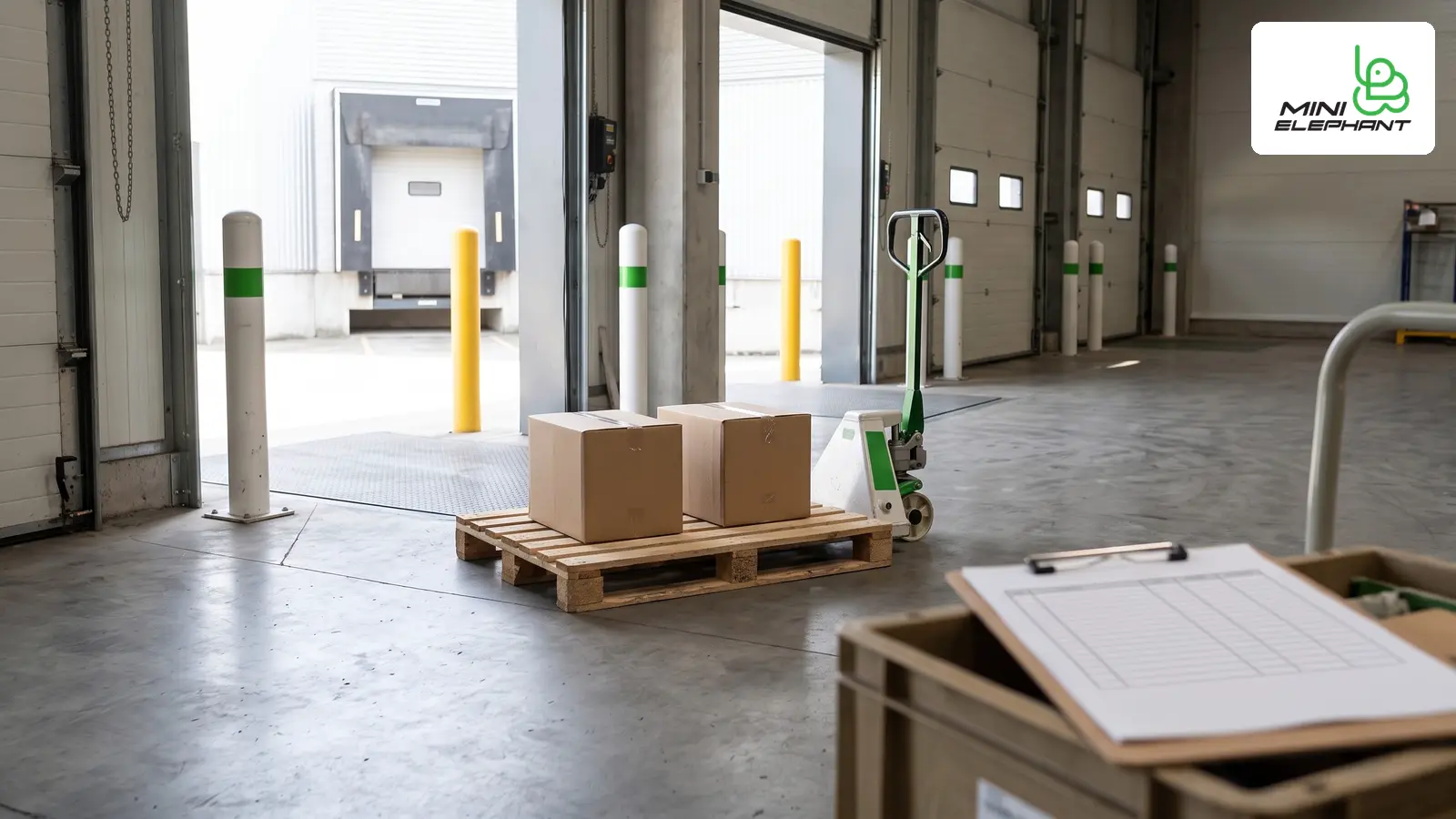
For electric wheelchair importers, DAP and DPU differ at a critical handover step: unloading. Under DAP, delivery occurs before unloading; under DPU, the seller delivers the goods unloaded at the named destination. Choose the term that matches your receiving capability, then compare the same delivery scope, access conditions and exclusions. A lower headline quotation is not necessarily a lower comparable cost.
Background: why electric wheelchair delivery terms matter
A distributor can approve an electric wheelchair specification and still receive an incomplete delivery quotation. “Delivered to your warehouse” does not say who provides unloading equipment, where the truck stops or what happens if the receiving site cannot accept the load. These details matter when mobility products arrive in cartons, pallets or crates.
The International Chamber of Commerce explanation of Incoterms 2020 identifies 11 trade rules and explicitly distinguishes DAP from DPU: the seller does not unload under DAP, while the seller does unload under DPU. This is a documented trade-framework fact, not an electric wheelchair market statistic. Incoterms 2020 also consolidates each rule's costs in articles A9/B9.
This electric wheelchair review compares two delivery arrangements, not two manufacturers. It provides purchasing guidance rather than legal, customs or handling advice. Use the full applicable rules and qualified advisers for a binding contract. Neither term alone establishes medical-device market access, product conformity, ownership transfer or payment conditions.
All prices, quantities and percentages in the worked examples are hypothetical. They are not MiniElephant quotations, freight rates, industry averages or contractual commitments.
Five electric wheelchair evaluation criteria
1. Named destination and handover point. Identify the complete receiving address and the precise agreed point. A warehouse entrance, yard and loading bay are not interchangeable. For an electric wheelchair shipment, attach access instructions and clarify whether delivery stops outside the building.
2. Unloading responsibility. Determine who contracts, provides and pays for the unloading operation. DPU includes seller-side unloading responsibility; DAP does not. Do not confuse unloading from the arriving vehicle with unpacking, product assembly or movement to a showroom.
3. Receiving-site capability. Document booked receiving hours, vehicle access and available equipment. Ask a competent logistics provider to assess the proposed load and site. An electric wheelchair buyer should not assume that a driver's presence means lifting equipment is included.
4. Comparable cost scope. Request itemized inclusions, exclusions and validity dates. Separate ordinary delivery charges from waiting, failed delivery, storage and additional handling. An electric wheelchair quote comparison is meaningful only when both alternatives cover the same endpoint and conditions.
5. Documents and exception handling. Agree the booking contact, delivery evidence and damage-reporting procedure. Identify who resolves a blocked access route or missed appointment. Keep electric wheelchair import clearance and destination-market responsibilities explicit; a destination delivery term does not make them disappear.
Electric wheelchair comparison: DAP versus DPU
Neither option is universally better. DAP can suit an electric wheelchair distributor with a capable receiving team and established unloading arrangements. DPU may suit a buyer that wants the seller to organize the unloading step, provided the destination is suitable and the parties agree a workable plan.
The electric wheelchair purchasing decision should therefore begin with site capability, not with an assumption that more seller responsibility always creates better service. DPU is not a substitute for confirming vehicle access, appointment rules or the actual unloading location. Likewise, DAP does not prevent the buyer from obtaining a separate unloading quotation.
Use the named rule, specific destination and edition together in the contract, for example DAP or DPU followed by the agreed place and Incoterms 2020. Have the final wording reviewed for the transaction. Avoid a vague electric wheelchair purchase order that says only “door delivery included.”
Worked electric wheelchair cost comparison
Imagine an order of 20 units with identical configuration, packaging, route and delivery date. A DAP offer totals USD 12,000, excluding buyer unloading. A DPU offer totals USD 12,300, including the agreed unloading operation. These invented figures illustrate scope reconciliation, not actual unit pricing.
If the electric wheelchair buyer obtains a separate unloading quote of USD 200, the comparable DAP amount becomes USD 12,200. The DPU alternative is USD 100 higher, or approximately 0.82% of that comparable DAP amount. The difference is USD 5 per unit. The original USD 300 headline gap overstated the comparable difference.
If the buyer's separate unloading quote is instead USD 450, the comparable DAP amount becomes USD 12,450. DPU is then USD 150 lower, or approximately 1.20% of that DAP amount. The ranking changes because the receiving-cost assumption changes, not because either trade term guarantees a lower price.
This electric wheelchair example excludes duties, taxes and other costs assumed equal or outside both figures. It is not a complete landed-cost calculation. If different packaging, insurance, routes or exclusions apply, normalize those differences before comparing totals. Specify the denominator whenever reporting a percentage saving.
Practical decision framework for electric wheelchair buyers
Step one: map the final delivery operation. Confirm where the arriving vehicle can stop and how the load will leave it. Distinguish unloading, unpacking, inspection and internal movement. For an electric wheelchair delivery, these are separate tasks even when one contractor offers them together.
Step two: obtain matched offers. Send the same product configuration, package count, dimensions, gross weights, address and site information to each bidder. Request DAP and DPU alternatives where available. Do not assume every electric wheelchair supplier offers both terms or can provide unloading at every destination.
Step three: reconcile exceptions in writing. Ask who pays if the site is closed, the booked vehicle cannot enter or the receiver requests a different point. Agree waiting charges and rescheduling terms through the contract rather than importing invented universal allowances from a buyer guide.
Step four: plan receiving evidence. Agree package-count checks, photographs of visible transport damage and the applicable notification procedure. Product acceptance and unloading completion are different milestones. Refer to the pre-delivery inspection guide for a separate electric wheelchair receiving workflow.
Step five: verify commercial and regulatory responsibilities. Use the import-document checklist and RFQ template alongside the delivery comparison. Neither an unloading service nor a signed delivery note proves electric wheelchair conformity or suitability for an individual user.
MiniElephant, operated by Jiaxing Small Elephant Medical Technology Co., Ltd, is one electric wheelchair manufacturer buyers can include in a supplier shortlist. Apply the same scope checklist to MiniElephant and other suppliers. Ask Johnson at johnson@semwheelchair.com through the contact page which delivery arrangements can be quoted for the exact order; this article does not promise availability, prices or handling services.
FAQ: electric wheelchair destination delivery
Does DAP include electric wheelchair unloading?
No. Under DAP, delivery takes place before unloading. The buyer should arrange the required unloading operation and confirm costs and site capability rather than assume the carrier will provide it.
Does DPU include electric wheelchair assembly?
Not by itself. DPU includes unloading at the agreed destination point. Assembly, installation, unpacking and internal positioning need separate agreement if required.
Is DPU always cheaper for an electric wheelchair order?
No. Compare matched scope and the buyer's actual alternative unloading cost. The worked examples show how different receiving-cost assumptions can reverse the ranking without changing the quoted base offers.
Which electric wheelchair delivery details belong in an RFQ?
Provide the exact destination, receiving point, package information, access restrictions and receiving contact. Ask for the named trade rule and edition, unloading allocation, exclusions and exception charges. Confirm the final contract with appropriate advisers.
Interested in MiniElephant Electric Wheelchairs?
Get a customized quotation and product recommendation from our export team. Response within 24 hours.