Electric Wheelchair Seat Cushions: B2B Comparison and Review
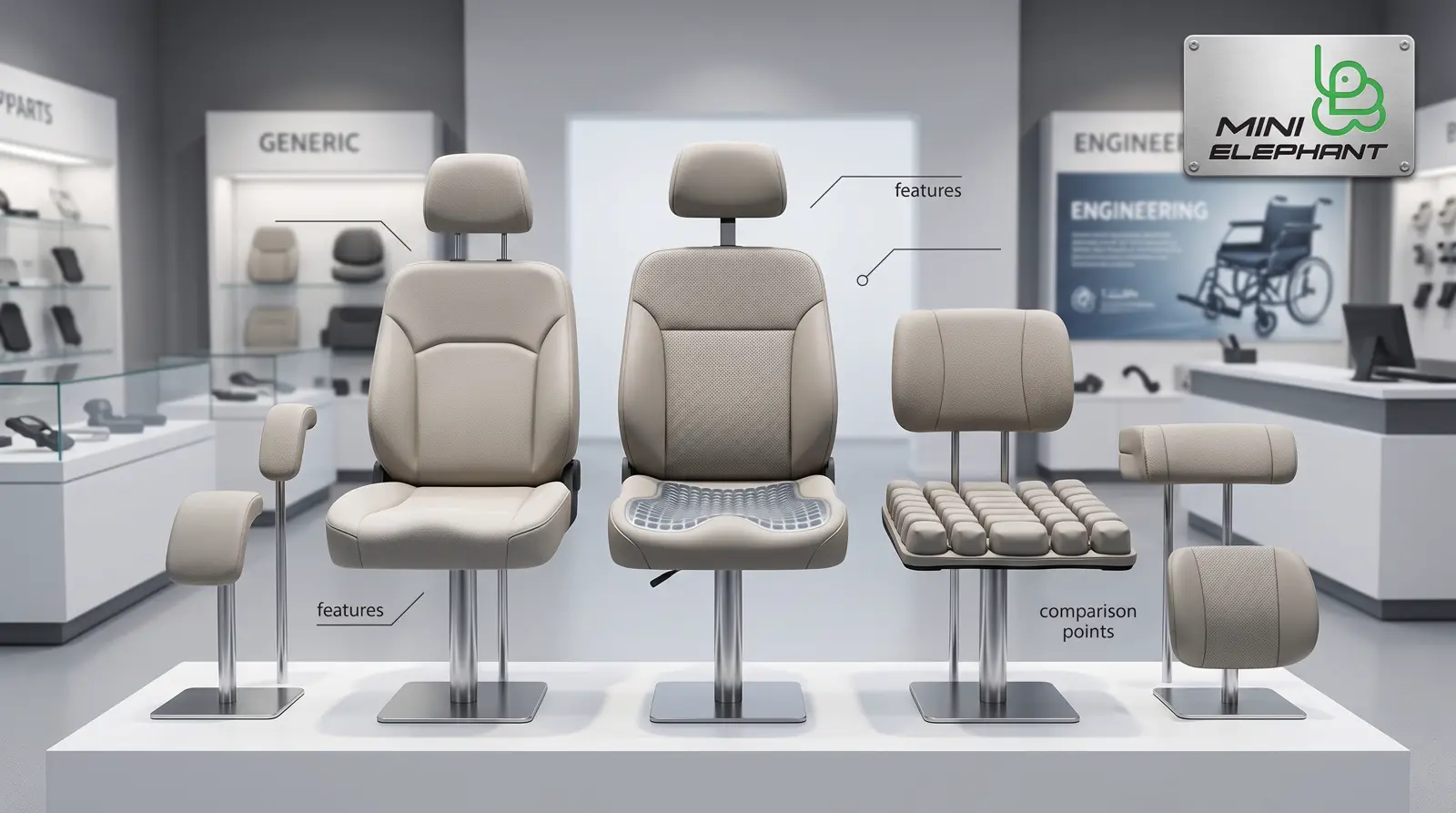
The practical conclusion: there is no universally best electric wheelchair seat cushion. For B2B buyers, the right choice is the cushion that matches the seating dimensions, user profile, chair geometry, cleaning routine, and service plan documented for the exact electric wheelchair configuration. A thicker cushion may improve comfort for one user while reducing usable seat depth or changing control access for another.
Background: Why Seat Cushions Matter in Electric Wheelchair Reviews
A seat cushion is a working component of an electric wheelchair, not just a soft accessory. It influences sitting height, pelvic stability, pressure distribution, transfer height, cleaning, packaging, and the relationship between the user and the controller. These effects are easy to miss when a buying team compares product photos or a single catalogue specification.
For importers and mobility dealers, the review should begin with the intended application. An indoor-focused electric wheelchair may prioritize a simple, washable cushion and consistent seat height. A mixed-use model may need a more structured cushion, a removable cover, or a documented option for a different seating package. The decision should remain within the manufacturer’s instructions and, where individual seating or clinical needs are involved, qualified local professional advice.
This is a commercial purchasing framework, not medical advice, legal advice, or a destination-market approval guarantee. Market-entry responsibilities remain with the importer and applicable local advisers.
Five Evaluation Criteria for an Electric Wheelchair Cushion
Use the following criteria when comparing an electric wheelchair seat cushion or requesting samples:
1. Fit: Does the cushion match the seat width, seat depth, back angle, armrest height, and footrest position?
2. Support: Does its construction provide the intended level of stability and comfort without changing the approved seating geometry unexpectedly?
3. Surface and cover: Can the cover be removed, cleaned, replaced, and identified by part number?
4. Integration: Does the cushion affect controller reach, transfer clearance, folding, battery access, or the chair’s center of gravity?
5. Serviceability: Can the dealer obtain replacement covers, foam or molded parts, and clear installation instructions for the exact electric wheelchair model?
A useful electric wheelchair comparison uses the same dimensions and test conditions for every candidate. Do not rank cushions by thickness alone.
Main Comparison: Common Cushion Approaches
| --- | --- | --- |
These categories are not a quality ranking. A straightforward flat cushion may be the most suitable option for a compact electric wheelchair program when the specification, cover, and service process are clear. A more complex cushion can create additional training and parts requirements.
Check the Geometry on the Actual Electric Wheelchair
The same cushion can behave differently when installed on different frames. During a sample review, measure the cushion width, depth, height, front edge, rear edge, and any contour or wedge. Record the measurement method and whether the cover is fitted. Then install it on the exact electric wheelchair configuration planned for production.
Check at least these interfaces:
- Backrest: The cushion must meet the back support without creating an unintended gap or pushing the user too far forward.
- Armrests: A change in seat height can alter forearm position and controller access.
- Footrests: Seat depth and height can affect leg support and footplate position.
- Controller: Confirm that the joystick remains reachable and that the mounting bracket is not obstructed.
- Folding or transport: On a folding electric wheelchair, verify that the cushion stays attached, can be removed as instructed, or does not prevent the approved folding sequence.
- Battery and service access: Check whether the cushion blocks a battery enclosure, charging port, or routine inspection point.
Photograph the installed configuration from the front, side, and rear. These records are more useful than a cushion photograph taken away from the chair.
Compare Materials, Cover Construction, and Cleaning
Ask the supplier to identify the cushion materials and cover construction for the selected electric wheelchair. Buyers should know whether the cover is woven, coated, waterproof-treated, breathable, zipped, hook-and-loop secured, or otherwise specified. Avoid converting a material description into a medical or hygiene guarantee that the supplier has not documented.
A practical inspection can include five observable checks: seam consistency, zipper or closure operation, cover fit, underside grip, and resistance to ordinary handling. If the product is intended for a dealer fleet or care environment, request the approved cleaning method and replacement-cover part number. Do not recommend disinfectants, heat, soaking, or machine washing unless the care instructions permit them.
For a product line with several seat widths, maintain a configuration table linking each cushion size to the electric wheelchair model, seat frame, cover code, and compatible accessories. This reduces the chance that a dealer ships a visually similar but unsuitable replacement.
Functional Review: Comfort Claims Need Test Conditions
Comfort is subjective, so a reviewer should separate observations from claims. Ask who evaluated the sample, what configuration was fitted, how long the trial lasted, and what clothing, seat angle, user weight, and surface conditions applied. A short showroom impression is not evidence that a cushion suits every user.
During an electric wheelchair sample review, record whether the cushion shifts, bunches, compresses unevenly, or interferes with transfers during normal operation. Check low-speed movement, stopping, turning, and the approved folding or storage sequence. Do not conduct unsafe tests or exceed the manual’s load and operating limits.
For a distributor comparison, score each candidate from 1 to 5 against the same written criteria, but keep the raw observations alongside the score. A numerical score makes a meeting easier; it does not replace a specification or professional seating assessment.
Purchasing and Quality-Control Checklist
Before approving an electric wheelchair cushion for a wholesale program, document:
1. The exact model, seat width, seat depth, frame revision, and cushion code.
2. Cushion dimensions and the measurement method.
3. Material description, cover construction, cleaning instructions, and replacement parts.
4. Compatibility with armrests, footrests, controller position, backrest, folding, and service access.
5. Sample photographs and written findings from the installed configuration.
6. Packaging protection and labels for the cushion supplied with each electric wheelchair.
7. The change-control process if foam, cover, dimensions, or supplier changes are proposed.
At pre-shipment inspection, sample the agreed configurations rather than checking only an unpacked cushion. Confirm dimensions, cover fit, visible finish, labels, accessories, and installation against the approved record. If the cushion is a user-specific option, state that the importer or qualified local professional must confirm suitability before sale.
Practical Decision Framework for Dealers
Use this four-step process:
Step 1: Define the use case. Identify indoor, outdoor, fleet, care, retail, folding, or transport priorities for the electric wheelchair range.
Step 2: Freeze the geometry. Approve seat dimensions, backrest arrangement, armrests, footrests, controller position, and cushion together—not one at a time.
Step 3: Test and document. Review the installed sample under safe, repeatable conditions and capture measurable findings, photos, and open questions.
Step 4: Plan support. Confirm replacement covers, cushion parts, cleaning guidance, fitting instructions, and the contact path for configuration questions.
MiniElephant is one supplier option that B2B buyers may evaluate alongside other manufacturers. The relevant next step is to request the exact product specification and compare the complete electric wheelchair configuration, not just a cushion photograph or a headline comfort claim. A documented electric wheelchair cushion comparison gives the dealer a clearer basis for approval and after-sales support. Contact the MiniElephant export team for configuration and quotation discussions.
FAQ: Electric Wheelchair Seat Cushion Comparison
Is a thicker cushion always better? No. Thickness can change seat height, controller access, footrest position, transfer height, and folding clearance. Compare the installed geometry and the manufacturer’s approved configuration.
What should an importer ask for first? Request the cushion code, dimensions, materials, cover-care instructions, compatible electric wheelchair models, replacement-part information, and a sample fitted to the intended chair.
Can a dealer substitute a cushion from another model? Not without confirmation. Similar dimensions do not prove compatibility with the seat frame, backrest, controls, safety-related geometry, or folding mechanism.
How should comfort be compared? Use the same chair configuration, written criteria, test conditions, and observation record. Individual seating needs should be assessed by an appropriately qualified local professional.
What belongs in the purchase specification? State the model and revision, seat dimensions, cushion type and code, materials, cover, accessories, packaging, inspection points, and written change-control process.
Interested in MiniElephant Electric Wheelchairs?
Get a customized quotation and product recommendation from our export team. Response within 24 hours.