Electric Wheelchair Market in Middle East and Africa 2026: Growth, Trends and B2B Import Opportunities
The MEA Electric Wheelchair Opportunity
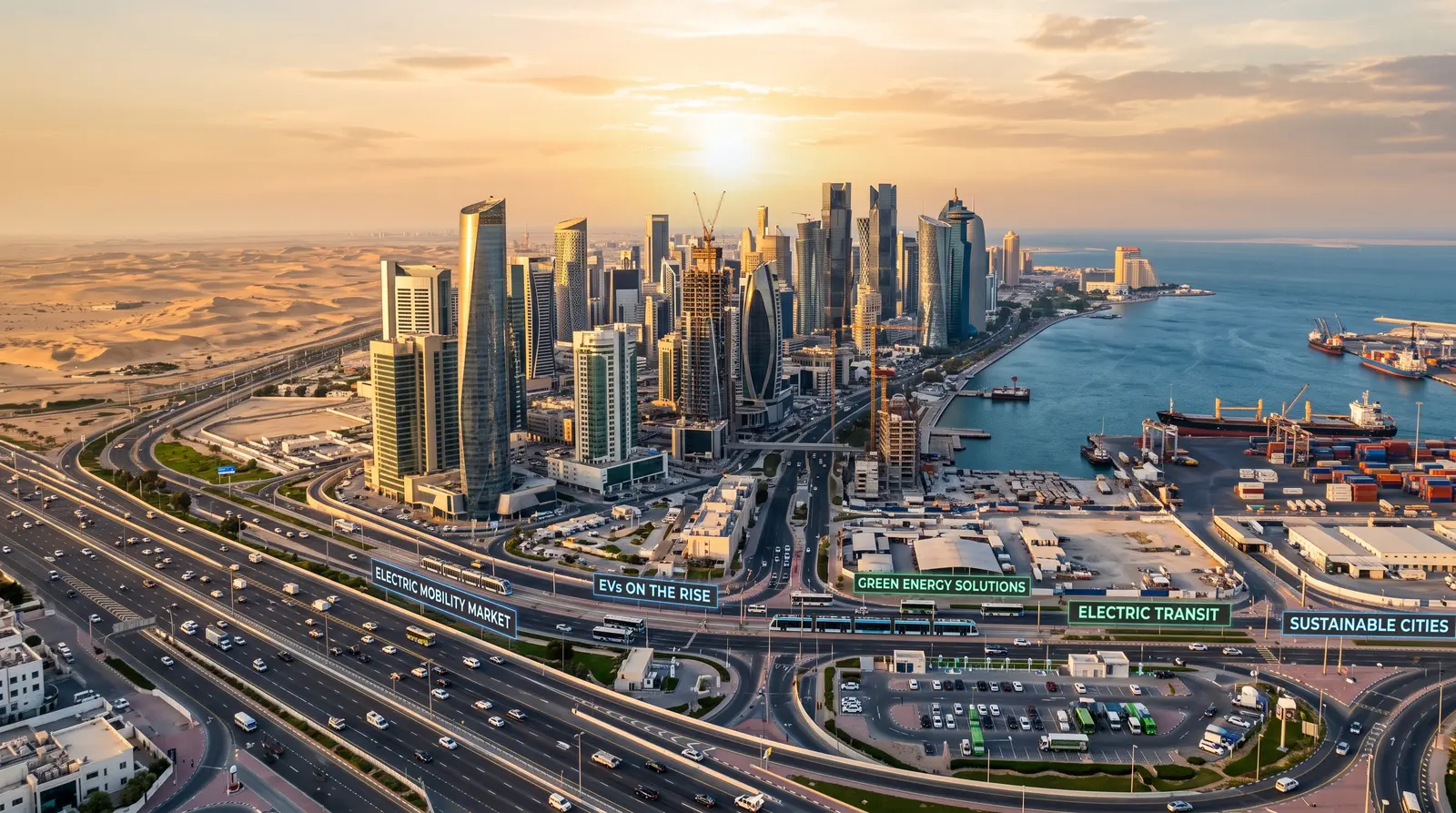
The Middle East and Africa (MEA) region presents one of the fastest-growing opportunities for B2B electric wheelchair importers in 2026. With improving healthcare infrastructure, expanding government mobility programs, and rising awareness of disability rights, demand for powered mobility solutions is increasing across both regions.
Market Size by Key Countries
|---------|------------------------|-------------------|----------------------|
Middle East Market Dynamics
GCC Countries (UAE, Saudi Arabia, Qatar, Kuwait, Oman, Bahrain):
The Gulf Cooperation Council countries represent the most mature mobility aid market in the MEA region:
- High per-capita healthcare spending — GCC governments invest heavily in healthcare infrastructure, including mobility aids for elderly and disabled citizens
- Medical tourism drives demand — Dubai and Abu Dhabi attract international patients who require temporary and long-term mobility solutions
- Regulatory framework tightening — Saudi Arabia's SFDA now requires medical device registration for electric wheelchairs, favoring suppliers with full certification packages
- Premium segment dominates — End users in the GCC prefer high-quality, feature-rich products over budget alternatives
Key insight for B2B importers: Saudi Arabia's Vision 2030 program has allocated significant budget to healthcare modernization. Suppliers with ISO 13485, CE, and SFDA-ready documentation have a clear advantage in government tenders.
Africa Market Dynamics
Sub-Saharan Africa (led by South Africa, Nigeria, Kenya):
The African market is at an earlier stage of development but growing rapidly:
- South Africa — The most established market with a robust disability rights legal framework. The Department of Health and provincial health departments issue regular tenders for wheelchairs.
- Nigeria — Limited local manufacturing means high import dependency. A growing middle class is driving demand for personal mobility devices, though price sensitivity remains high.
- East Africa (Kenya, Uganda, Tanzania) — Increasing focus on universal health coverage and disability inclusion creates opportunities for NGO and government-funded procurement programs.
|--------|--------------|-------------------|
The Lithium Battery Shipping Advantage
One factor that positions Chinese-manufactured electric wheelchairs well for the MEA market is the established lithium battery shipping infrastructure:
- Air freight from Shanghai to Dubai: 3-5 days
- Sea freight to Durban or Mombasa: 20-30 days
- Full UN38.3 and MSDS documentation ensures smooth customs clearance across both regions
- LiFePO₄ chemistry (used in all MiniRedone models) is classified as non-hazardous for transport, reducing shipping complications
Regulatory Pathways by Market
|--------|----------------|-----------|-------|
Why MEA Matters for B2B Suppliers
- High import dependency — Limited local electric wheelchair manufacturing across both regions creates consistent demand
- Growing healthcare budgets — GCC governments expanding disability benefits and healthcare infrastructure
- Strategic hub locations — Dubai and Johannesburg serve as distribution hubs for neighboring markets
- Favorable demographics — Rapidly aging populations in GCC (20%+ over 50 by 2030 in some countries)
- Lower competition — Fewer Chinese electric wheelchair manufacturers actively market in MEA compared to Europe and North America
Product Recommendations for MEA Markets
|----------------|-------------------|-----|
**Explore MiniRedone electric wheelchairs for your market:** [www.semwheelchair.com/products](https://www.semwheelchair.com/products) — OEM/ODM customization available for MEA market requirements.
Interested in MiniElephant Electric Wheelchairs?
Get a customized quotation and product recommendation from our export team. Response within 24 hours.