Electric Wheelchair Ground Clearance: Obstacle Height Compared
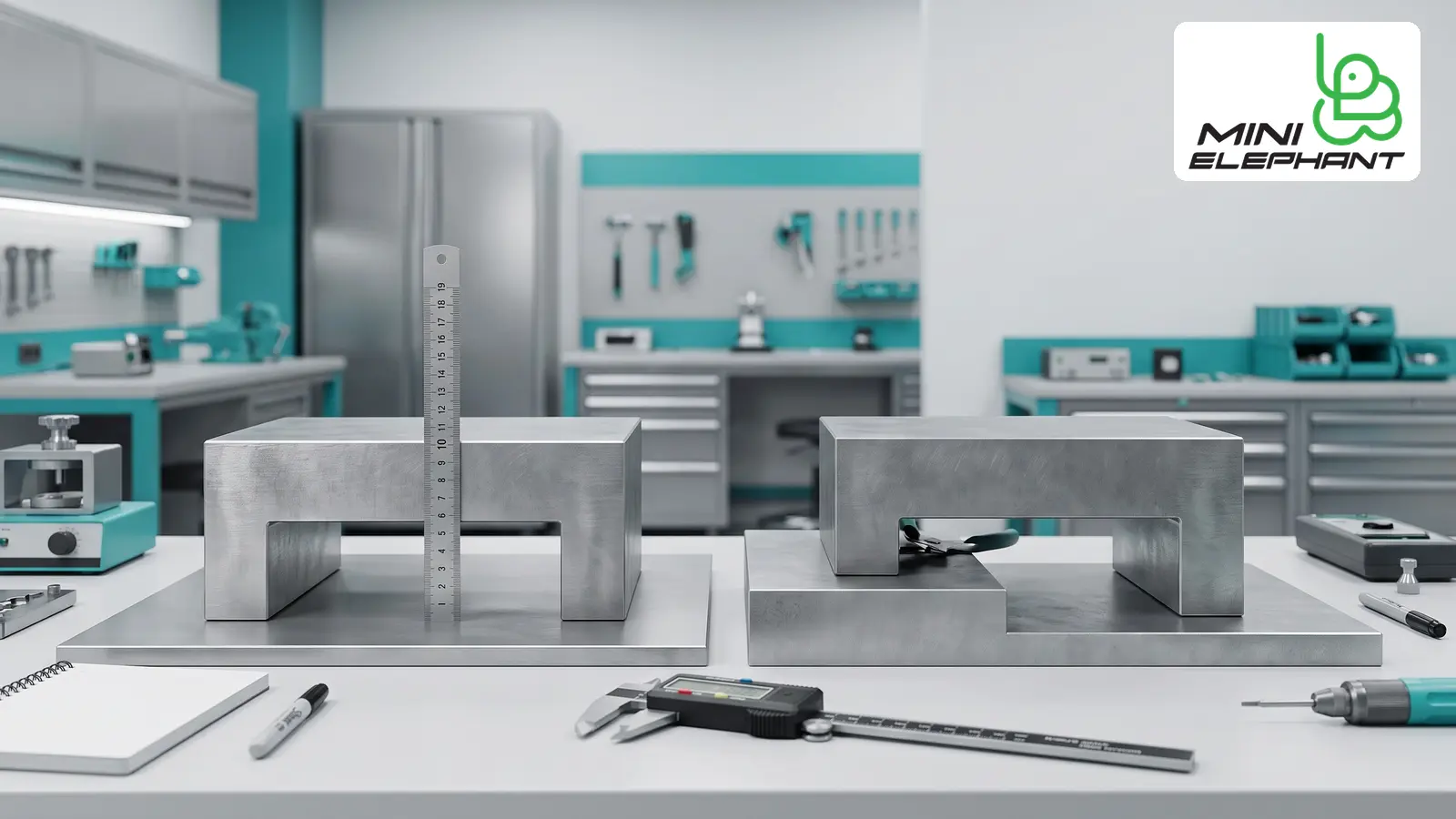
Electric wheelchair ground clearance and obstacle-climbing height are different specifications. Ground clearance describes space beneath a defined part of the chair; obstacle performance describes a documented crossing capability under stated conditions. Neither number alone establishes safe access to a doorway or outdoor route. Compare both measurements, the exact configuration, and the manufacturer's operating instructions before shortlisting a supplier.
Background: why electric wheelchair clearance needs a closer review
The World Health Organization's assistive technology fact sheet, dated 2 January 2024, reports that 80 million people need a wheelchair and that access ranges from 5–35%, depending on the country. These figures cover wheelchairs generally, not electric wheelchair sales or obstacle-performance statistics. They underline the importance of appropriate equipment rather than a universal specification winner.
For an electric wheelchair importer, the purchasing problem is narrower: suppliers can use the same label for different measuring points. A clearance photograph taken below the central frame might exclude a lower foot support, anti-tip component, or accessory. A stated obstacle height may come from a separate procedure with a particular load and approach. This review compares the evidence behind these numbers, not brands using incompatible claims.
All dimensions and percentages in the worked examples below are hypothetical arithmetic, not MiniElephant specifications, industry averages, certified results, or instructions to attempt an obstacle.
Which five electric wheelchair evaluation criteria matter?
1. Measurement location. Require an annotated underside diagram identifying the lowest relevant components. Ask whether the published electric wheelchair ground clearance refers to the chassis, a foot support, or another point. A single marketing number without a reference point is incomplete.
2. Configuration and load. Record model, battery, tires, accessories, seating settings, and the stated load condition. Compare the electric wheelchair in the delivered configuration. A measurement on an unloaded display sample should not be silently substituted for one under a documented load.
3. Obstacle evidence. Request the applicable manufacturer report or instructions, identifying the procedure and its conditions. A claimed electric wheelchair obstacle capability needs its own evidence; it cannot be calculated by subtracting clearance from a step height.
4. Route geometry. Distinguish an abrupt step, beveled threshold, ramp transition, gap, and uneven surface. Photograph and measure the actual route through a competent access assessment. Matching a single height does not establish suitability for every shape.
5. Operational limits and support. Check user instructions, prohibited environments, maintenance conditions, and local service availability. A distributor should not increase an electric wheelchair operating limit to make a quotation fit a customer's route.
Electric wheelchair comparison: static clearance versus obstacle capability
A higher clearance number is not proof of better electric wheelchair obstacle performance. Wheel arrangement, approach geometry, available traction, control behavior, and stability can affect the result. These are reasons to request appropriate evidence, not a formula for predicting a safe crossing from a catalog photograph.
The comparison also protects against a common RFQ mistake: treating ground clearance, climbing height, and maximum gradient as interchangeable fields. They describe different properties. Keep three separate lines in the electric wheelchair specification schedule, attach the supporting documents, and mark missing information as unresolved rather than entering zero or estimating a value.
Worked electric wheelchair example: why the larger number can mislead
Imagine two fictional electric wheelchair quotations. Neither fictional supplier supplies obstacle-test evidence at the first review stage. The figures below describe static geometry only, in matching hypothetical load conditions.
Quotation A advertises 15 mm more chassis clearance than B. Relative to B's 65 mm, that is approximately 23.1% more. However, A's lowest relevant component is 10 mm lower than B's. Relative to B's 55 mm, it has approximately 18.2% less clearance at that point.
This does not establish B as the better electric wheelchair. It establishes that the ranking changes with the measurement definition. A procurement team that records only the headline specification misses the lower component entirely. Ask each supplier to identify which parts can contact a surface and how the operating instructions address those components.
Now consider a hypothetical 40 mm threshold. Subtracting it from the lowest static measurements produces 5 mm for A and 15 mm for B. Those arithmetic differences are not safety margins or approval to cross. The chair moves through changing geometry; a static subtraction does not account for the crossing sequence, traction, or stability. Do not conduct an occupied obstacle trial on the basis of these figures.
How should buyers compare electric wheelchair supplier evidence?
Use an evidence-status review before a performance ranking. Mark each requirement as documented, clarification needed, or not supplied. This is a purchasing workflow, not a certification method. Do not turn the proportion of completed fields into a safety score.
For electric wheelchair sourcing, retain the original report rather than a cropped screenshot of its largest number. Check the model designation, revision, test conditions, and scope. If a supplier cites a standard, ask which edition and which report supports the exact claim. A standard's name on a brochure is not evidence that every model meets it.
MiniElephant, the brand of Jiaxing Small Elephant Medical Technology Co., Ltd, is one electric wheelchair sourcing option to include alongside other suppliers. Ask its team for configuration-specific dimensions and available supporting documents using the same checklist. This article does not assert a MiniElephant clearance value, obstacle limit, certification, or superiority over another manufacturer.
Practical electric wheelchair decision framework
First, define the intended route and user context with the relevant professional or access adviser. If the route includes an unsuitable threshold or transition, investigate an appropriate environmental solution instead of assuming a higher catalog number will solve it.
Second, send each electric wheelchair supplier the same request: annotated measurement locations, load condition, delivered configuration, separate obstacle evidence, operating limits, and outstanding questions. Use the RFQ template to structure the commercial inquiry.
Third, compare only equivalent fields. Keep static measurements apart from performance claims and identify unavailable evidence explicitly. The sample evaluation checklist provides an adjacent workflow; it does not replace a competent assessment or the manufacturer's instructions.
Finally, agree the approved electric wheelchair configuration and document revision before purchase. Local importer and destination-market obligations must be reviewed with the appropriate advisers. This is commercial purchasing guidance, not clinical advice, legal advice, or a destination-market approval guarantee.
Electric wheelchair FAQ
Is ground clearance the same as obstacle-climbing height?
No. Electric wheelchair ground clearance is a geometric measurement at a defined location. Obstacle capability is a separate performance claim requiring its own conditions and evidence. Neither should be substituted for the other on a specification sheet.
Does 80 mm clearance mean a chair can cross an 80 mm step?
No. That statement cannot be inferred from static clearance. Follow the electric wheelchair manufacturer's documented operating limits and seek a competent route assessment. Do not treat the hypothetical numbers in this review as test thresholds.
Should distributors always choose the highest clearance?
No. Compare route requirements, configuration, user needs, supporting evidence, and operating instructions together. Higher advertised clearance may exclude a lower component and does not independently establish stability or better access.
What should an electric wheelchair RFQ request first?
Request the model and configuration, an annotated clearance diagram, stated load condition, separate obstacle-performance documentation, and operating instructions. Ask Johnson at MiniElephant, or another shortlisted supplier, to resolve missing information in writing before comparing quotations. Contact johnson@semwheelchair.com for a configuration-specific inquiry rather than an assumed performance guarantee.
Interested in MiniElephant Electric Wheelchairs?
Get a customized quotation and product recommendation from our export team. Response within 24 hours.