Electric Wheelchair Rental Business: B2B Guide to a Profitable Fleet
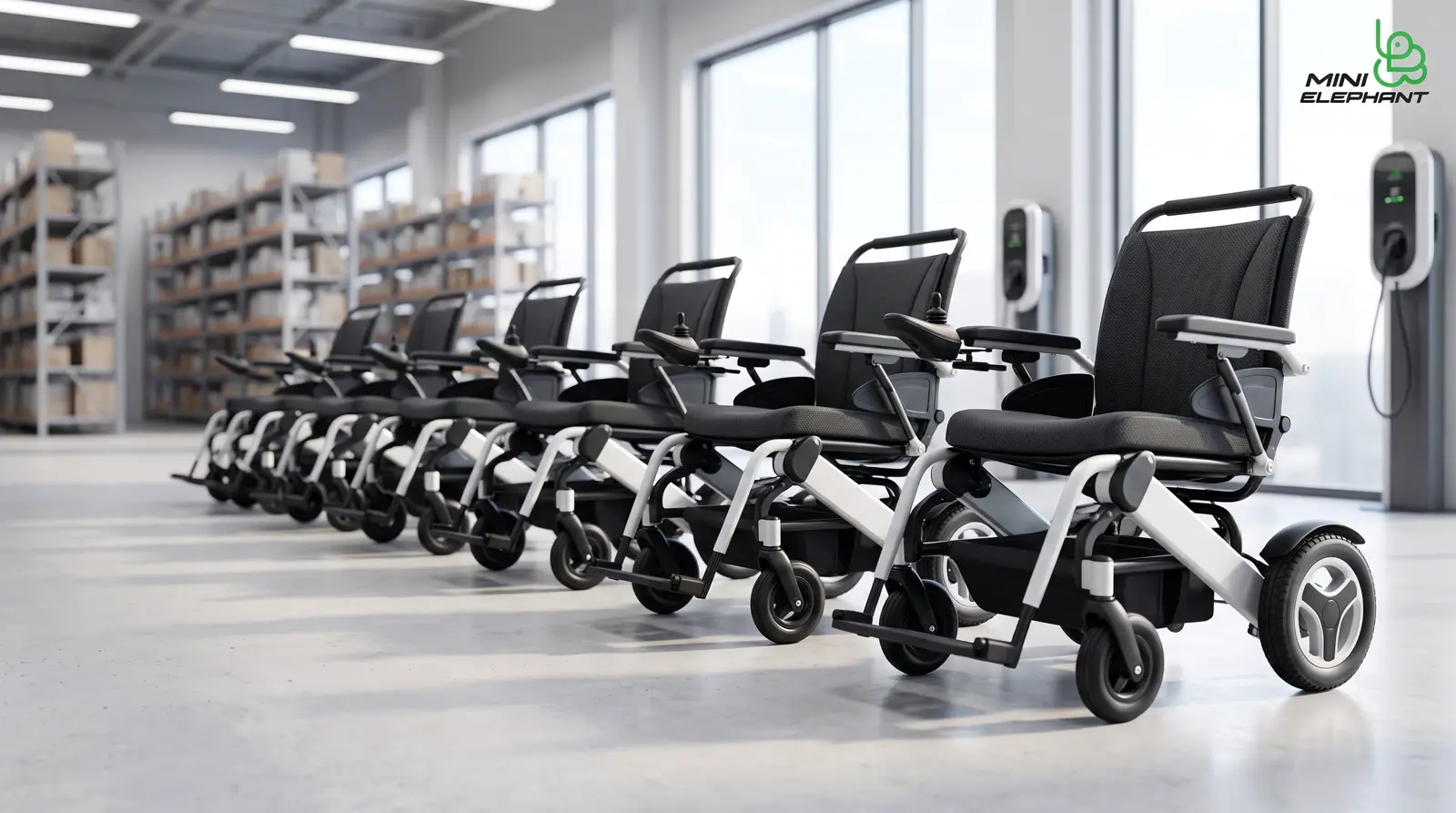
Electric Wheelchair Rental: The B2B Business Model That Compounds
Renting an electric wheelchair can generate 2-4 times the revenue of selling the same unit, and demand is growing from hospitals, airports, hotels, rehab centers, and event venues that need on-demand mobility without capital purchases. The catch is that rental economics are unforgiving: utilization below breakeven, weak cleaning protocols, or neglected maintenance will quietly erase the margin. This guide walks B2B operators through the rental models, fleet math, pricing, and operational disciplines that separate profitable wheelchair rental fleets from storage problems.
Background: Why Rental Demand Is Growing
Several structural shifts are pushing mobility toward rental:
- Post-surgery and short-term need. Hip and knee replacement patients, fracture recoveries, and post-stroke rehabilitation often need a wheelchair for weeks, not years.
- Travel and tourism. Airports, cruise lines, hotels, and theme parks now offer on-site mobility rentals; travelers increasingly expect a reliable unit at the destination rather than shipping their own.
- Event and venue accessibility. Conferences, stadiums, and public events need temporary fleets for attendees with limited mobility.
- Institutional de-risking. Hospitals and care facilities prefer renting for overflow demand and trial periods instead of committing capital to units that may sit idle.
For distributors, rental is also a powerful sales funnel: a rental customer who uses a unit for six weeks is highly likely to buy that model or a similar one.
Rental Business Models Compared
|-------|--------------|----------|--------------|
Most profitable operators run a mix. Short-term rentals generate high per-day revenue and fill gaps; institutional contracts provide predictable baseline utilization; long-term rental converts into sales.
Fleet Composition: What to Stock
A rental fleet needs fewer, more durable models than a retail showroom. Prioritize:
1. Lightweight folding electric wheelchairs (40-50kg). These are the workhorses of rental fleets. They fit in car trunks, are easier to deliver, and serve the widest range of renters.
2. Mid-range daily-use models. For long-term renters who need comfort and range over portability.
3. One or two bariatric units per depot. Bariatric demand is small but urgent, and the premium rental rate is high.
4. Spare batteries and chargers. Battery swapping between rentals is faster than waiting for charging; a fleet of 20 units should carry 6-8 spare packs.
Rule of thumb: 80% lightweight folding, 15% standard daily-use, 5% bariatric matches rental demand patterns in most urban markets.
Rental Pricing Math
Rental pricing must cover three costs: depreciation, maintenance, and capital. A practical pricing model:
|--------|---------------|
Utilization is the lever that decides everything. At 30% utilization (about 11 rental days per month), a $35/day unit generates roughly $380/month against costs of $150-250 — a healthy gross margin. Below 15% utilization, the fleet is losing money even if individual rentals look profitable. Track utilization per unit weekly, and retire or relocate units that stay under 15% for three consecutive months.
Maintenance: The Silent Margin Killer
A rented electric wheelchair takes far more abuse than a privately owned one. Renters are unfamiliar with the equipment, drive over kerbs, overcharge batteries, and ignore warning lights. A disciplined maintenance schedule is non-negotiable:
- Battery care. Batteries are the top failure point in rental fleets. Charge after every return, cycle-test monthly, and replace any pack below 70% of rated capacity.
- Tire inspection. Check pressure and tread at every return; replace pneumatic tubes on any sign of wear.
- Brake verification. Test electromagnetic brakes and freewheel engagement before every dispatch.
- Joystick and controller check. Renters drop controllers; verify function and mounting at each return.
- Fastener torque check. Vibration loosens bolts; a 10-point torque check monthly prevents mid-rental failures.
Preventive maintenance at every return adds 15 minutes per unit and cuts rental failures by roughly half. Operators who skip it pay for it in refunds, negative reviews, and recovery callouts.
Cleaning and Hygiene Protocols
Institutional and post-surgery renters expect clinical cleanliness, and regulators are watching:
1. Wipe down all touch surfaces (joystick, armrests, seat, footrests) with a healthcare-grade disinfectant after every return.
2. Clean and disinfect the cushion, or swap to a fresh spare cushion per rental.
3. Ventilate and dry the unit before storage; moisture accelerates electrical and upholstery failure.
4. Document the cleaning with a dated checklist per unit — institutions and insurance auditors request proof.
Liability and Documentation
Rental shifts risk from the owner to the operator, so documentation matters:
- Rental agreement stating the renter's obligations, usage limits, and damage policy.
- Damage waiver or security deposit sized at 10-20% of the unit value.
- Proof of insurance covering third-party liability and property damage during the rental term.
- Condition report with photos at dispatch and return — the single most effective defense against disputed damage claims.
- User orientation at handover. A 5-minute walkthrough of joystick, brakes, charging, and folding cuts misuse-related damage significantly.
Decision Framework for Starting or Scaling a Rental Fleet
1. Start with 5-10 units in one depot and measure utilization for 3 months before expanding. Growth on unproven utilization is how rental operators lose money.
2. Price per day, not per week. Daily pricing anchors higher revenue; offer weekly discounts only for long-term commitments.
3. Partner with one institution first. A single hospital or rehab contract provides baseline utilization that de-risks the rest of the fleet.
4. Build the maintenance habit before the fleet grows. Cleaning and check protocols must be standard operating procedure at 10 units so they are automatic at 100.
5. Track three numbers weekly: utilization per unit, maintenance cost per rental, and damage rate. Those three numbers tell you whether the fleet is compounding or leaking.
FAQ: Electric Wheelchair Rental Business
Q: Is renting or selling electric wheelchairs more profitable?
A: Renting generates 2-4 times the lifetime revenue of a single sale, but only if utilization stays above roughly 15-20%. Below that, the unit is costing money parked in storage. Most operators combine both: rental fills demand, and rental customers convert to buyers.
Q: What is the best electric wheelchair model for a rental fleet?
A: A lightweight folding electric wheelchair in the 40-50kg class. It serves the widest range of renters, fits in car trunks for delivery, and is easier to maintain than heavy fixed-frame units. Reserve standard and bariatric models for long-term and specialty rentals.
Q: How often should rental wheelchairs be serviced?
A: A 15-minute inspection and cleaning at every return, plus a deeper monthly check covering batteries, tires, brakes, and fasteners. Preventive maintenance at every return cuts mid-rental failures by roughly half.
Q: What kills rental fleet profitability?
A: Low utilization, skipped maintenance, and unclear damage policies. Track utilization per unit weekly, inspect at every return, and document condition with photos at dispatch and return.
The B2B Bottom Line
Electric wheelchair rental is a compounding business when it is run with discipline: the right fleet mix, honest utilization tracking, maintenance at every return, and clear liability documentation. Operators who treat the fleet as an asset to protect — not just inventory to push out the door — build recurring revenue that resale alone cannot match, and every rental becomes a marketing touchpoint that drives future sales.
**Planning a rental fleet or an institutional rental program?** [Contact the MiniElephant export team](https://www.semwheelchair.com/contact) for fleet pricing, spare battery packs, and maintenance documentation support on the MiniRedone series for rental operators.
Interested in MiniElephant Electric Wheelchairs?
Get a customized quotation and product recommendation from our export team. Response within 24 hours.