NDIS Electric Wheelchair Funding: B2B Guide to the Australian Market
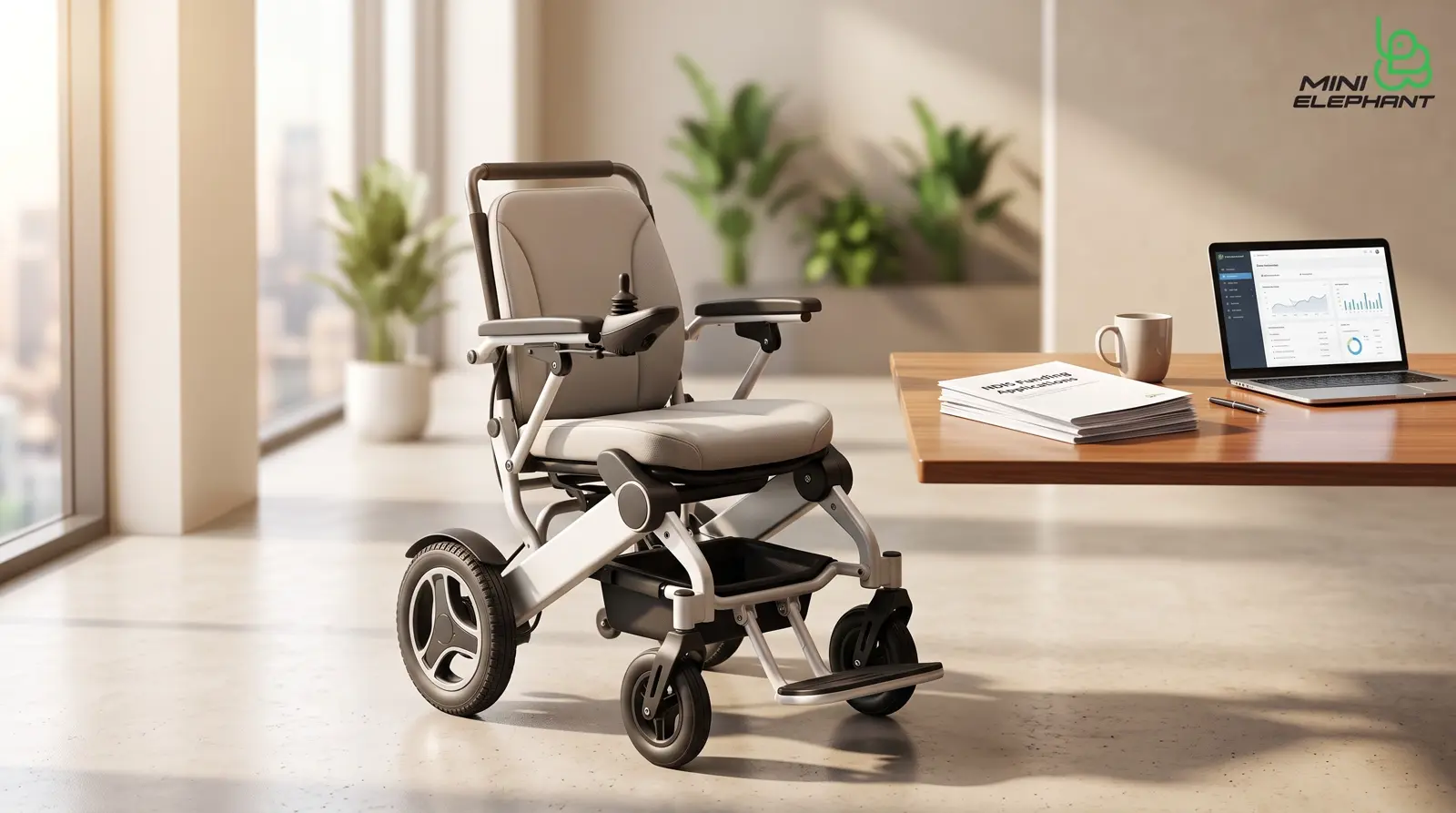
NDIS Electric Wheelchair Funding: The B2B Guide to Australia
The National Disability Insurance Scheme (NDIS) funds electric wheelchairs for hundreds of thousands of Australians, making it one of the largest and most predictable powered-mobility funding streams in the world — and one of the most rule-bound. NDIS funding is not a simple grant: it is a structured system of support categories, assessment requirements, and price limits, and suppliers who do not understand the mechanics lose tenders to those who do. This guide explains how NDIS funding works for electric wheelchairs, which support categories cover them, the role of assistive technology assessors, and exactly what B2B exporters need to prepare to sell into the Australian market.
Background: Why the NDIS Matters for Electric Wheelchair Suppliers
The NDIS provides funding to eligible Australians with permanent and significant disability for supports that relate to their disability, including assistive technology such as wheelchairs. Around half a million Australians participate in the scheme, and assistive technology is one of its largest expenditure categories.
Three characteristics make the NDIS attractive to mobility suppliers:
1. It is funded and predictable. Approved supports are paid by the scheme, which means fewer collection problems than retail sales and a clear demand pipeline.
2. It is assessment-driven. Every wheelchair purchase goes through an assistive technology assessment process, which creates durable relationships between suppliers, assessors, and participants.
3. It is growing. The scheme's participant base and its technology budget have grown steadily, and the population needing powered mobility is aging into the system.
The flip side: the NDIS has strict rules about what it will fund, how it is priced, and who can supply it. Suppliers who treat it like a normal retail market find their invoices unpaid and their products off the approved list.
How NDIS Funding for an Electric Wheelchair Works
NDIS funding for a wheelchair is not a single grant. It flows through several layers:
1. Support category. A powered wheelchair is typically funded under "Assistive Technology - Daily Living" in the participant's plan. The plan states a total budget for the category, not a specific wheelchair.
2. Plan management. Funding is released through the participant's plan manager — either NDIA-managed, plan-managed (a registered plan manager), or self-managed. The management type changes the claiming and invoicing process.
3. Assessment. A qualified assistive technology assessor (usually an occupational therapist) conducts an assessment and writes a recommendation that specifies the wheelchair model, features, and price.
4. Quote and approval. The supplier submits a quote. Depending on the price and complexity, the quote may be approved by the plan manager, by an NDIS "reasonable and necessary" review, or by the NDIA itself for high-cost items.
5. Delivery and claiming. After delivery and participant acceptance, the supplier claims payment through the NDIS payment system, and funds are released according to the plan's management type.
The key concept: "reasonable and necessary." The NDIS funds supports that are deemed reasonable and necessary — meaning they relate to the participant's disability, represent value for money, and are likely to be effective. A wheelchair that is priced above comparable models without clear clinical justification will not be funded.
Assistive Technology Support Categories: Where an Electric Wheelchair Sits
Within the Assistive Technology budget, wheelchairs fall into defined support items with their own price limits:
|----------|----------------|--------------------------------|
Price limits matter. The NDIS publishes support item price limits (price guides) for assistive technology. A quote above the limit can be funded only with a written justification and, for high-cost items, a more detailed approval process. B2B suppliers who price transparently against these limits close deals faster than those who submit inflated quotes and wait for negotiation.
The Role of the Assistive Technology Assessor
The assessor is the gatekeeper of NDIS wheelchair funding. Typically an occupational therapist with assistive technology accreditation, the assessor:
- Evaluates the participant's postural, mobility, and environmental needs.
- Recommends the specific wheelchair model, configuration, and features.
- Writes the report that justifies the funding request.
- Reviews the supplier's quote for clinical and technical fit.
B2B implication: the supplier's customer is the participant, but the influencer is the assessor. Suppliers who build relationships with assistive technology assessors — through product training, demo programs, and responsive technical support — get recommended consistently. Those who only market to end users lose the assessment stage.
What B2B Exporters Must Prepare to Sell into Australia
1. Product compliance. Wheelchairs sold in Australia should meet the relevant standards — including AS/NZS 3696 (wheelchairs) and the Electrical Equipment Safety System for the electrical components. Confirm the supplier's test reports before quoting.
2. TGA and medical device considerations. Depending on classification, some mobility products fall under Therapeutic Goods Administration (TGA) requirements. Verify whether the product is exempt or requires inclusion in the ARTG.
3. Warranty and spare parts. NDIS participants and assessors expect a real warranty, local technical support, and available spare parts. A supplier without an Australian service channel will struggle to win assessments.
4. Documentation. Assessors need clear spec sheets, load ratings, dimensions, and clinical justification documents — in English, with test evidence where claims are made.
5. A registered supply channel. Work with (or become) an NDIS-registered provider where the participant is NDIA-managed, because only registered providers can claim payment directly from the scheme for those participants.
Pricing and the "Reasonable and Necessary" Test
The NDIS will not pay whatever a supplier asks. Every quote faces the reasonable and necessary test:
- Value for money: does the price reflect the market rate for comparable equipment?
- Effectiveness: will the product deliver the outcomes the assessment predicts?
- Appropriateness: is this the right category of support for the participant's disability?
- Comparison with alternatives: could a cheaper model achieve the same outcome? If yes, expect pushback.
B2B tip: quote against the published price limits with transparent itemization — base chair, seating, battery, accessories. Participants, plan managers, and assessors all respond better to itemized quotes than to a single lump sum, and itemization survives audit.
Decision Framework for B2B Suppliers Entering Australia
1. Confirm compliance first. Standards, electrical safety, and any TGA obligations are non-negotiable gatekeepers; resolve them before sales effort.
2. Understand the support item you are targeting. Know the category, the price limit, and whether the item is plan-managed or NDIA-managed.
3. Build assessor relationships. Product training, demo units, and fast technical answers make assessors recommend your models.
4. Price transparently against the price guide. Itemized quotes aligned to published limits move through approval faster.
5. Secure a local service channel. Warranty service and spare parts availability decide long-term trust — and repeat assessments.
FAQ: NDIS Electric Wheelchair Funding
Q: Does the NDIS fully fund an electric wheelchair?
A: When a wheelchair is deemed reasonable and necessary through a proper assistive technology assessment, the NDIS funds it according to the participant's plan budget and the published support item price limits. There may be participant co-payment for items above the price limit without justification.
Q: Who decides which electric wheelchair a participant gets?
A: The assistive technology assessor — usually an accredited occupational therapist — recommends the model, configuration, and features based on the participant's clinical and environmental needs. The supplier quote must match that recommendation to be funded.
Q: Can an overseas manufacturer sell directly to NDIS participants?
A: Only registered providers can claim payment for NDIA-managed participants. Overseas manufacturers typically sell through Australian distributors or registered provider partners who handle quoting, delivery, service, and claiming.
Q: What is the most common mistake suppliers make with the NDIS?
A: Treating it like retail. The NDIS is assessment-driven and rule-bound: quotes without clinical justification, prices above the published limits, and products without compliance documentation all stall approval. Suppliers who understand the assessment pathway close far more deals.
The B2B Bottom Line
The NDIS is one of the most dependable powered-mobility markets in the world, but it rewards suppliers who respect its structure: compliance and documentation, transparent pricing against published limits, strong assessor relationships, and a local service channel. Distributors and manufacturers who build these capabilities capture a funded, growing, and referral-driven market where clinical trust — not price alone — decides who wins each assessment.
**Planning to supply electric wheelchairs into the NDIS market?** [Contact the MiniElephant export team](https://www.semwheelchair.com/contact) for compliance documentation, load-rated configurations, and B2B pricing support on the MiniRedone series for Australian partners.
Interested in MiniElephant Electric Wheelchairs?
Get a customized quotation and product recommendation from our export team. Response within 24 hours.