Electric Wheelchair Battery and Charger Compatibility Guide
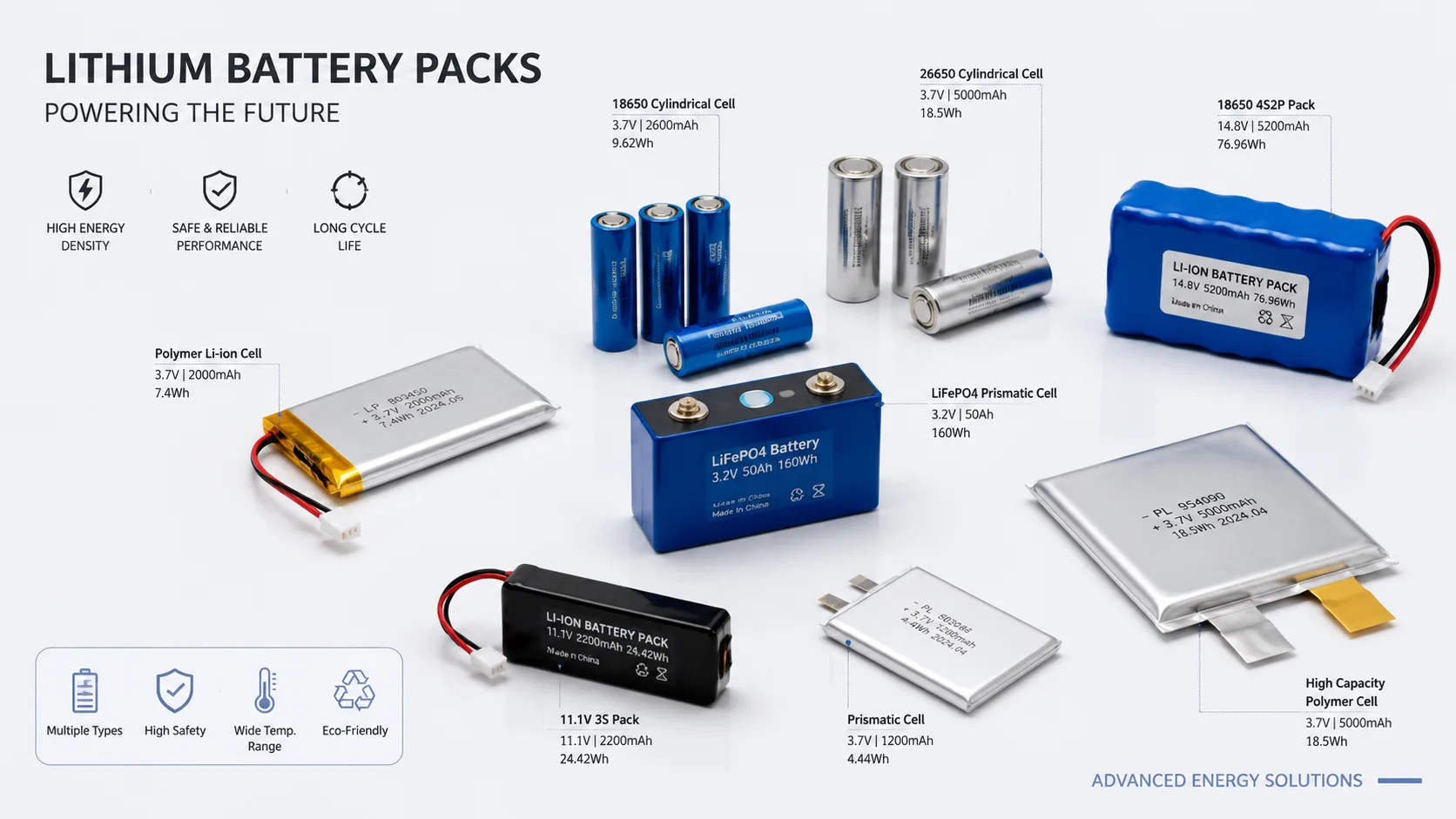
Electric Wheelchair Battery and Charger Compatibility: A B2B Guide
A charger that fits the socket is not necessarily a charger that matches the electric wheelchair. Battery chemistry, voltage, capacity, connector, charging profile, protection system, controller, and documentation must be considered together. For distributors and importers, this compatibility check should be completed before a product configuration, spare part, or private-label package is approved.
This guide supports procurement and service planning. Follow the manufacturer instructions and applicable market requirements for the exact chair and battery system.
Record the Complete Power System
Create a power-system record for every electric wheelchair model and revision. Identify the battery chemistry, nominal voltage, capacity, battery model or part number, connector, enclosure, charger model, input plug, output specification, and controller family. Note whether the battery is removable, how it is secured, and which accessories change the electrical configuration.
Do not rely on a product-family name alone. A supplier may change a connector, battery enclosure, charger, controller, or firmware between revisions. The serial-number or batch range affected by a change should be recorded where applicable.
Verify Charger-to-Battery Matching
A charger must be approved for the battery system and the electric wheelchair electronics. Confirm the output voltage, charging profile, connector polarity, current, communication requirements, indicator behavior, and protection features against the manufacturer's technical information.
A similar plug or identical voltage marking is not enough to establish compatibility. An unapproved charger can cause incomplete charging, fault indications, overheating, battery damage, or unsafe operation. Keep approved chargers clearly labeled by model and battery system in the warehouse.
Check Battery Options Before Ordering
Battery options can affect range, total weight, folded dimensions, lifting tasks, charging time, transport documentation, and the balance of the chair. Compare the actual battery package rather than treating capacity as the only difference.
For each option, record:
- chemistry and nominal voltage;
- capacity and stated test conditions;
- battery weight and dimensions;
- mounting and removal method;
- connector and protection information;
- charger model and charging instructions;
- effect on total chair weight and transport size;
- storage, shipping, and destination-market requirements.
Published range remains dependent on user load, terrain, temperature, tire condition, speed, and driving pattern. Do not convert a larger capacity into a universal range promise.
Control Compatibility Across Revisions
The battery, charger, controller, motors, and wiring form a system. If one component changes, ask whether the controller settings, connectors, charging method, display, or user instructions also need to change. Obtain written confirmation before mixing a replacement component from another revision.
Maintain an approved compatibility matrix for sales and service teams. It should show the battery, charger, controller, motor, and connector combinations accepted for each model revision. Mark superseded parts and list any required installation or programming changes.
Plan Storage and Service Safely
Warehouse staff should follow the battery and charger storage instructions for the exact product. Keep batteries and chargers identified, protected from damage, and separated from unapproved or returned equipment. Battery-related concerns, swelling, unusual heat, damaged cables, or charging faults should be isolated and escalated according to the manufacturer's safety process.
Service staff need the correct diagnostic information, replacement procedure, and tools. Do not ask an untrained user or warehouse worker to open a battery pack, bypass protection, alter wiring, or improvise a repair. Electrical and battery work should be performed by appropriately trained personnel.
Documents to Request From the Supplier
A procurement file should include the model-specific manual, battery and charger datasheets, part numbers, compatibility notes, charging instructions, fault information, transport details where applicable, and a change-control record. The product label, carton, quotation, packing list, and manual should describe the same configuration.
For a private-label order, approve the battery and charger labels together with the artwork. Ensure translations, warnings, plug type, and model identifiers match the delivered equipment and target market. The importer should confirm the obligations that apply in the destination market rather than assuming documents from another configuration are sufficient.
B2B Comparison Table
| --- | --- |
Use signed or controlled records for the approved sample and first production order. A compatibility table that is not linked to the model revision can become unreliable after a component update.
Prepare Customer Handover Information
At delivery, identify the battery and charger and demonstrate the approved charging connection, indicator behavior, storage procedure, and safe handling. Explain which charger belongs to the chair and what information the customer should provide when requesting service.
Keep expectations realistic. Charging time and range can vary with battery condition, route, load, temperature, and use. The customer should follow the manual and contact the distributor when the chair shows a fault, charging abnormality, physical battery damage, or an unexpected change in performance.
B2B Compatibility Checklist
1. Record battery, charger, controller, motor, and wiring identities for each model revision.
2. Confirm output, connector, polarity, charging profile, and protection features with the manufacturer.
3. Compare battery options for weight, dimensions, range conditions, handling, and transport.
4. Maintain an approved compatibility matrix for sales, warehouse, and service teams.
5. Keep labels, manuals, quotations, and packing documents aligned with the delivered configuration.
6. Use trained personnel for battery and electrical work and escalate safety concerns promptly.
7. Document component changes before approving substitutions or replacement parts.
The B2B Bottom Line
Battery and charger compatibility is a system-level purchasing requirement. Importers who verify the complete power configuration, control revisions, storage process, service information, and customer documents can reduce charging failures and make after-sales support more predictable.
**Reviewing battery and charger options for an electric wheelchair range?** [Contact the MiniElephant export team](https://www.semwheelchair.com/contact) for model specifications, compatibility information, and B2B sourcing support.
Interested in MiniElephant Electric Wheelchairs?
Get a customized quotation and product recommendation from our export team. Response within 24 hours.