Electric Wheelchair Range: Real-World Distance Comparison for B2B Buyers
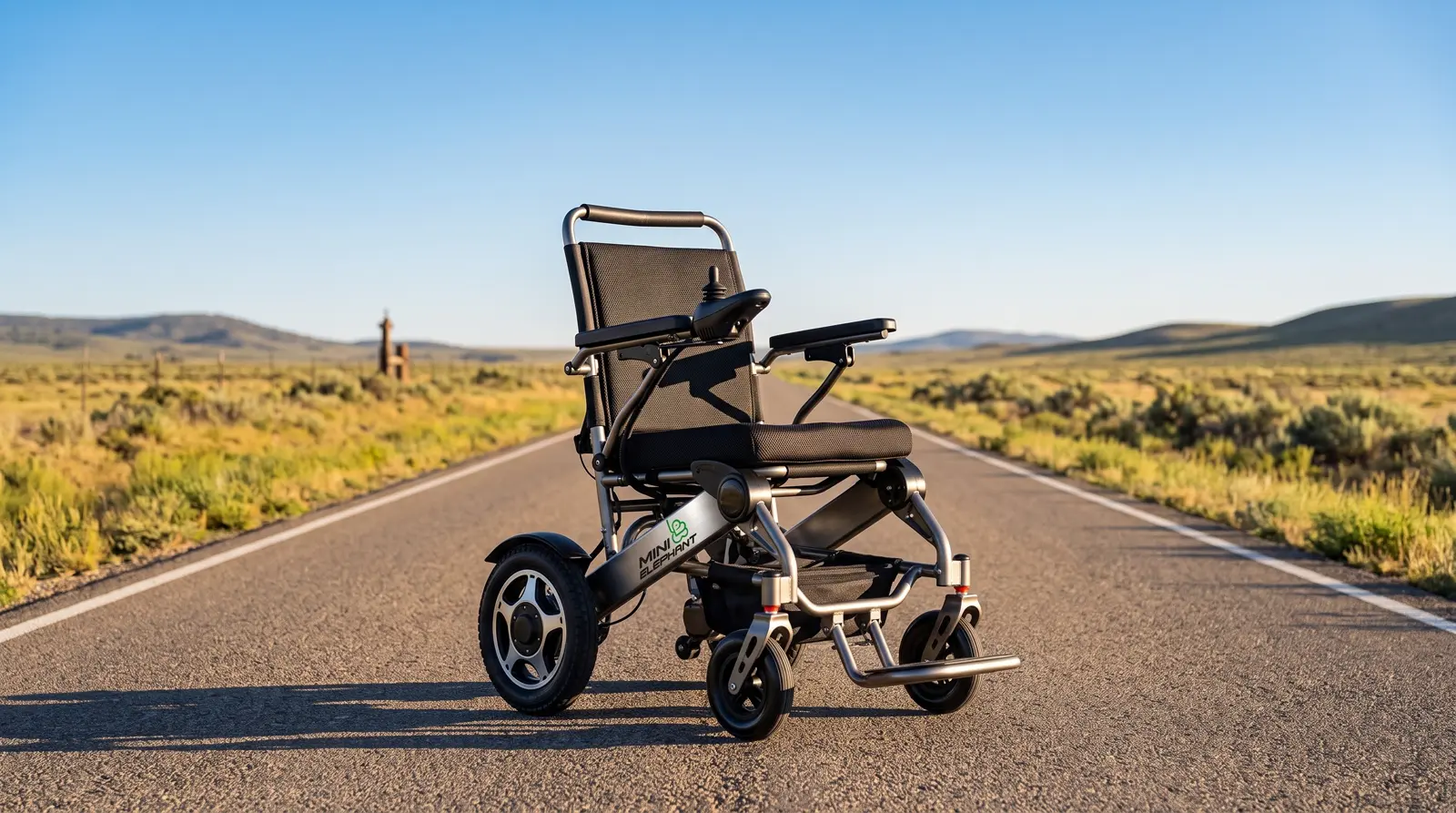
Electric Wheelchair Range: What the Spec Sheet Does Not Tell You
The range figure on an electric wheelchair spec sheet is measured in ideal conditions — flat floor, full battery, light load, moderate temperature — and real users rarely see it. A chair rated for 25km can cover 12km on a cold morning with a heavy user on a slope, and that gap is the number one source of range complaints for B2B distributors. This guide compares how far electric wheelchairs actually travel across entry, mid-range, and premium tiers, explains the factors that drain range, and gives importers a practical framework for matching range claims to real-world use.
Background: Why Range Decides Electric Wheelchair Satisfaction
Range anxiety is not limited to electric cars. For electric wheelchair users, running out of power mid-journey means being stranded, often without help nearby. Surveys of powered mobility users consistently rank battery range among the top three satisfaction factors, alongside comfort and reliability. For a distributor, a model whose real-world range falls short of its rated figure produces returns, negative reviews, and warranty claims that eat margin long after the sale.
The mobility market is moving toward longer journeys. Users increasingly take electric wheelchairs on outdoor errands, park trips, and community travel, not just indoors. B2B buyers who cannot explain real-world range to their customers are at a competitive disadvantage against distributors who can.
How Range Is Measured: Rated vs Real-World
|-------------|-----------|-------------------|
Rule of thumb: expect real-world range to be 55-75% of the rated figure for most electric wheelchairs. A chair rated at 20km typically delivers 12-15km in daily use. Premium models with better motors and lithium batteries tend to sit at the higher end of that band; entry models with lead-acid batteries sit at the lower end.
Typical Range by Tier
|------|-----------------|-------------|------------------------|
The single biggest lever on electric wheelchair range is battery chemistry, not battery size. A 16Ah LiFePO4 pack delivers more usable energy than a 20Ah lead-acid pack because lithium holds voltage higher under load and is not derated the way lead-acid is. Two chairs with the same rated range can differ by 30-40% in real-world distance depending on chemistry.
Battery Math Every B2B Buyer Should Know
Range is driven by stored energy, expressed in watt-hours (Wh):
- Capacity (Ah) × voltage (V) = energy (Wh). A 16Ah 24V pack stores 384Wh.
- A typical electric wheelchair consumes 12-18Wh per kilometer depending on weight, speed, and terrain.
- Estimated range = battery Wh ÷ consumption per km. A 384Wh pack at 15Wh/km yields roughly 25km in ideal conditions — and less in practice.
Ask suppliers for the battery's nominal voltage and capacity in Wh, not just the Ah figure. Two "16Ah" batteries can store different amounts of energy if their voltages differ, and the Wh figure is the honest comparison.
Six Factors That Drain Real-World Range
1. User weight and cargo. Every 10kg above the 75kg test load cuts range by roughly 5-8%. A 120kg user on an entry-tier chair can lose a quarter of the rated range.
2. Terrain and slopes. Continuous climbing, grass, gravel, and carpet all increase rolling resistance. A 10% slope can double energy consumption.
3. Temperature. Cold weather reduces battery capacity — lithium packs lose 10-30% below 0°C, lead-acid loses more. Winter range is always shorter.
4. Speed and acceleration. Range is best at 4-6km/h constant speed; rapid acceleration and top speed drain the pack noticeably faster.
5. Tire pressure. Under-inflated tires increase rolling resistance by 10-20%. A two-minute pressure check is the cheapest range upgrade available.
6. Battery age. Capacity fades with cycles. A lithium pack at 80% of rated cycles still delivers most of its range; a lead-acid pack at the same stage can be delivering 60% or less.
How B2B Buyers Should Spec Range
1. Map the customer's real journeys. A user who only goes indoors and around the neighborhood needs 10-15km real-world; one who runs errands across town needs 20km or more.
2. Apply the 0.65 rule to rated range. Divide the real-world requirement by 0.65 to find the rated figure you should demand — needing 15km real-world means sourcing a chair rated for at least 23km.
3. Prioritize lithium chemistry. LiFePO4 delivers more usable energy, holds voltage better under load, and degrades slower. The higher first cost is repaid in range performance and service life.
4. Request range test data, not brochure numbers. Ask the supplier for test results under a defined load, terrain, and temperature. A supplier who cannot produce them is quoting marketing figures.
5. Consider swappable batteries. Models with removable battery packs let users carry a spare — the practical answer to range anxiety without paying for a larger built-in pack.
FAQ: Electric Wheelchair Range
Q: How far can an electric wheelchair realistically travel?
A: In daily use, expect 55-75% of the rated figure. A typical mid-range electric wheelchair rated at 25km delivers roughly 15-20km real-world depending on weight, terrain, and temperature.
Q: Does a bigger battery always mean more range?
A: Not by itself. Chemistry matters more — a 16Ah LiFePO4 pack often outperforms a 20Ah lead-acid pack because lithium maintains voltage under load and loses less capacity in the cold.
Q: Why does a customer's range decrease in winter?
A: Low temperatures reduce battery capacity — lithium packs lose 10-30% below 0°C and lead-acid loses even more. Advise customers to store and charge batteries at room temperature and expect shorter range in cold months.
Q: Are swappable batteries worth offering?
A: For users with long daily journeys, yes. A removable second battery is the most cost-effective answer to range anxiety, and it extends the usable life of the chair as the original pack ages.
The B2B Bottom Line
Rated range is a marketing number; real-world range is a business number. Distributors who understand how far an electric wheelchair actually travels — and can explain battery chemistry, terrain, and temperature effects to their customers — select better products, set correct expectations, and avoid the returns and complaints that follow range disappointment. When comparing quotes, compare watt-hours, chemistry, and test data, not the bold figure on the brochure.
**Need range-verified electric wheelchair models for your market?** [Contact the MiniElephant export team](https://www.semwheelchair.com/contact) for battery specifications, real-world range data, and swappable-battery options on the MiniRedone series for B2B partners.
Interested in MiniElephant Electric Wheelchairs?
Get a customized quotation and product recommendation from our export team. Response within 24 hours.