Electric Wheelchair Battery Storage Guide for Dealers and Users
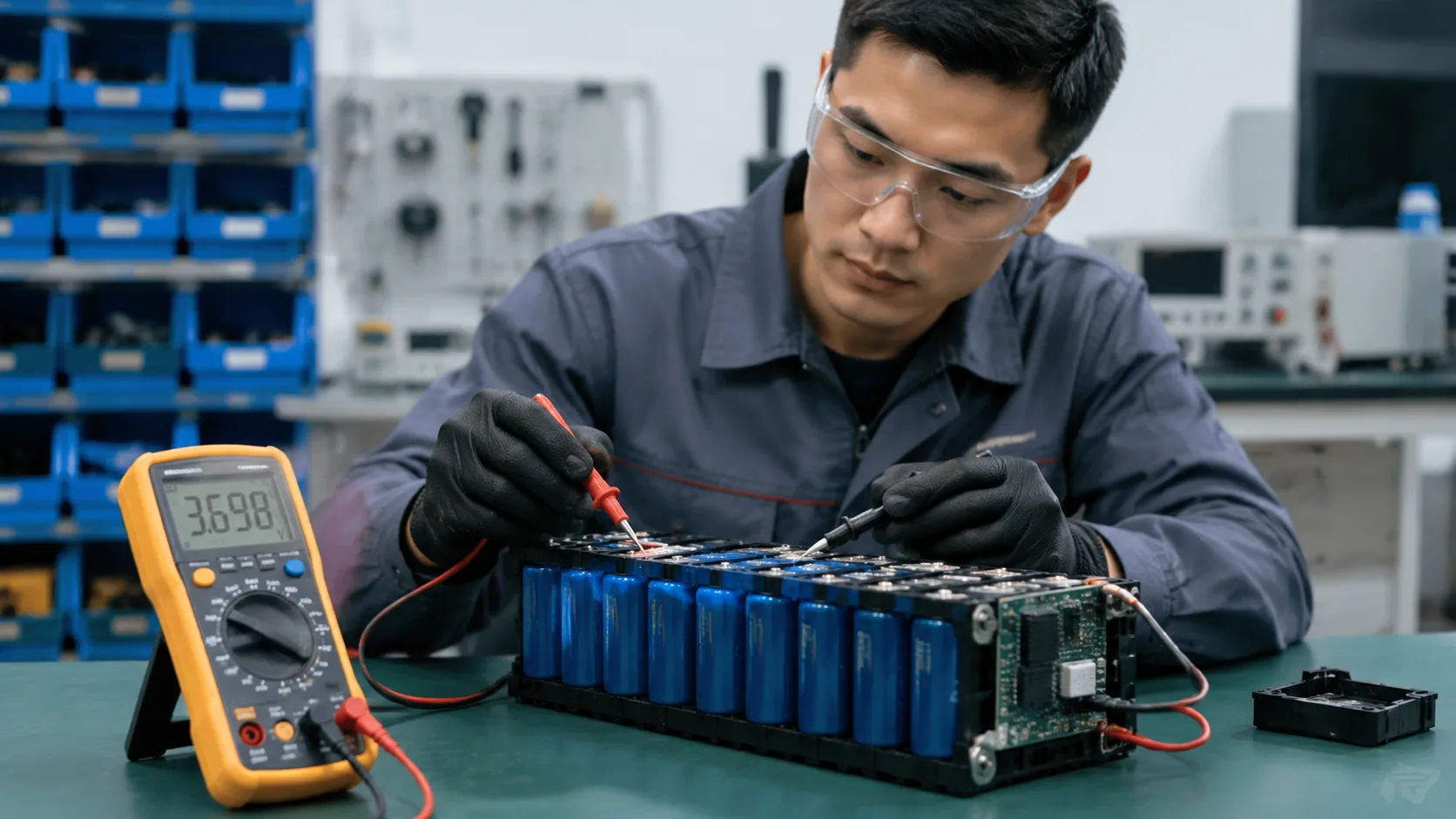
Electric Wheelchair Battery Storage: A Guide for Dealers and Users
Battery care is a core part of electric wheelchair readiness. A chair that has been stored for weeks in a warehouse, showroom, or home may look new but still need a documented battery check before it is demonstrated or delivered.
For B2B buyers, battery storage guidance should be part of the purchasing conversation. Battery chemistry, battery-management settings, charger type, storage duration, ambient temperature, and local transport rules all affect the right procedure. Always follow the specific wheelchair and battery manufacturer's manual when it differs from general advice.
Identify the battery system first
Electric wheelchairs commonly use sealed lead-acid (SLA) batteries or lithium battery packs. These systems have different storage requirements, charging behavior, weight, cycle life, shipping classifications, and protection electronics. Dealers should confirm the exact battery chemistry, voltage, capacity, charger model, connector type, and approved replacement part number for each wheelchair configuration.
Do not assume every 24-volt battery system uses interchangeable chargers or packs. An incorrect charger, damaged connector, or non-approved replacement can affect performance and may create a safety risk. Keep manufacturer manuals and product labels with the unit so the sales and service team can verify the configuration at handover.
Store wheelchairs in a clean, dry, moderate environment
A suitable battery storage area is clean, dry, well ventilated, and protected from direct sun, freezing conditions, prolonged heat, water exposure, and corrosive chemicals. Avoid placing chairs where forklifts, stacked cartons, or loose tools can damage cables, battery cases, or charging ports.
Temperature matters because both heat and cold can reduce available performance and influence long-term battery condition. The supplier's stated storage-temperature range takes priority. If local climate control is limited, record exceptional heat or cold exposure and inspect affected units before sale or use.
Set a documented charging and inspection routine
New warehouse inventory should not be left without a schedule. Use a simple register that records receiving date, battery type, initial charge status where available, inspection date, charging date, technician initials, and any observed issue. Rotate showroom units so the same chair is not repeatedly discharged by demonstrations while another remains untouched.
The exact interval for maintenance charging depends on battery type and manufacturer instructions. Follow those instructions rather than applying one rule to all models. For long-term storage, some lithium packs may have recommended charge ranges and may require periodic checks; SLA batteries can also lose charge over time and should not be allowed to remain deeply discharged. Never charge a damaged, swollen, leaking, overheated, or visibly compromised battery. Isolate it and contact the supplier or qualified battery service provider.
Inspect before a demonstration or customer delivery
Before the wheelchair leaves storage, inspect the battery area and charging equipment. Check for loose or damaged cables, cracked housings, corrosion, unusual odor, moisture, warning lights, abnormal heat, or a charger that does not complete its normal sequence. Confirm that the wheelchair powers on, moves in a controlled test area, and reports no relevant diagnostic fault according to the manual.
A final delivery check should include the charging port, power switch, battery indicator, approved charger, user manual, and clear instructions on when and where to charge. Dealers should explain that battery range varies with user weight, terrain, tire condition, temperature, driving style, incline, and battery age. Published range figures are test results, not a guarantee for every journey.
Plan for transportation and shipping compliance
Lithium batteries may be subject to specific air, sea, road, or courier requirements. B2B importers should obtain the manufacturer's battery documentation, including test reports and transport information where applicable, before booking shipment. Ask whether the battery ships installed in equipment, separately packed, or subject to state-of-charge limits.
Do not rely on generic online advice for shipping a particular pack. Carrier and destination rules can change, and a logistics provider may need model-specific documents. Maintain copies of the supplier's declarations, packing instructions, and current safety data relevant to the shipment.
Train the customer without overcomplicating it
At handover, give users a short, practical routine: use the supplied or approved charger, charge in a suitable dry location, keep connectors clean, avoid modifying cables, and contact the dealer if warning signs appear. Explain the supplier's instructions for periods when the wheelchair will not be used. A concise printed checklist can reduce missed steps and make family members or caregivers more confident.
For care homes and rental fleets, assign responsibility for charge checks and maintain a shared log. Multiple users and staff shifts make informal battery care unreliable; a documented routine helps prevent a chair being issued with insufficient charge.
Questions B2B buyers should ask suppliers
Before ordering, ask the electric wheelchair manufacturer:
- What battery chemistry and approved charger are supplied with each configuration?
- What are the stated storage temperature and maintenance-charge requirements?
- Which inspections are required after extended storage?
- What shipping documents and battery test records can be provided?
- What warranty conditions apply to batteries and chargers?
- How are replacement packs identified and controlled by serial number or revision?
Build battery care into your after-sales process
Battery storage is not just a warehouse task. It connects procurement, receiving inspection, showroom management, delivery preparation, technical support, and warranty records. Dealers that document the process can reduce preventable no-start complaints and provide clearer support to end users.
By using manufacturer-approved equipment, maintaining suitable storage conditions, and checking every chair before handover, B2B mobility businesses can protect battery condition and deliver a more dependable electric wheelchair experience.
Interested in MiniElephant Electric Wheelchairs?
Get a customized quotation and product recommendation from our export team. Response within 24 hours.