Electric Wheelchair Seat Fit: A B2B Buyer Guide
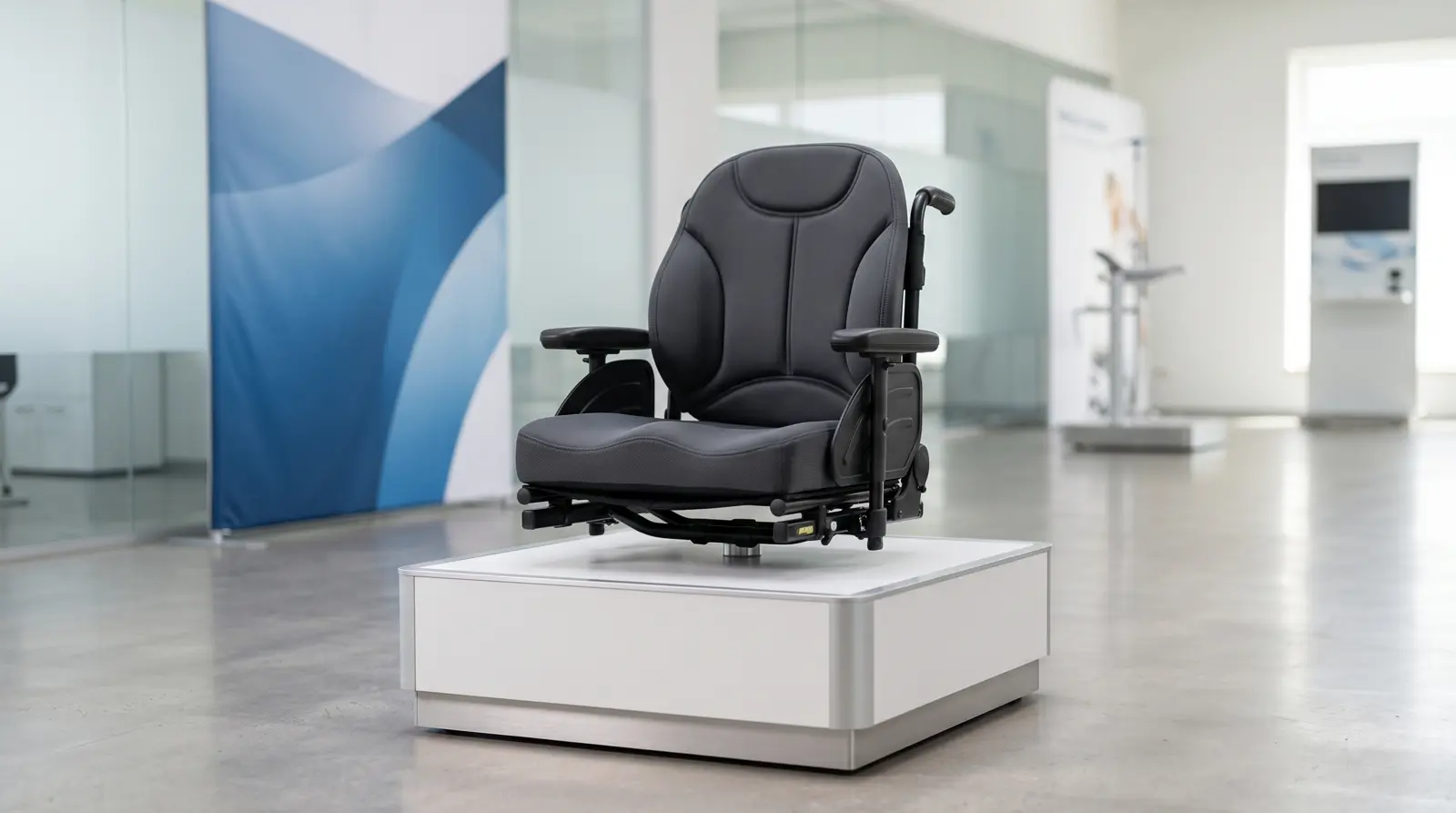
Electric Wheelchair Seat Fit: Compare the User Interface, Not Only the Frame
A compact frame can still be unsuitable if the seat, back support, armrests, footrests, and controls do not fit the intended user. For B2B buyers, seat fit is a product-selection and service issue: it affects comfort, posture, transfers, control access, transport dimensions, accessory choices, and the likelihood of returns or costly modifications.
This guide helps distributors, rehabilitation suppliers, and mobility retailers create a practical comparison process. It does not replace an assessment by an appropriately qualified clinician or seating professional where individual clinical needs require one.
Record the Dimensions That Matter
A product listing should state more than a nominal seat width. Build a controlled specification table for each configuration, including seat width, depth, height from ground, backrest height, armrest clearance, footrest range, overall chair width, turning space, folded size, and the effect of cushions or optional supports.
State how each figure was measured and whether it applies to the standard chair or an option. A cushion, side support, wider armrest, or different wheel package may change usable space, total weight, or folded dimensions. Consistent measurement notes help sales teams compare models accurately.
Start With the Intended Use Case
Ask where and how the chair will be used before recommending a seat configuration. Indoor use can prioritize compact width and table access. Outdoor or longer daily use may need a different balance of support, pressure management, battery capacity, and suspension. Vehicle transfers, hoists, doorway widths, desk height, and caregiver assistance all affect the decision.
Useful screening questions include:
- Does the customer need independent or assisted transfers?
- How much time will be spent in the chair each day?
- Will the chair be used primarily indoors, outdoors, or in mixed environments?
- Are there door-width, vehicle, lift, or storage constraints?
- Does the customer need a swing-away armrest, removable footrest, or attendant control?
- Is specialist seating assessment needed before a purchase decision?
The answers should lead to a documented comparison, not a generic recommendation based only on user height or body weight.
Check Support, Clearance, and Reach
A suitable seating position gives the user stable support while allowing safe reach to the joystick, switches, armrests, and transfer surfaces. Review backrest shape, cushion type, lateral support options, head support when applicable, foot placement, calf support, and armrest height. Confirm that the person can reach the joystick without prolonged shoulder strain or an awkward wrist angle.
For users with changing or complex postural needs, ask whether the chair platform can accept compatible seating accessories and who can fit them. Do not assume that a standard cushion, headrest, or controller placement meets an individual clinical requirement. Compatibility should be confirmed against the exact model revision.
Treat Transfers as a Product Requirement
Transfers are a frequent source of selection errors. Check seat height, armrest movement, footrest removal or swing-away action, brake behavior, and clear space beside the chair. A model that folds easily may not provide the right transfer approach for a particular home, bed, vehicle, or care environment.
Demonstrate transfer-related features safely using the manufacturer instructions. Sales staff should understand the limits of a product demonstration and refer the customer to an appropriate professional when clinical assessment or transfer training is needed.
Manage Configuration Changes and Service Records
Once the appropriate configuration is agreed, record it on the quotation, order, handover checklist, and service file. Include seat and cushion options, armrests, footrests, controller position, support accessories, and any settings applied by an authorized technician. This record makes spare-parts ordering and warranty discussion more reliable.
If a customer reports discomfort, reduced control access, pressure concerns, or difficulty transferring, treat the report as a review trigger rather than immediately changing parts. The cause may involve seating, cushion condition, adjustment, posture, driving environment, or a clinical issue. Safety or health concerns should be escalated promptly to the appropriate professional.
B2B Seat-Fit Checklist
1. Publish complete, consistently measured seat and chair dimensions for every configuration.
2. Match the chair to the user's environment and transfer needs, not only a nominal seat width.
3. Review reach to the controller, armrests, footrests, and support surfaces during demonstration.
4. Confirm accessory compatibility for the exact model and revision.
5. Refer complex clinical seating needs for qualified assessment.
6. Record the delivered configuration in the order and service file.
The B2B Bottom Line
Electric wheelchair seat fit is an ongoing product-support decision, not a single number on a brochure. Buyers that document dimensions, intended use, transfer requirements, control reach, and accessory compatibility can build a more useful product range and give customers clearer expectations from the first demonstration.
**Comparing electric wheelchair seating configurations for your market?** [Contact the MiniElephant export team](https://www.semwheelchair.com/contact) for model dimensions, configuration comparisons, and B2B sourcing support.
Interested in MiniElephant Electric Wheelchairs?
Get a customized quotation and product recommendation from our export team. Response within 24 hours.