Electric Wheelchair Drive Systems: Front vs Rear vs Mid-Wheel Compared
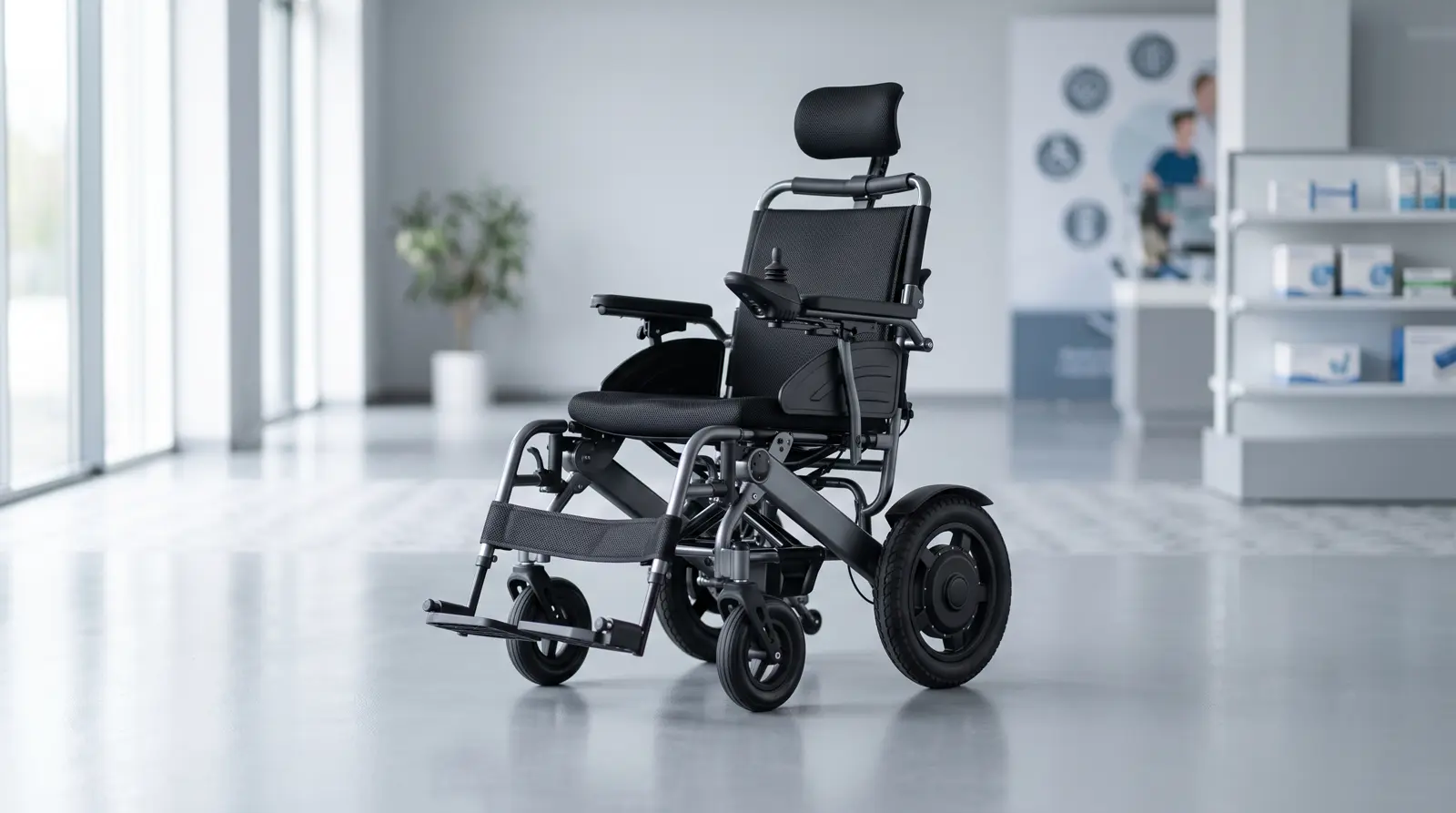
Which Electric Wheelchair Drive System Fits Your Market?
When you select an electric wheelchair for your product line, the drive configuration matters more than motor wattage or battery size. Front-wheel drive (FWD), rear-wheel drive (RWD), and mid-wheel drive (MWD) each deliver a different balance of turning radius, climbing ability, and indoor-versus-outdoor performance. This review breaks down the engineering trade-offs so B2B importers can match the right electric wheelchair platform to their customers.
Why Drive Configuration Defines the Electric Wheelchair
The drive system determines how motor power reaches the ground, and it shapes nearly every measurable performance metric on an electric wheelchair spec sheet. Industry data from trade fairs such as Rehacare and Medtrade suggests that rear-wheel drive appears in roughly 60% of electric wheelchair models on display, making it the default layout for most manufacturers. Mid-wheel drive has grown steadily in the premium segment, while front-wheel drive occupies a smaller, specialized share of the electric wheelchair market. For a distributor, understanding these three layouts is the first step toward building a balanced electric wheelchair portfolio that covers both indoor and outdoor use cases.
Evaluation Criteria: How We Compared the Three Layouts
For this review, we evaluated each electric wheelchair configuration across five factors:
|--------|------------------|----------------|
These five criteria cover what most B2B buyers actually compare when they test electric wheelchair samples from different factories.
Front-Wheel Drive: Indoor Precision with a Trade-Off
A front-wheel drive electric wheelchair pulls its drive wheels from the front, which gives the smallest turning circle of the three layouts. Typical front-wheel drive models turn in a radius of 0.6 to 0.8 meters, roughly 2 to 2.6 feet, because the rear casters can swing freely behind the turning point.
The strength of FWD is tight indoor work: narrow doorways, hospital corridors, and small apartments favor this configuration. However, the same design creates a weakness outdoors. Because the weight of the rider sits behind the drive wheels, front-wheel drive units tend to lose traction on steep ramps, and most FWD electric wheelchair models are rated for slopes of only 6 to 8 degrees. Service technicians also report faster caster wear on FWD units, which raises the long-term cost of ownership for distributors who provide warranty repairs.
Rear-Wheel Drive: The All-Rounder Most Buyers Choose
The rear-wheel drive electric wheelchair places the drive wheels under the heaviest part of the frame, which is why RWD dominates the industry. This layout delivers the best climbing ability among mainstream configurations: a typical RWD electric wheelchair climbs 8 to 12 degrees, and high-torque models with 350W dual motors handle 14-degree ramps in testing.
RWD also offers predictable handling at speed. Because the drive wheels sit near the center of gravity, rear-wheel drive units feel stable on uneven pavement, making them the preferred electric wheelchair choice for outdoor commuting and campus use. The trade-off is a wider turning radius, usually 0.9 to 1.2 meters, and a longer overall length. For B2B importers, RWD is the safest first product line because it satisfies the broadest range of end users with a single electric wheelchair SKU.
Mid-Wheel Drive: Premium Balance for the High-End Segment
A mid-wheel drive electric wheelchair positions its drive wheels under the seat, typically in a six-wheel layout with anti-tip casters front and rear. This is the configuration behind most high-end rehabilitation chairs: it offers a zero-turning-radius experience where the electric wheelchair rotates around its center, which clinicians value for positioning users at desks, beds, and therapy tables.
The engineering cost is real. Mid-wheel drive units need four caster wheels instead of two, more sophisticated suspension, and electronic anti-tip control. As a result, a mid-wheel drive electric wheelchair typically prices 20 to 40 percent above an equivalent RWD model, and its small casters perform poorly on gravel and grass. For distributors, MWD belongs in the premium tier of the electric wheelchair catalog, aimed at rehab centers and high-income users rather than general retail.
Head-to-Head: Drive System Comparison Table
|--------|-------------------|------------------|-----------------|
Practical Tips: Matching the Drive Type to the End User
Use this framework when you build your electric wheelchair product plan:
- Indoor-focused users (apartments, nursing homes, small clinics) → prioritize front-wheel drive models with tight turning circles.
- Outdoor and daily commuters (seniors who shop, work, or travel) → choose rear-wheel drive electric wheelchair models rated for 10+ degree slopes.
- Rehab and premium customers (MS patients, therapists, high-income buyers) → offer a mid-wheel drive electric wheelchair as a flagship option.
- First-time importers → stock RWD first. It is the easiest electric wheelchair category to service, certify, and sell across channels.
A balanced catalog typically carries one model from each drive family, with RWD volume driving the majority of sales and MWD serving as the margin-builder.
FAQ
1. Which electric wheelchair drive system is best for outdoor use?
Rear-wheel drive. RWD electric wheelchair models offer the best slope climbing, high-speed stability, and durability on uneven pavement, which is why most outdoor-rated units use this layout.
2. Why do mid-wheel drive electric wheelchairs cost more?
A mid-wheel drive electric wheelchair requires six wheels, electronic anti-tip control, and advanced suspension, adding 20 to 40 percent to the cost of an equivalent RWD model.
3. Is a front-wheel drive electric wheelchair good for beginners?
It can be, in indoor settings. FWD models turn tightly and feel intuitive at slow speeds, but new users should test slope handling before purchasing because traction is limited on ramps.
4. Do drive systems affect battery range?
Indirectly, yes. Drive efficiency, tire friction, and weight all influence consumption, but range is primarily determined by battery capacity and motor wattage rather than the drive layout itself.
5. Which drive type is common in modern electric wheelchair series?
Rear-wheel drive remains the most common layout, including in mainstream series such as MiniElephant's MiniRedone line, which uses 350W dual RWD motors. Many manufacturers now also offer mid-wheel drive variants in their premium ranges.
The Bottom Line
There is no single best electric wheelchair drive system, only the best fit for each market segment. RWD is the volume leader, FWD wins in tight indoor spaces, and MWD dominates the premium tier. B2B buyers who understand these differences can build an electric wheelchair portfolio that satisfies more customers with fewer SKUs, and that is the real competitive advantage in 2026.
Interested in MiniElephant Electric Wheelchairs?
Get a customized quotation and product recommendation from our export team. Response within 24 hours.