Folding vs Full-Size Electric Wheelchairs: B2B Comparison Guide
Folding vs Full-Size Electric Wheelchairs: A Practical B2B Comparison
Folding and full-size electric wheelchairs are not interchangeable products. A folding model is designed around transport, storage, and quick setup, while a full-size model usually prioritizes seating space, suspension, range, and long-duration use. For importers and distributors, the right question is which configuration fits the route, user, caregiver, and service network in the target market.
The Core Difference
|---|---|---|
These are general tendencies, not guarantees. The actual specification and testing should decide the comparison.
When a Folding Model Makes Sense
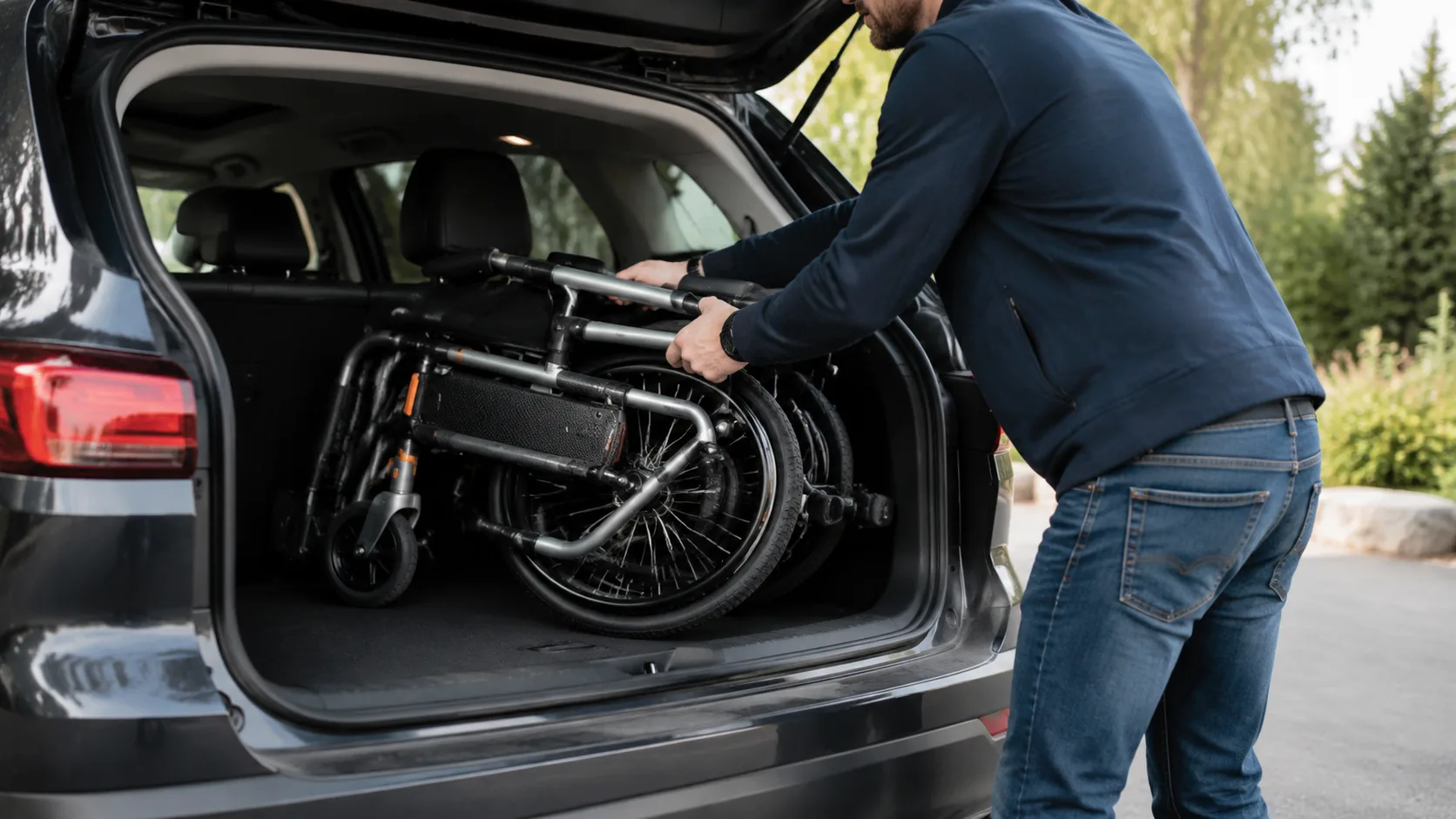
A folding electric wheelchair is attractive when users need to place the chair in a car, store it in a small apartment, or move it between home and travel destinations. Caregivers may value a design that folds without specialist tools.
Typical customers include older adults needing powered mobility for outings, families transporting a chair in a sedan or compact SUV, travelers, rental operators, and home-care buyers. For them, chair weight, folded dimensions, battery removal, and handling may matter more than maximum speed or extreme range.
When Full-Size Is the Better Fit
Full-size electric wheelchairs generally provide more room for seating adjustments and may support larger batteries, stronger motors, suspension, and higher load ratings. They can suit users who spend many hours in the chair, travel farther each day, or drive over demanding surfaces.
They may be appropriate for daily outdoor users, rehabilitation programs, users needing more postural support, routes with ramps or uneven pavement, and institutional fleets where durability and serviceability are priorities. The trade-off is transport: better outdoor capability may require more storage and a larger vehicle.
Portability Is More Than Published Weight
Ask what a stated chair weight includes. Battery, armrests, footrests, and detachable components can change the lifting experience. Compare the heaviest liftable component, battery removal method, folded dimensions, lifting points, frame balance, and whether the chair can be rolled after folding.
A folding model is easier to sell when the distributor explains the real handling sequence rather than quoting only the lightest configuration.
Seating and Daily Comfort
Compact frames can be comfortable, but check seat width, depth, backrest height, cushion thickness, armrest clearance, and footrest position together. Full-size chairs may offer more adjustment, but adjustment alone does not guarantee a good fit. Cushion, pelvic support, backrest, and user measurements must match.
B2B tip: quote the complete seating configuration, not only the bare frame. The seating package determines whether the user can remain comfortable for a full day.
Range, Motors, and Terrain
Folding models often use a lighter frame and battery sized for portability. Full-size models may carry more capacity and stronger drive components, but the additional weight affects shipping and handling. Request test conditions for user load, surface, slope, battery chemistry, tire type, temperature, and stop-start behavior.
A larger range number is not automatically more valuable. A city user may prefer a lighter chair, while a suburban user may need stronger hill performance and a larger serviceable battery.
Durability and Service Planning
Folding mechanisms add moving joints that should be inspected for wear. Full-size models may have more drive, seating, or suspension components requiring training and spare parts. Ask for folding-joint guidance, motor/controller/charger part numbers, battery replacement procedure, maintenance intervals, warranty exclusions, and service manuals.
Choose the design your technicians can support. A technically impressive chair with no parts pathway can become an expensive product to own.
Building a Balanced Product Line
|---|---|
A distributor can use both categories by separating use cases instead of forcing every customer into one frame.
Decision Framework for B2B Buyers
1. Define the route and transport method before comparing specifications.
2. Compare the heaviest liftable component, not only advertised weight.
3. Check seat dimensions with the cushion and accessories installed.
4. Request range and incline conditions so claims are comparable.
5. Map batteries, controllers, motors, and folding parts to the spare-parts plan.
6. Position each model around a clear customer use case.
FAQ
Is a folding electric wheelchair suitable for everyday use?
It can be when seat fit, load rating, range, and route match the user. Folding describes transport and storage; it does not by itself determine quality.
Are full-size electric wheelchairs more comfortable?
They often provide more seating room and adjustment options, but comfort depends on dimensions, cushion support, posture, and environment. A fitted folding model can be more comfortable than an oversized full-size chair.
Which type is easier for a distributor to sell?
Folding models are easy to explain to travel and home-care customers because portability is visible. Full-size models can be stronger in clinical and daily-use channels where seating, range, and outdoor performance matter.
The B2B Bottom Line
Folding electric wheelchairs win when portability and storage decide the purchase; full-size models win when seating, range, stability, and extended daily use matter more. Compare real handling weight, fit, test conditions, service requirements, and customer routes to reduce returns and make more credible recommendations.
**Comparing folding and full-size electric wheelchairs for your market?** [Contact the MiniElephant export team](https://www.semwheelchair.com/contact) for specifications, configuration advice, and B2B product-line planning.
Interested in MiniElephant Electric Wheelchairs?
Get a customized quotation and product recommendation from our export team. Response within 24 hours.