Electric Wheelchair for Cerebral Palsy: B2B Guide to CP Mobility
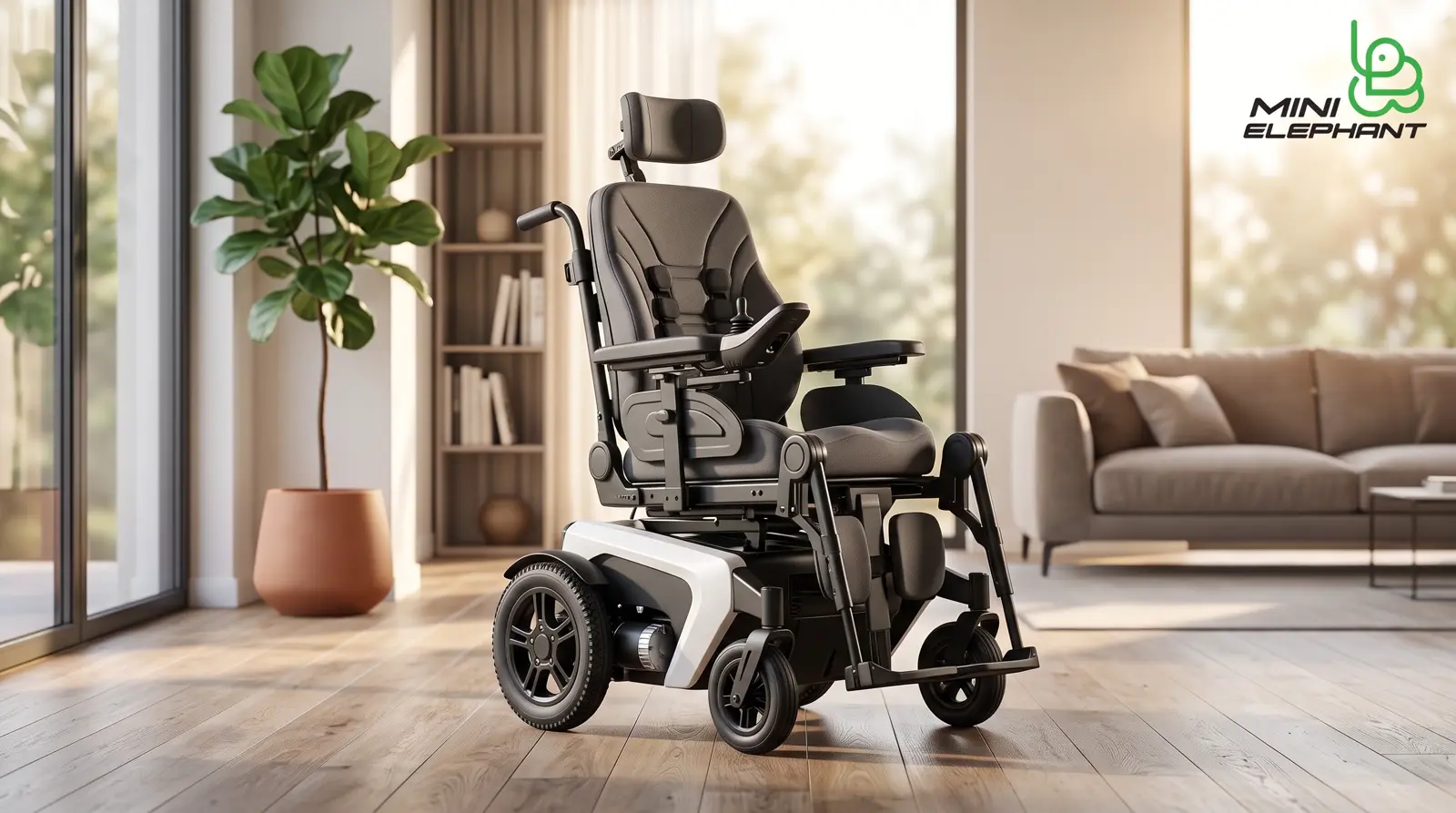
Electric Wheelchair for Cerebral Palsy: A B2B Guide to CP Mobility
Cerebral palsy (CP) is the most common childhood motor disability, affecting roughly 1 in 345 children, and most users rely on mobility equipment for life. The challenge for wheelchair suppliers is that CP is not one condition — spastic, dyskinetic, and ataxic types move, sit, and control completely differently, so the electric wheelchair must be specified around the user's movement pattern, not the diagnosis alone. This guide covers the seating, positioning, control, and growth features that define a CP-ready electric wheelchair, with a practical framework for B2B buyers.
Background: Why CP Users Need a Different Wheelchair Conversation
CP is a group of permanent disorders of movement and posture caused by damage to the developing brain. It does not progress, but it does change how the body responds to gravity, effort, and time. Three movement types dominate:
- Spastic CP (about 75-80% of cases) — increased muscle tone causes stiffness, tight joints, and involuntary resistance to movement. Spasticity can pull the body into asymmetrical postures and make sitting unstable.
- Dyskinetic CP — involuntary, uncontrolled movements (dystonia and athetosis) that can throw the body against the seat and interfere with joystick control.
- Ataxic CP — problems with balance and coordinated movement, making fine motor tasks like steering a joystick difficult.
The practical consequence: two users with the same CP diagnosis may need completely different seating and control packages. One needs aggressive lateral support and a damped joystick; another needs head-array control and a tilt seat for involuntary movement. B2B buyers must learn to read movement patterns, not just diagnosis codes.
The Seven Features That Define a CP-Ready Electric Wheelchair
|---------|-----------------------------|
The seating package is the make-or-break component. A CP user with strong extensor tone will fight a flat, unsupported seat. Pelvic positioning and lateral supports are clinical requirements, and they must be adjustable because the user's tone and size change over time.
Postural Support: The Clinical Core for CP
CP users often sit for long hours with abnormal muscle tone pulling against gravity. The seating system's job is to give the body a stable, aligned base:
- A firm seat base with a pelvic belt or hip guides keeps the pelvis from sliding forward or rotating — the foundation of every other postural adjustment.
- Lateral trunk supports counter the leaning and involuntary sway that spastic and dyskinetic movements cause.
- Knee and ankle positioning — abductor wedges, footplates, and calf supports — manage the extensor patterns that push the body forward out of the seat.
- Tilt-in-space is especially valuable for CP: tilting the whole seat 30-45 degrees redistributes pressure, reduces extensor tone, and lets the user rest without transferring.
- Adjustable head support protects neck position for users with limited head control and provides a stable base for head-array controls.
B2B tip: verify that positioning hardware can be re-angled and re-positioned on the frame. CP users change — their tone changes with growth, medication, and therapy — and the seating system must change with them, ideally without ordering new frame parts.
Drive Systems and Control for CP Users
The right control method depends on the user's movement control:
- A damped or guarded joystick helps users with tremors or involuntary hand movement. Some controllers accept adjustable dead zones and gain, so small involuntary movements do not translate into steering input.
- Head-array controls work for users with good head control but limited hand function — common in dyskinetic CP.
- Single-switch scanning suits users with very limited voluntary movement; a switch is pressed to scan through options.
- Attendant control is essential in the early years and for safety — a caregiver remote or second joystick lets a parent or therapist take over during transport, in crowds, or when the user is fatigued.
Programmable speed and acceleration are clinical tools, not accessories. A therapist should be able to set gentle ramp-up for a user with spastic startle responses, or a high dead zone for a user with tremor. Ask the supplier how much of the drive behavior is field-programmable.
Sizing and Growth: Planning for Years of Use
CP is a lifelong condition, and the wheelchair will be re-specified many times. The initial purchase should maximize the useful life:
1. Choose the widest useful seat width within the user's postural support needs — replacing a chair because the seat is too narrow is the most common premature-replacement reason.
2. Verify seat depth adjustment — 5-8 cm of seat depth growth is typical for pediatric and adolescent models.
3. Check backrest height adjustment for trunk growth and changing tone.
4. Confirm hardware modularity — can pelvic, trunk, and head supports be swapped without replacing the frame?
Safety and Daily Living Features
- Anti-tip casters are mandatory, especially for users with involuntary movement that shifts weight suddenly.
- Seat belts and positioning belts with child-safe quick-release buckles.
- IP-rated connectors and wipeable upholstery — CP users may drool, spill, or require frequent cleaning; hygiene specs matter in real use.
- Low-profile electronics — controllers and batteries positioned to keep the center of gravity low and stable during involuntary movement.
Decision Framework for B2B Buyers
1. Assess the movement pattern, not just the diagnosis. Ask whether the user is spastic, dyskinetic, or ataxic — and how tone changes with fatigue, medication, or the time of day.
2. Spec the seating package before the drive system. Pelvic positioning, lateral supports, and tilt are what make the chair usable; speed and range are secondary.
3. Verify controller tuning options. Dead zone, gain, ramp-up, and alternative input methods must be field-programmable by a therapist or technician.
4. Confirm growth adjustability for pediatric and adolescent users — seat width and depth ranges, backrest height, and modular hardware.
5. Request clinical reference customers. A supplier who can put you in touch with a CP seating clinic or an experienced assistive technology professional is worth more than any brochure.
FAQ: Electric Wheelchair for Cerebral Palsy
Q: Can a child with cerebral palsy use a standard joystick electric wheelchair?
A: Sometimes — but only with controller tuning. Users with tremor or involuntary movement benefit from a damped joystick with adjustable dead zone and gain, and some need head-array or switch controls instead. The controller platform must accept these options.
Q: Why is positioning hardware more important than speed for CP users?
A: Abnormal muscle tone pulls the body out of alignment, causing discomfort, pressure risk, and long-term skeletal issues. Pelvic positioning, lateral supports, and tilt keep the body stable and aligned — without them, no amount of drive power delivers usable independence.
Q: Is tilt-in-space really necessary for CP users?
A: For many, yes. Tilting the seat redistributes pressure, reduces extensor tone, and lets the user rest without transferring. It is one of the most frequently prescribed seating features for CP by assistive technology professionals.
Q: What is the most common mistake when sourcing wheelchairs for CP?
A: Matching the chair to the diagnosis instead of the movement pattern. Two users with the same CP label can need opposite seating and control packages. Assess tone, posture, and control first — the diagnosis is only the starting point.
The B2B Bottom Line
The cerebral palsy segment rewards suppliers who understand movement, not just mobility. Postural support that stabilizes against involuntary movement, controllers that can be tuned to the user's control quality, and sizing that grows with the user turn a wheelchair prescription into a decade of clinical trust. Distributors who master CP seating build referral networks through therapists and clinics that no price competition can erode.
**Building an adaptive mobility line for cerebral palsy and complex seating needs?** [Contact the MiniElephant export team](https://www.semwheelchair.com/contact) for modular positioning hardware, programmable controller platforms, and tilt-in-space configurations on the MiniRedone series for B2B partners.
Interested in MiniElephant Electric Wheelchairs?
Get a customized quotation and product recommendation from our export team. Response within 24 hours.