Electric Wheelchair for Muscular Dystrophy: B2B Guide to MD Mobility
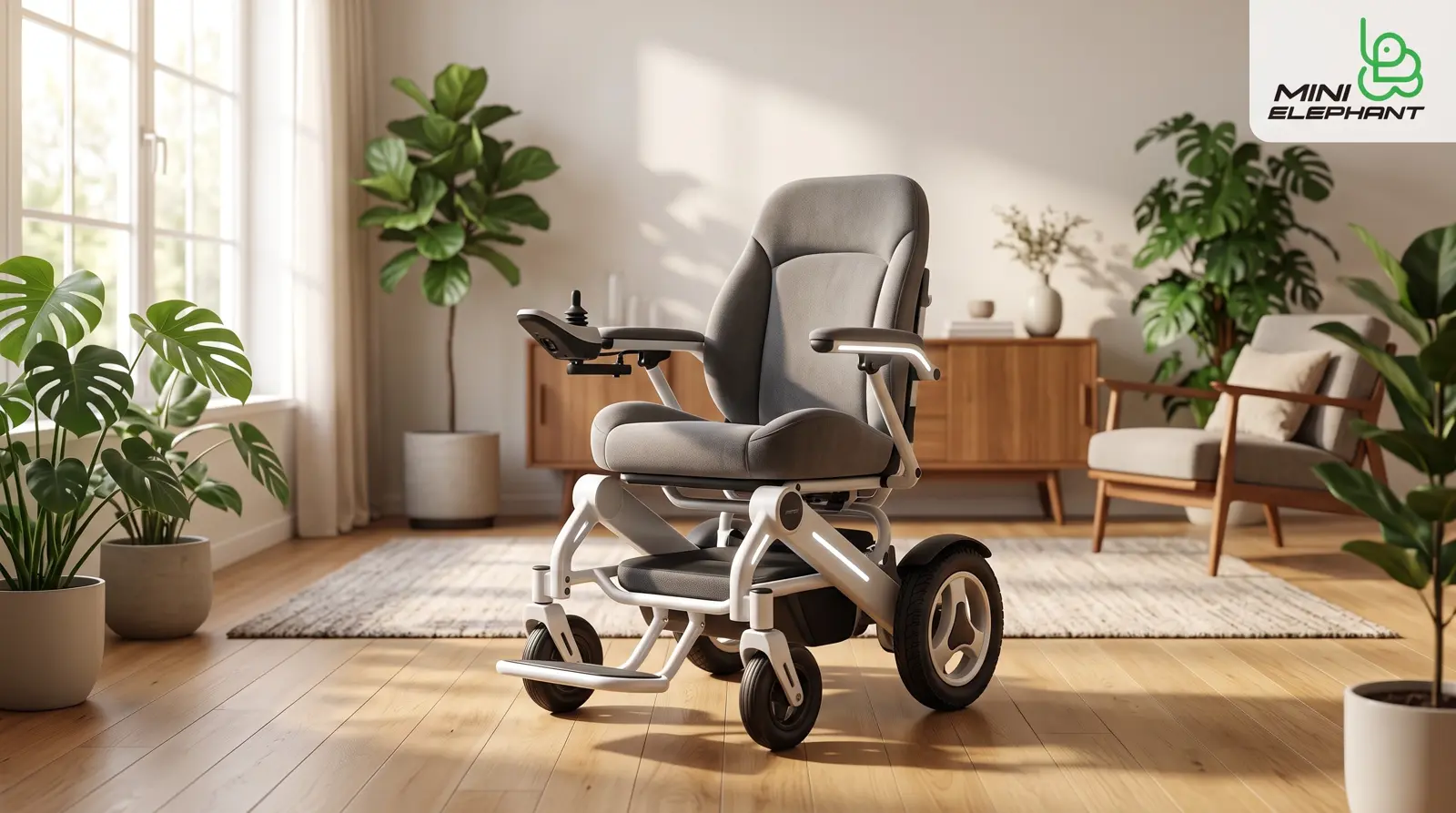
Electric Wheelchair for Muscular Dystrophy: A B2B Guide to MD Mobility
Muscular dystrophy (MD) is a group of progressive genetic conditions that weaken the muscles used for walking, sitting, reaching, and breathing — and unlike many mobility conditions, the needs change constantly as strength declines. A wheelchair chosen for a teenager with Duchenne MD will be re-specified several times as posture changes, grip weakens, and fatigue deepens. This guide reviews the features an electric wheelchair needs for MD users — alternative controls, tilt and recline seating, lightweight folding design, and caregiver support — so B2B buyers can serve a segment that values durability, adjustability, and clinical trust over price.
Background: Why Muscular Dystrophy Users Need a Different Wheelchair Conversation
MD is an umbrella term covering dozens of genetic conditions — Duchenne, Becker, limb-girdle, facioscapulohumeral, and myotonic dystrophy among them. What they share is progressive muscle weakness: muscle fibers break down faster than the body can repair them, and strength, endurance, and motor control decline over time.
Three characteristics define the MD mobility market:
1. Progressive change is the design requirement. Duchenne MD is usually diagnosed by age 5, with powered mobility introduced around age 8-10, and by the teens most boys need full postural support. A wheelchair that cannot be re-configured as posture changes will be replaced prematurely.
2. Weak grip changes the control question. Fine hand control declines, so joysticks must be light-touch, damped, or replaced with alternative input — head arrays, switches, or chin controls.
3. Fatigue and respiratory involvement shape seating. Weak trunk muscles cause leaning and scoliosis; weak respiratory muscles mean the chair may need to support a ventilator or recline positions that ease breathing.
B2B implication: MD customers are typically funded by insurance, government programs, or disease associations, and they stay with a supplier who can adapt the chair as the condition evolves. The relationship is measured in years, not transactions.
The Seven Features That Define an MD-Ready Electric Wheelchair
|---------|-----------------------------|
The control platform is the make-or-break component. An MD user may drive a joystick confidently at diagnosis and lose fine hand control within a few years. A wheelchair whose controller accepts a light-touch joystick now and a head array later turns one purchase into a decade of service.
Seating and Positioning: The Clinical Core for MD
MD users sit for long hours with trunk weakness pulling against gravity, and the seating system must do the postural work the muscles no longer can:
- A firm, contoured seat base keeps the pelvis stable and provides the foundation for every other adjustment.
- Lateral trunk supports counter leaning and help delay the scoliosis that weak trunk muscles cause.
- Tilt-in-space (30-45 degrees) redistributes pressure, calms fatigue, and lets the user rest without transferring — a clinical staple for MD seating.
- Recline with head support changes the seat-to-backrest angle for breathing comfort, feeding, and rest. It is especially valuable for users with respiratory muscle weakness.
- Pressure-relief cushioning is mandatory; reduced mobility and sensation changes raise pressure injury risk.
B2B tip: verify that positioning hardware — hip guides, trunk supports, headrests — is adjustable and swappable on the same frame. MD users change continuously, and modular seating hardware is what lets one chair serve years of change.
Controls and Drive Systems for Declining Strength
The right control system depends on the stage of the condition:
- Light-touch, progressive joysticks respond to gentle pressure and suit users with reduced hand strength. Ask for the operating-force specification.
- Damped joysticks with adjustable dead zones help users with tremor or unsteady hand control drive without accidental input.
- Head-array controls use proximity sensors and suit users who retain head control after hand function declines.
- Single-switch scanning works for users with very limited voluntary movement — a chin, a finger, or a toe.
- Attendant control is essential for transport, crowded spaces, and times when the user is too fatigued to drive.
B2B tip: sell the controller platform, not the input method. A programmable controller that accepts a joystick, a head array, or switch input on the same unit lets the chair adapt to the user's changing abilities — and keeps the service relationship with your team.
Lightweight Design: A Practical Advantage for MD Families
MD affects children and young adults, and families transport them constantly — to school, clinic appointments, therapy, and family outings. Lightweight construction is not a luxury:
- A folding electric wheelchair under 50 kg fits in a standard car trunk, removing the need for a wheelchair-accessible van.
- Tool-free folding reduces setup time and caregiver strain at every journey end.
- A removable battery lifts out for charging at bench height, avoiding awkward floor-level plugging.
- A model that can be pushed in manual mode (freewheel disengagement) gives caregivers a fallback when the battery is low or the user prefers to rest.
Respiratory Equipment and Caregiver Features
As MD progresses, respiratory support becomes common — non-invasive ventilation, oxygen, or a ventilator. The wheelchair should plan for it:
- Ventilator tray or mounting plate on the backrest or under the seat, sized for the user's device.
- Oxygen tank holder with a secure strap that does not block transfers.
- Battery capacity for accessories — a ventilator draws power continuously; confirm whether the chair battery or the ventilator's own battery supplies it.
- Push mode, flip-back armrests, and swing-away footrests reduce caregiver effort during transfers and daily setup.
Decision Framework for B2B Buyers
1. Confirm controller programmability first. If the factory cannot support light-touch, head-array, or switch input on the same platform, the model cannot grow with the user.
2. Verify tilt and recline availability. These are the positioning features clinicians prescribe most often for MD; confirm them as standard configurations with the load rating you need.
3. Check seat width and depth ranges. MD users can change body composition over the disease course; a model with width options and adjustable seat depth is safer to prescribe.
4. Prioritize lightweight folding design for pediatric and young-adult users who travel between school, clinics, and home.
5. Request clinical reference customers. A supplier who can connect you with an MD clinic or a satisfied family is worth far more than a brochure.
FAQ: Electric Wheelchair for Muscular Dystrophy
Q: Can a child with muscular dystrophy use a standard electric wheelchair?
A: Often, but only with the right control and seating package. Light-touch joysticks, lateral trunk supports, and tilt-in-space are the features that make a chair usable for an MD child — and the controller platform must accept alternative inputs as hand function declines.
Q: Why is a lightweight folding electric wheelchair recommended for MD?
A: Families transport MD users constantly — to school, therapy, and clinics. A chair under 50 kg fits in a car trunk and can be lifted by one caregiver, reducing dependence on wheelchair-accessible vans and making daily life dramatically easier.
Q: What is the most common mistake when sourcing wheelchairs for MD?
A: Buying for today's abilities instead of the progression ahead. A wheelchair with a fixed control method and non-modular seating will need replacing as the condition advances. Spec the controller platform and seating hardware for change.
Q: Is the MD electric wheelchair market worth serving?
A: Yes, for distributors already serving clinical mobility. The segment is funded, loyal, and low price-sensitivity, and one satisfied family or clinic generates referrals that compound for years.
The B2B Bottom Line
Muscular dystrophy rewards suppliers who plan for change: a programmable controller platform, modular positioning hardware, tilt and recline seating, and lightweight folding design turn one wheelchair prescription into years of adjustments, upgrades, and clinical trust. Distributors who master MD mobility build referral networks through clinics and disease associations that no price competition can erode.
**Building a powered mobility line for muscular dystrophy and progressive conditions?** [Contact the MiniElephant export team](https://www.semwheelchair.com/contact) for programmable controller platforms, tilt and recline configurations, and lightweight folding models on the MiniRedone series for B2B partners.
Interested in MiniElephant Electric Wheelchairs?
Get a customized quotation and product recommendation from our export team. Response within 24 hours.