Electric Wheelchair for Children: Pediatric Mobility Buying Guide
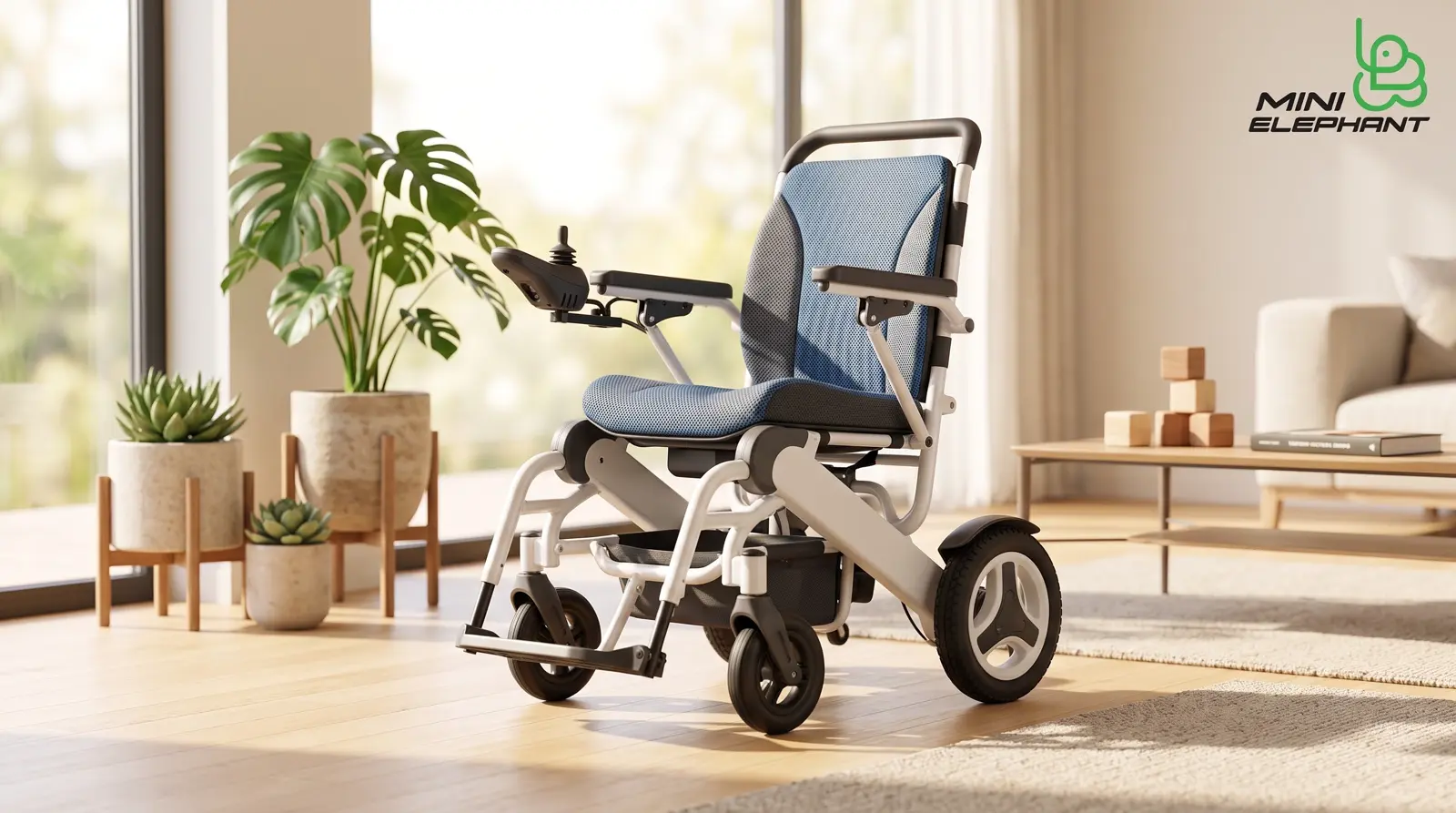
Electric Wheelchair for Children: A B2B Guide to Pediatric Mobility
A child who needs an electric wheelchair does not "grow out" of the need — the child grows inside the wheelchair. Pediatric powered mobility is a distinct product category: seats and frames must expand as the child grows, postural support must protect development rather than simply hold position, and safety systems must tolerate drivers who are still learning judgment. This guide reviews the features that define a pediatric electric wheelchair — adjustable sizing, positioning hardware, control options, and transport safety — so B2B buyers can serve the pediatric segment without treating it as an afterthought of the adult range.
Background: Why Pediatric Electric Wheelchairs Are a Separate Market
An estimated 1 in 500 children lives with a condition that affects mobility — cerebral palsy, spina bifida, muscular dystrophy, spinal cord injury, or other neuromuscular conditions. Many of these children use a powered wheelchair from as young as 3 to 5 years old, often for the rest of their lives.
Three characteristics make the pediatric market different:
1. Growth is a design requirement. An adult wheelchair is sized once. A pediatric wheelchair must accommodate years of growth — seat depth, backrest height, footplate, and armrests all need expansion ranges, because replacing a $3,000 chair every 18 months is neither affordable nor clinically sensible.
2. Positioning shapes development. For a growing child, seating is not just comfort. Proper pelvic positioning, trunk support, and head control influence bone alignment, respiratory function, and the ability to use hands and eyes for learning. Poor seating can cause scoliosis and pressure issues that last into adulthood.
3. Funding is structured and recurring. In most developed markets, pediatric mobility is funded through insurance, government wheelchair services, or children's hospitals, with regular reassessments. A distributor who wins a child's first prescription keeps the growth adjustments, the upgrades, and eventually the adult chair.
B2B implication: the pediatric sale is a multi-year relationship disguised as a single unit sale. The supplier's willingness to support growth adjustments and reconfigurations matters more than the initial price.
The Seven Features That Define a Pediatric-Ready Electric Wheelchair
|---------|-----------------------------|
The sizing range is the make-or-break spec. Before comparing colors or speed, ask the supplier how much seat depth and backrest growth each model supports. A chair that expands two sizes saves the family a full replacement and keeps the child in a familiar, well-fitted seat.
Seating and Positioning: The Clinical Core for Children
Children spend long hours in their wheelchair — at school, at home, and in transit — often with limited ability to reposition themselves. The seating system must therefore do more work than an adult chair:
- A firm, flat seat base provides the stable foundation that postural development needs. Soft, hammock-style seats let the pelvis sink and rotate, encouraging poor alignment.
- Pelvic positioning — a pelvic belt, hip guides, or a sub-ASIS bar — keeps the pelvis stable so the spine can develop in alignment.
- Lateral trunk supports counter the leaning that weak trunk muscles cause, especially during growth spurts when coordination lags.
- Head support is essential for children with reduced neck control, and must be adjustable as the child grows.
- Tilt-in-space (25-45 degrees) redistributes pressure, supports resting, and helps with feeding and breathing comfort without a transfer.
B2B tip: ask whether the seating hardware — hip guides, trunk supports, headrests — can be swapped as the child grows, or whether they are molded into the frame. Modular seating hardware turns a one-size chair into a decade-long product.
Drive Systems and Controls for Young Drivers
Children become confident drivers when the chair is forgiving:
- Proportional joysticks respond to how far the joystick is pushed, giving children graduated control they can learn. Non-proportional switches teach only "on/off" and are harder to master.
- Programmable speed and acceleration limits let a clinician start the child slow and increase limits as skills improve. This is a clinical feature, not a toy setting.
- Attendant control — a second joystick or remote on the backrest — lets a parent or therapist drive during transport, teaching, or when the child is tired.
- Switch and head-array options serve children who cannot operate a hand joystick; the same controller platform should accept them later if the child's function changes.
B2B tip: sell the controller platform, not the joystick. A programmable controller that accepts proportional joystick now and switch input later lets the chair adapt to the child's changing abilities — and keeps the service relationship with your team.
Safety Features That Matter for Pediatric Use
- Anti-tip casters front and rear on mid-wheel drive models protect against tipping during turns and on slopes.
- Seat belts and pelvic belts with quick-release buckles are mandatory; check that the belt system is designed for children, not a re-used adult belt.
- Low maximum speed settings that a clinician can lock — many pediatric programs cap the chair at 4-6 km/h indoors during the learning phase.
- Durable, easy-to-clean surfaces — children spill, and school environments are hard on equipment. Sealed joysticks and wipeable upholstery are practical specs.
- IP-rated connectors protect against the rain, spills, and the occasional hose-down that pediatric life delivers.
Transport and Lightweight Considerations
Pediatric chairs travel: to school, to therapy, to the park. Consider:
- Folding or quick-disconnect designs that fit in a family car. A chair that requires a van limits the family's life.
- Weight under 50 kg where possible so one parent can lift the chair into a trunk.
- Crash-tested transport options — check whether the manufacturer offers a transit-secured configuration with four-point tie-down, used on school buses.
Decision Framework for B2B Buyers
1. Measure the growth plan first. Ask for the seat depth and backrest height range, and map them against the child's expected growth over 3-5 years.
2. Verify modular seating hardware. Pelvic guides, trunk supports, and headrests should be adjustable and replaceable without replacing the frame.
3. Confirm controller programmability. Can speed, acceleration, and input method be adjusted by a clinician after delivery?
4. Check attendant control availability. Caregiver override is a safety and usability feature that parents will ask about in the first week.
5. Request pediatric reference customers. A supplier who can connect you with a children's wheelchair service or a satisfied family is far more credible than one who only sends adult-market datasheets.
FAQ: Electric Wheelchair for Children
Q: At what age can a child use an electric wheelchair?
A: Many pediatric programs introduce powered mobility from age 3-5, when the child shows the cognitive readiness to steer and stop on command. The chair's speed and acceleration limits should be set conservatively at first and increased as skills develop.
Q: How long does a pediatric electric wheelchair last?
A: With proper growth adjustments, a quality pediatric chair typically serves 5-8 years — and some serve into the teen years before a full adult-size replacement. Growth range and modular seating are what make that lifespan possible.
Q: Is a pediatric electric wheelchair covered by insurance?
A: In most developed markets, yes — through insurers, government wheelchair services, or children's hospitals, with formal assessments by occupational therapists and seating clinics. The recurring reassessment cycle makes pediatric customers loyal, multi-year accounts.
Q: What is the most common mistake when buying a pediatric electric wheelchair?
A: Buying on the child's current size instead of the growth range. A chair that fits perfectly today but cannot expand seat depth, backrest height, or footplate will need replacing prematurely — the most expensive mistake in pediatric mobility.
The B2B Bottom Line
The pediatric electric wheelchair market rewards suppliers who understand that they are selling a decade of growing independence, not a single product. Growth-adjustable sizing, modular positioning hardware, programmable controls, and transport-friendly design turn one prescription into years of adjustments, upgrades, and referrals from therapists and families alike. Distributors who build pediatric capability early position themselves for a lifetime of customer relationships.
**Building a pediatric powered mobility line?** [Contact the MiniElephant export team](https://www.semwheelchair.com/contact) for grow-with-the-child sizing, modular seating options, and programmable controller platforms on the MiniRedone series for B2B partners.
Interested in MiniElephant Electric Wheelchairs?
Get a customized quotation and product recommendation from our export team. Response within 24 hours.