Electric Wheelchair Seating Comparison: Cushions, Width and Comfort
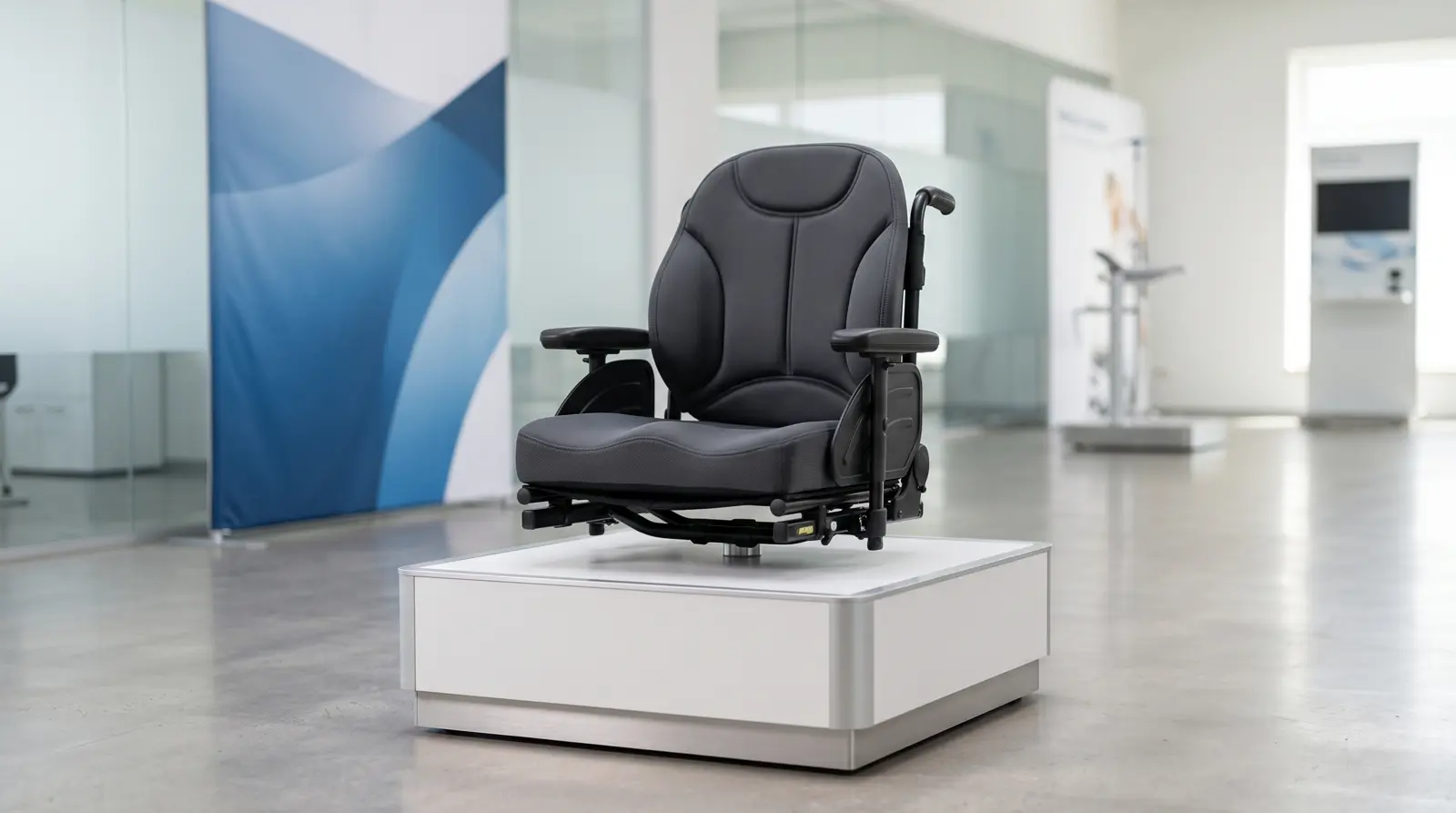
Electric Wheelchair Seating: The Spec That Sells or Fails
If you are sourcing an electric wheelchair for resale, seating comfort is the single most common reason end users keep or return the product. A powerful motor and long battery range win the brochure war, but the seat decides the daily experience. In this comparison we evaluate how leading electric wheelchair manufacturers handle cushioning, seat width, backrest geometry, and adjustability, so B2B importers can match product lines to customer needs without over-specifying.
Background: Why Seating Drives the Electric Wheelchair Market
Industry data shows that pressure sores affect a significant share of long-term wheelchair users, and discomfort is one of the top three causes of wheelchair abandonment. For an electric wheelchair used 8-12 hours per day, the seating system is the main contact point between user and machine. Distributors who underestimate this spec end up with higher return rates and more warranty claims on cushions and upholstery.
Evaluation Criteria for Electric Wheelchair Seating
We compared seating systems across five factors that matter to B2B buyers:
|-----------|---------------|--------|
Cushion Types Compared: Foam, Gel, Air and Hybrid
Memory foam cushions are the baseline for most electric wheelchair models. They are affordable, lightweight, and hold their shape for 2-3 years of daily use. However, 40-60mm of standard foam provides only moderate pressure relief, so manufacturers aiming at higher price points add gel or air layers.
Gel cushions distribute pressure better than plain foam and resist bottoming out. They are heavier and cost 30-50% more than foam-only options, but they suit users with limited sensation or prolonged sitting. In our review, gel-topped seats were standard on electric wheelchair models priced above the entry tier.
Air-cell cushions offer the best adjustable pressure relief because the user can fine-tune firmness. The trade-off is maintenance: air bladders can leak, and caregivers must check pressure weekly. Air systems appear mainly on premium electric wheelchair lines and rehab seating.
Hybrid designs (foam core plus gel insert or air cell) are the fastest-growing segment in the electric wheelchair market because they balance comfort, weight, and service life. Most 2026 electric wheelchair catalogs we reviewed include at least one hybrid seating option.
Seat Width and Frame Fit
Standard electric wheelchair seat widths range from 380mm to 520mm in 20-40mm increments. The most commonly ordered sizes are 420mm and 460mm, which fit the majority of adult users. Extra-wide electric wheelchair models reach 560mm for bariatric needs, typically paired with reinforced frames and larger motors.
Ordering the right width matters more than cushion choice. A seat 20mm too narrow creates pressure points at the hips; a seat 20mm too wide causes instability and posture drift. Reliable electric wheelchair suppliers publish a width-to-user-hipline chart, and good importers ask for it before placing volume orders.
Backrest Height and Recline Options
Standard backrests on electric wheelchair models measure 400-500mm and suit users with good trunk control. High-back electric wheelchair configurations (550-600mm) support users with weaker posture and are common in elderly-care and rehabilitation segments. Adjustable recline, where available, shifts pressure between the seat and backrest and is a differentiator on premium electric wheelchair units.
Adjustability: The Hidden Differentiator
|---------|-------------|-----------|---------|
Adjustable components reduce the fit risk that causes returns. An electric wheelchair with height-adjustable armrests and swing-away footrests can serve a wider range of users from one stock-keeping unit, which lowers inventory complexity for importers.
Seating Specs by Electric Wheelchair Category
Typical seating specifications vary by product category, and importers should compare like with like:
|----------|-------------------|---------|----------|----------|
A lightweight portable electric wheelchair and a heavy-duty model solve different seating problems. Expect a 200-400mm range difference in backrest options and a 60-100% difference in cushion cost between entry and premium electric wheelchair tiers. Matching the category to the user profile prevents both over-specification (wasted margin) and under-specification (returns).
Practical Decision Framework
Use this checklist when comparing electric wheelchair seating specifications from different factories:
1. Define the target user group first - elderly users need high-back and easy transfer; younger active users prioritize lightweight adjustability.
2. Compare cushion layers at the same price point - a gel-topped electric wheelchair usually justifies a 10-15% premium over foam-only.
3. Check seat width steps offered - suppliers offering at least 3 widths serve more customers from one platform.
4. Request upholstery specs - waterproof, wipe-clean covers are decisive for care-home and hospital channels.
5. Ask about spare cushion availability - cushions wear faster than motors; easy re-supply protects your after-sales reputation.
The bottom line: an electric wheelchair with a well-designed seating system costs more up front but returns fewer units, generates better reviews, and builds distributor trust faster. In our comparison across major manufacturers, seating quality was the strongest single predictor of user satisfaction scores.
FAQ
Q: What is the best cushion material for an electric wheelchair?
A: For most users, a gel-topped or hybrid cushion offers the best balance of comfort, weight, and durability. Air-cell cushions provide the highest adjustable pressure relief but require more maintenance.
Q: How do I choose the right electric wheelchair seat width?
A: Measure the user hip width and add 20-40mm of clearance. The most common electric wheelchair widths are 420mm and 460mm; choose extra-wide models only when the user genuinely needs them.
Q: Do high-back electric wheelchair models really improve comfort?
A: Yes, for users with limited trunk control. High-back configurations (550-600mm) reduce fatigue and improve posture, which is why they dominate elderly-care segments.
Q: Is an adjustable electric wheelchair worth the extra cost?
A: If you serve multiple user profiles, yes. Height-adjustable armrests and swing-away footrests let one electric wheelchair model fit a wider range of users, reducing the number of stock-keeping units an importer must hold.
Q: How often should electric wheelchair cushions be replaced?
A: Foam cushions typically last 2-3 years of daily use; gel and hybrid cushions last 3-5 years. Replace when the cushion visibly loses shape or the user reports new pressure points.
Interested in MiniElephant Electric Wheelchairs?
Get a customized quotation and product recommendation from our export team. Response within 24 hours.