Electric Wheelchair Container Loading Guide for B2B Importers
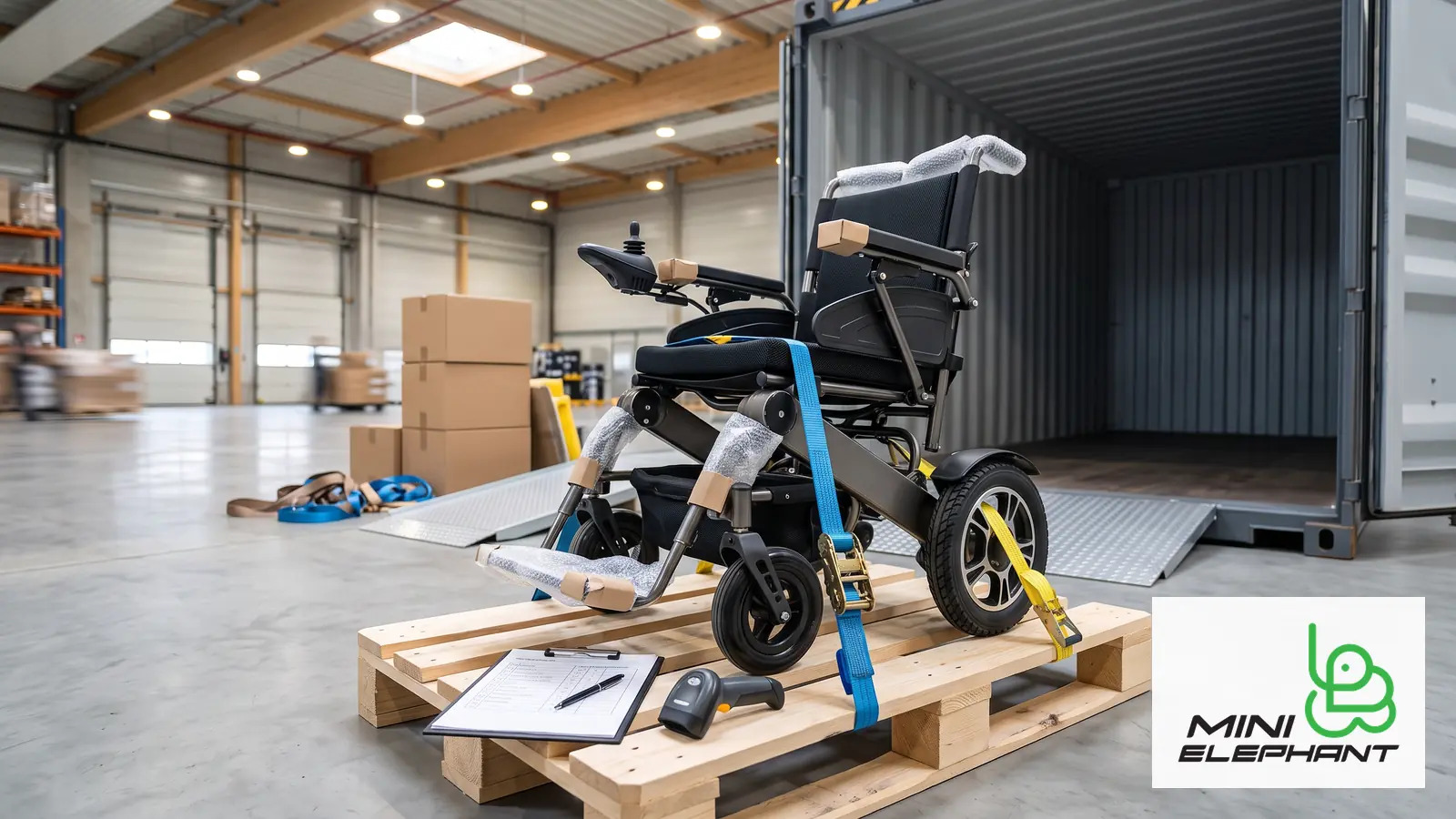
Electric Wheelchair Container Loading: A B2B Planning Guide
A reliable electric wheelchair container plan starts with confirmed export-carton dimensions and gross weight, then accounts for battery documentation, loading pattern, accessories, inspection access, and the destination's freight requirements. Importers should not make a purchase decision from a rough “units per container” claim. The practical capacity can change when the approved configuration, carton revision, pallet policy, or required spare-parts cartons change.
For distributors, care-equipment dealers, and project buyers, container planning is both a logistics exercise and a margin-control exercise. A shipment that arrives with damaged cartons, incomplete battery documents, or insufficient parts can cost far more than the apparent savings from filling a few additional spaces.
Start With the Approved Packed Specification
Ask the supplier for the current packing list for the exact wheelchair configuration being quoted. The key fields are:
- Export carton length, width, and height
- Net and gross weight per carton
- Number of cartons per wheelchair, if batteries or accessories are packed separately
- Whether the chair is folded, partially assembled, or fully assembled in the carton
- Pallet dimensions and palletized height, if pallets are required
- Carton markings, model codes, and serial-number handling
This information must relate to the final model, seating width, battery selection, headrest, footrests, and controller configuration. A standard carton can differ from the carton for a larger seat, reclining back, elevated leg rest, or upgraded battery. Request a dated packing specification rather than using an old quotation or a photograph from a previous shipment.
Calculate Capacity as a Range, Not a Promise
Container capacity is normally expressed as a planning estimate. Build a conservative range for 20-foot, 40-foot, or 40-foot high-cube containers using the supplier's carton data, then reserve room for practical loading constraints.
The theoretical volume calculation is useful, but it is not the final answer. Cartons must fit the container width and door opening, stack safely, and leave no unstable voids. Gross weight limits, floor loading, mixed product cartons, desiccants, loading materials, and inspection needs can reduce usable capacity. If the order includes sample units, repair parts, chargers, brochures, or display stands, add them to the loading plan early.
A good supplier can provide a carton-layout proposal or loading diagram. Importers should check whether the diagram shows a real packing pattern rather than a simple volume division. When the purchase is commercially important, ask for photos of a comparable loading or arrange a pre-shipment inspection.
Confirm the Battery Shipping Path Before Booking
Most electric wheelchairs use lithium-ion batteries, so battery transport compliance is a core shipping question. The applicable documents and carrier acceptance rules depend on the battery type, rating, packing method, route, and transport mode. Do not assume every battery can travel under the same booking conditions.
Before production is complete, confirm with the supplier and freight forwarder:
1. The battery chemistry, rated watt-hours, quantity, and whether the battery is installed or packed separately.
2. Available test reports and transport documents, including UN38.3 documentation where applicable.
3. Required labels, marks, packing instructions, and dangerous-goods declaration process for the selected route.
4. Whether the forwarder and carrier will accept the shipment as booked.
5. Any destination-country import, recycling, or extended-producer-responsibility requirements.
Documentation should match the goods actually shipped. A discrepancy between battery paperwork, carton labels, invoice, and physical configuration can delay release or trigger rework at the port.
Choose a Loading Method That Protects the Product
Floor-loaded containers can maximize use of space for sturdy, consistent cartons. Palletization can simplify handling, improve warehouse receiving, and reduce some damage risks, but it often reduces the number of cartons that fit. The appropriate choice depends on the product, warehouse equipment, local labor practices, and destination distribution model.
For either method, confirm corner protection, stretch wrapping, straps, dunnage, moisture protection, and weight distribution. Electric wheelchairs contain frames, motors, electronics, and seating components; carton compression or uncontrolled movement can create hidden damage. Avoid placing heavy spare-parts cartons on top of chair cartons unless the packaging design explicitly permits it.
If you are shipping to multiple dealers, consider whether destination sorting will be easier with pallet labels, purchase-order labels, or carton-level SKU markings. A loading plan should support receiving and fulfillment, not only departure-day capacity.
Build a Clear Shipment Checklist
Before booking, align the purchase order, proforma invoice, packing list, commercial invoice, labels, and freight instructions. The importer should also confirm Incoterms, named place or port, insurance responsibility, inspection timing, and who approves final loading photos.
A useful final checklist includes:
- Approved model and accessory matrix
- Carton dimensions, gross weights, and carton count
- Battery document package and carrier acceptance
- Container type, loading plan, and booking cut-off
- Spare-parts allocation and labeling plan
- Pre-shipment inspection and loading-photo requirements
- Commercial documents and destination compliance requirements
The Bottom Line
Electric wheelchair container loading should be planned from verified packaging and transport data. Treat capacity as an operational range, confirm the battery pathway early, and make the loading method fit your receiving process. With those controls in place, importers can protect product condition, avoid preventable delays, and make better use of each shipment.
Interested in MiniElephant Electric Wheelchairs?
Get a customized quotation and product recommendation from our export team. Response within 24 hours.