Folding vs Rigid Electric Wheelchairs: A B2B Comparison Guide
Folding vs Rigid Electric Wheelchairs: Compare the Complete Use Case
A folding frame and a rigid frame solve different transport, storage, and driving needs; neither is automatically the better electric wheelchair. For B2B buyers, the decision should begin with the intended user, route, vehicle, storage space, service plan, and the verified specification of the exact configuration.
This comparison guide is for distributors, importers, rental operators, and mobility retailers building an electric wheelchair range. It helps teams create a practical product matrix without turning general design differences into unsupported performance claims.
What a Folding Electric Wheelchair Can Offer
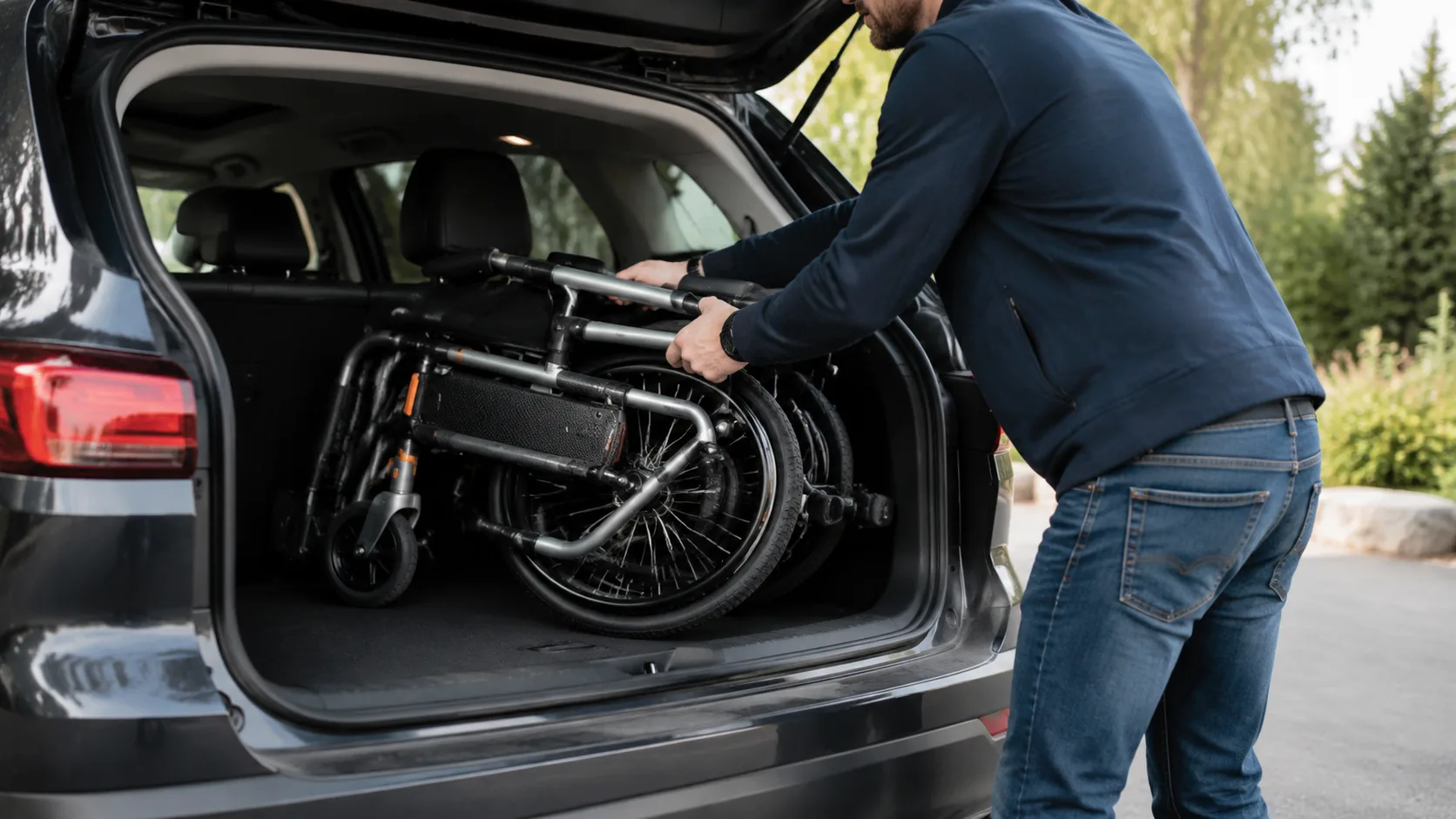
A folding electric wheelchair is designed to reduce its overall volume for storage or transport using an approved folding sequence. For customers with limited storage, frequent vehicle loading, or multi-location use, folded dimensions and handling steps can be central buying criteria.
Buyers should verify the actual folded size, total weight, heaviest component, locking method, joystick protection, battery arrangement, and the number of steps needed to prepare the chair for transport. A chair that folds may still be difficult for one person to lift, and options such as a larger battery or seating accessory can change the transport result.
What a Rigid-Frame Electric Wheelchair Can Offer
A rigid-frame platform does not rely on a folding action for its primary structure. It may be selected where the product is normally transported using a vehicle lift, ramp, or dedicated space, or where daily use prioritizes a fixed configuration and service routine.
The frame style alone does not establish ride quality, durability, range, comfort, or clinical suitability. Those outcomes depend on the specific product design, wheels, suspension where included, seating, batteries, controller settings, user load, terrain, maintenance, and the way the chair is configured.
Compare the Specifications Side by Side
Use a controlled table for the exact models under consideration. Request current information from the manufacturer and distinguish standard equipment from options.
|---|---|---|
Start With the Customer's Environment
For a distributor, the first questions should describe the customer's real environment. Is the chair stored in a small apartment, a vehicle, a care facility, or a warehouse fleet? Will it be loaded into a car, transported by accessible van, or remain in one location? Are door widths, elevator dimensions, ramp access, caregiver assistance, or charging outlets constraints?
This inquiry also prevents an unsuitable recommendation. A folding model may be a sensible choice for storage but not for an unassisted lift; a rigid model may suit a fleet environment but require a transport solution outside the facility. Verify every conclusion against the exact specification and a demonstration of the delivered configuration.
Review Setup, Handling, and Handover
The dealer handover should match the frame style. With a folding product, demonstrate the approved fold, unfold, lock, power-off, joystick protection, charging, and storage sequence. Identify which components may be removed and who can safely handle them.
With a rigid product, focus on safe entry, transfers, charging, controller use, storage position, and the vehicle or facility handling plan. Do not instruct a customer to lift by the joystick, cable, armrests, footrests, or battery leads. Follow the manufacturer instructions for the exact chair.
Plan Service Around the Product Platform
Both frame styles need a documented inspection and parts process. Folding products require regular review of folding joints, locks, cables, and alignment according to the manual. Rigid products need consistent checks of fixed frame points, wheels, seating mounts, controls, and electrical connections.
Keep the model, serial number where applicable, configuration, charger, battery, and service history on record. When a concern arises, collect photographs, video when safe, fault information, and the operating conditions before changing parts or escalating to the manufacturer.
B2B Selection Checklist
1. Define the customer's route, storage, and transport method.
2. Compare verified dimensions and weights for the exact configurations.
3. Review loading, lifting, folding, and storage tasks with the intended user or caregiver.
4. Check seating, controller, battery, and accessory effects on the chosen platform.
5. Demonstrate the approved daily-use sequence before delivery.
6. Prepare model-specific inspection and spare-parts support.
7. Avoid universal claims about comfort, range, terrain, or transport suitability.
The B2B Bottom Line
Folding and rigid electric wheelchairs should be selected as complete mobility systems, not as frame labels. Buyers who compare verified transport dimensions, daily handling, environment, configuration, and service requirements can offer customers a more suitable and supportable product choice.
**Comparing folding and rigid electric wheelchair platforms for your market?** [Contact the MiniElephant export team](https://www.semwheelchair.com/contact) for current model specifications, configuration comparisons, and B2B sourcing support.
Interested in MiniElephant Electric Wheelchairs?
Get a customized quotation and product recommendation from our export team. Response within 24 hours.