Electric Wheelchair for Stroke Survivors: Features and B2B Buying Guide
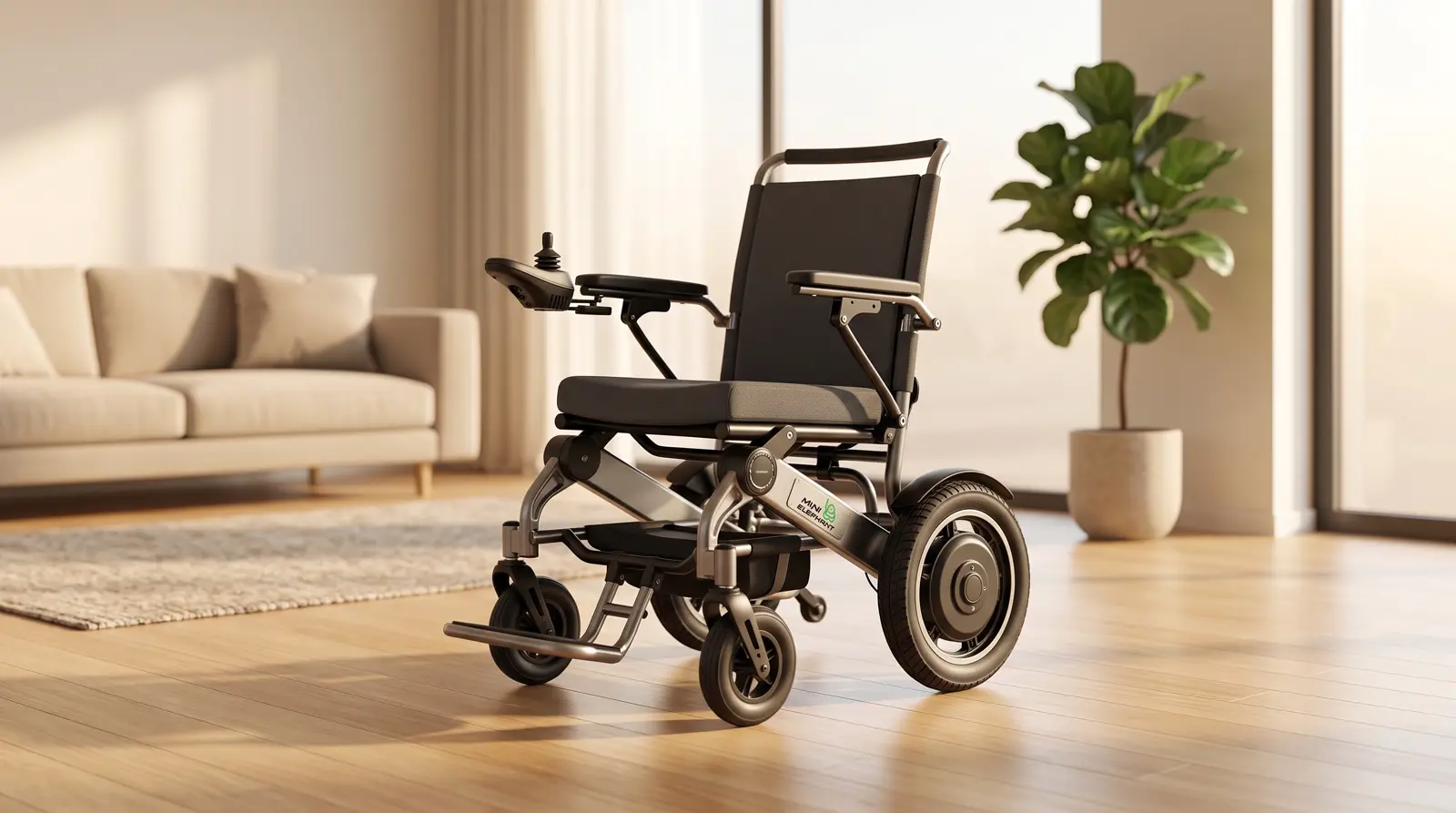
Electric Wheelchair for Stroke Survivors: The Features That Matter
Stroke is one of the world's leading causes of long-term disability, and a large share of survivors lose function on one side of the body — which changes every interaction with a wheelchair. A standard electric wheelchair designed for a user with full use of both hands can be difficult or dangerous for a hemiplegic user to operate. This guide reviews what an electric wheelchair needs to work well for stroke survivors — one-hand control, easy transfers, supportive seating, and caregiver-friendly features — so B2B buyers can stock models that genuinely serve this large and growing segment.
Background: Why Stroke Survivors Are a Core Electric Wheelchair Market
The World Health Organization reports that stroke is a leading cause of death and disability worldwide, with millions of new cases each year and millions of survivors living with permanent impairment. Hemiplegia — weakness or paralysis on one side of the body — is the most common pattern, affecting the arm, leg, and often the trunk on the affected side.
For mobility providers, stroke survivors are a durable customer segment: many need a powered wheelchair for years, families make the purchasing decision together, and the clinical need is clearly documented, which supports insurance and government funding in many markets. An electric wheelchair that is easy to operate with one hand and easy to transfer into and out of reduces the caregiver burden — the factor that often decides whether a product is actually used or abandoned.
The Seven Features That Define a Stroke-Friendly Electric Wheelchair
|---------|-------------------------------------|
The joystick is the make-or-break component. For a user with left-side weakness, the joystick must be mounted on the right; for right-side weakness, on the left. Models where the joystick can only be mounted in one position exclude half the stroke survivor market. B2B buyers should confirm the controller can be relocated or ordered in both configurations.
One-Hand Operation: What to Check
- Joystick resistance. Progressive joysticks that respond to light pressure suit users with reduced hand strength. Ask for the joystick's operating force specification.
- Drive modes. A caregiver mode that limits speed and acceleration helps new users build confidence indoors before venturing outside.
- Control placement. The joystick, power switch, and horn should all be reachable with one hand without leaning — leaning shifts weight and destabilizes the chair.
- Braking. Automatic electromagnetic brakes that engage when the joystick is released are essential; a user with one functional hand cannot grab a manual brake lever safely.
Transfers: The Daily Bottleneck
Most stroke survivors transfer between the wheelchair and a bed, chair, or commode multiple times a day, usually with caregiver assistance. Three specs decide how smooth that process is:
1. Swing-away or removable footrests. A fixed footplate forces the user to step over or be lifted over it. Swing-away footrests clear the way for a lateral transfer from the unaffected side.
2. Flip-back or removable armrests. An armrest that cannot be moved is a physical barrier during transfer. This feature is common on mid-range and premium electric wheelchairs but rare on entry models.
3. Seat height and cushion firmness. A seat height close to the user's bed or sofa height minimizes the vertical lift the caregiver must provide. A firm cushion that does not sink under load also makes transfers more predictable.
Recommendation for B2B buyers: for this segment, prioritize transfer-friendly features over cosmetic upgrades. A stroke survivor's family will choose the chair that is easiest to get in and out of, even if it has fewer gadgets.
Seating and Posture Support
Hemiplegia often includes shoulder drop and trunk weakness on the affected side, which can cause leaning and pressure asymmetry:
- Lateral trunk supports keep the user upright and reduce the risk of leaning into one side.
- A contoured seat cushion distributes pressure evenly; gel or hybrid cushions are preferable for users who sit for long periods with limited ability to shift weight.
- Headrest support matters for survivors with trunk instability, especially during transfers or on uneven ground.
- Recline or tilt-in-space allows caregivers to change pressure distribution without lifting the user — a premium feature with real clinical value for this segment.
Caregiver-Friendly Design
Stroke survivors frequently drive independently but rely on caregivers for transfers, setup, and charging. Features that reduce caregiver workload become selling points:
- Push-mode operation. A manual push mode with freewheel disengagement lets caregivers move the chair when the user prefers not to drive.
- Removable battery. A battery that lifts out for charging at bench height avoids awkward floor-level plugging.
- Easy folding (where applicable). For families who transport the chair by car, a folding electric wheelchair under 50kg with tool-free folding is a decisive advantage.
- Clear controls and indicators. A battery gauge and simple control layout reduce caregiver explanation time and user confusion.
Model Selection Framework for B2B Buyers
1. Confirm joystick side options first. If the factory cannot supply both left and right configurations, the model cannot cover the full stroke survivor segment.
2. Verify transfer features in the spec sheet, not the brochure photos. Look for swing-away footrests and flip-back armrests as line items, not implied features.
3. Check speed and acceleration control. Adjustable speed limits and a caregiver mode should be standard, not an extra-cost option.
4. Assess seat dimensions for the demographic. Stroke survivors skew older; wide, high-back seating with lateral supports suits the majority.
5. Ask for demonstration videos. A supplier who can show a one-handed user driving and transferring is far more credible than one who only provides photos.
FAQ: Electric Wheelchair for Stroke Survivors
Q: Can a stroke survivor drive an electric wheelchair with one hand?
A: Yes. With the joystick mounted on the unaffected side and light-touch controls, most hemiplegic users drive safely and independently. Controller position flexibility is the key specification.
Q: What is the most important feature for a stroke survivor's wheelchair?
A: Transfer accessibility — swing-away footrests and flip-back armrests that make daily transfers easier and safer. Comfort and electronics matter, but the transfer is the daily bottleneck.
Q: Should the wheelchair have a caregiver mode?
A: Yes, especially in the first months after a stroke. A speed-limiting caregiver mode builds confidence, reduces risk, and lets family members take control when needed.
Q: Is a folding model or a rigid model better for stroke survivors?
A: It depends on transport needs. If the family loads the chair into a car, a folding electric wheelchair under 50kg with tool-free folding is usually the better choice; for home-only use, a rigid model with better seating support may serve better.
The B2B Bottom Line
Stroke survivors form one of the largest and most predictable electric wheelchair customer segments, and they buy on features that standard spec sheets rarely highlight: joystick position flexibility, transfer-friendly seating, caregiver controls, and posture support. Distributors who understand these needs and stock models that meet them capture a loyal, long-term customer base — and avoid the returns that come from selling a chair that works technically but fails the daily reality of one-hand use.
**Building a stroke-care electric wheelchair line?** [Contact the MiniElephant export team](https://www.semwheelchair.com/contact) for joystick-side configuration options, transfer-friendly seating specs, and caregiver control features on the MiniRedone series for B2B partners.
Interested in MiniElephant Electric Wheelchairs?
Get a customized quotation and product recommendation from our export team. Response within 24 hours.