Electric Wheelchair OEM and Private Label Guide for Importers
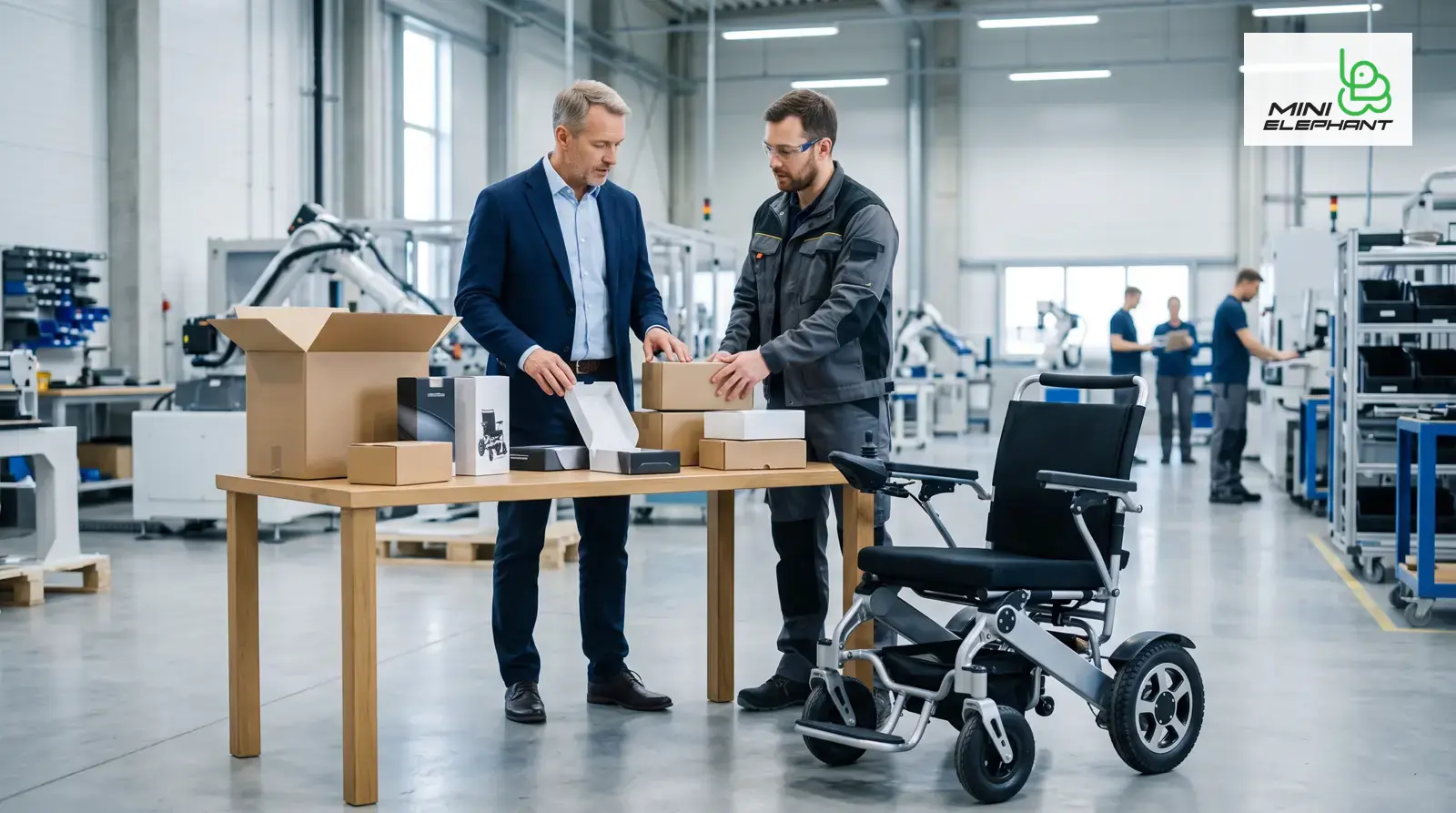
Electric Wheelchair OEM and Private Label: Where Importers Should Start
Private labeling an electric wheelchair is more than adding a logo to the carton. A dependable OEM project connects the product configuration, brand artwork, user documents, packaging, inspection standard, and spare-parts plan. When those elements are approved separately or communicated informally, the shipment can look different from the sample and the distributor may inherit avoidable service problems.
This guide is for importers, distributors, rehabilitation suppliers, and mobility retailers building a branded electric wheelchair range. The aim is to create a clear approval process that the factory can repeat across production batches.
Define the OEM Scope Before Negotiating Price
Start with a written project brief. Identify the base electric wheelchair model, target market, sales channel, estimated order volume, and the changes that are genuinely required. Separate standard equipment from private-label additions so the quotation remains easy to compare.
The scope may include:
- frame color, upholstery, and trim;
- logo placement on the chair and carton;
- controller, joystick, charger, or battery options;
- user manual and quick-start guide;
- carton artwork, labels, barcodes, and stickers;
- accessory package and spare-parts requirements;
- market-specific plug, language, and document needs.
Ask the factory to assign a revision number to the specification. A simple revision-controlled file is more useful than a long email thread because sales, production, quality, and logistics teams can refer to the same approved version.
Choose a Base Model That Fits Your Market
The best OEM base is not necessarily the cheapest chair. Review folded dimensions, seat width and depth, weight, battery arrangement, range test conditions, load rating, controller behavior, wheel type, and the service parts already available. A branded product still needs to fit the users and routes in the target market.
For travel and home-care channels, portability and removable batteries may be important. For rental or institutional use, flat-free tires, simple controls, durable upholstery, and accessible spare parts may carry more value. Decide the customer position before requesting cosmetic changes.
Control Artwork and Product Identity
Brand artwork should be approved in the correct file format and placement. Confirm the size, color, material, adhesive, surface, and location for each logo or label. Product names and model numbers must remain consistent across the chair, carton, manual, invoice, packing list, and online listing.
Do not approve artwork from a screen preview alone. Request a physical or production-quality sample when the logo is important to the customer experience. Check color, alignment, legibility, label adhesion, and whether the artwork remains clear after folding, handling, and cleaning.
Approve the Sample in Layers
A controlled sample process reduces confusion. First approve the functional base configuration. Next approve the branding and packaging changes. Finally approve the complete production reference with accessories and documents included.
The approval record should include photographs, dimensions, component part numbers, battery and charger identification, seat configuration, controller version, carton marks, and accessory count. Any deviation should be listed as an open point rather than accepted through assumption.
Protect Documentation and Compliance Work
Private-label products need documents that describe the actual delivered configuration. Review the manual, warnings, charging instructions, battery information, labels, warranty statement, and market-language requirements before mass production. Do not copy a document from an older model if the controller, battery, charger, or folding mechanism has changed.
Regulatory and transport obligations vary by destination and product configuration. The importer remains responsible for checking the requirements that apply in the sales market, while the factory should provide accurate technical information and requested supporting records. Keep the approved file with the purchase order and shipment records.
Build Quality Into the Purchase Order
The purchase order should reference the approved sample and revision, not only a product name. Include the required color, logo, accessories, packaging method, labels, inspection points, acceptance criteria, and process for approving changes. Define who pays for tooling, artwork revisions, rework, or replacement when a change is not made as agreed.
A pre-shipment inspection should compare production units with the private-label reference. Check appearance, folding, driving functions, braking, charger and battery matching, labels, manuals, carton marks, and accessory completeness. Photograph the result so repeat orders can be compared against the same standard.
Plan After-Sales Support Before Launch
A branded chair becomes the distributor's customer-service responsibility after delivery. Request controller, joystick, motor, charger, battery, wheel, armrest, and footrest part numbers where relevant. Ask how troubleshooting information is exchanged and which photographs, videos, serial numbers, or fault codes are needed for technical support.
Keep a starter spare-parts list with the launch plan. A small stock of high-impact parts can reduce downtime while the sales volume and failure pattern are still being measured. Confirm whether future orders can retain the same component revisions or whether a new approval is required.
B2B OEM Decision Framework
1. Write the complete scope and separate standard features from branding changes.
2. Select a base model by customer use case, not unit price alone.
3. Assign revision numbers to specifications, artwork, manuals, and packaging.
4. Approve a complete reference sample with the actual battery, charger, accessories, and documents.
5. Put acceptance criteria in the purchase order and inspect production before shipment.
6. Prepare spare parts and technical support before the branded product reaches customers.
The B2B Bottom Line
A successful electric wheelchair OEM program is a controlled product-development process. Importers who freeze the specification, approve artwork carefully, document the sample, inspect production, and plan service support can build a recognizable mobility range without sacrificing traceability or customer confidence.
**Planning a private-label electric wheelchair range?** [Contact the MiniElephant export team](https://www.semwheelchair.com/contact) to discuss base models, OEM options, packaging, and B2B documentation.
Interested in MiniElephant Electric Wheelchairs?
Get a customized quotation and product recommendation from our export team. Response within 24 hours.