Electric Wheelchair Seat Depth and Width: A Fit Guide for Buyers
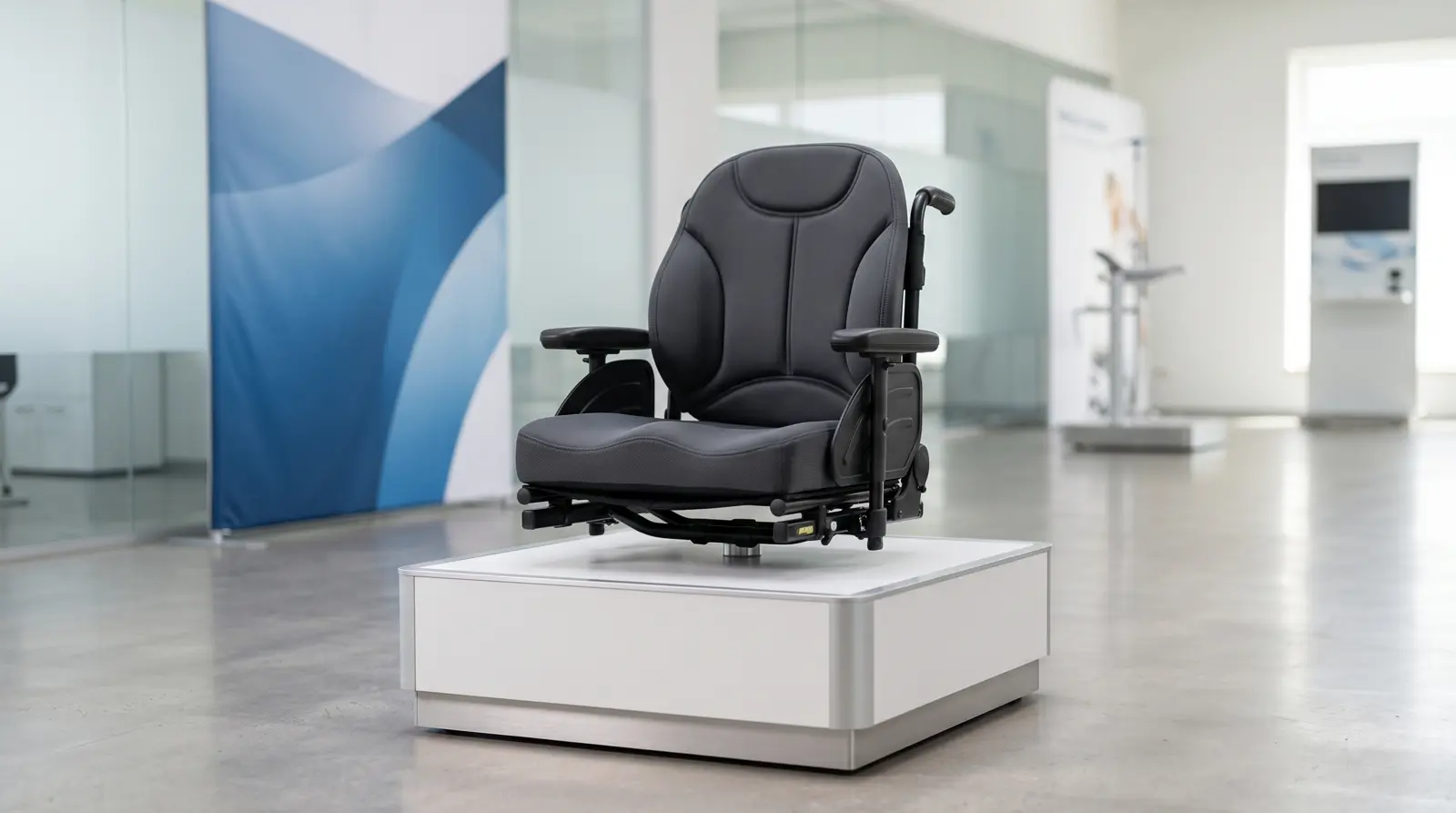
Electric Wheelchair Seat Depth and Width: Why Fit Comes First
Seat depth and seat width are the most basic measurements in an electric wheelchair, and they are also the measurements most often rushed at purchase time. A chair that is too narrow creates pressure on the thighs and hips. A chair that is too deep pushes the user forward and can reduce back support. For B2B buyers, sizing is not just comfort — it affects posture, skin safety, breathing, transfers, and how long the chair stays usable before the first replacement order.
Why Seat Fit Matters in Real Use
An electric wheelchair is not worn for ten minutes. Many users sit in it for most of the day. That means the seat has to support the pelvis correctly, leave enough room for circulation, and still keep the body centered during turns, stops, and curb movement.
Three problems appear again and again when fit is wrong:
- Too narrow: pressure builds at the hips and thighs, clothing rubs, and the user feels trapped.
- Too deep: the front edge of the seat presses behind the knees or forces the user to slide forward.
- Too shallow: the thighs are not supported enough, which can make the user unstable and tired.
In export markets, fit mistakes often become service issues later. Buyers who check seat sizing early reduce returns, avoid pressure complaints, and create a more defensible product line.
The Measurements That Matter
When comparing electric wheelchair models, ask for these dimensions in writing:
|---|---|---|
B2B rule: always measure the user with the cushion they will actually use. A 40 cm seat on paper may feel like 38 cm after a thick cushion is added.
Seat Depth: The Most Underestimated Dimension
Seat depth should support most of the thigh without pressing into the back of the knee. The common rule is to leave a small gap behind the knee so circulation is not restricted.
For suppliers, seat depth matters because it changes with body type:
- Slim adults often need shorter depth and a more compact frame.
- Larger adults need enough depth for support without hanging over the front edge.
- Children and teenagers need growth adjustment so the seat stays usable as the body changes.
A model with adjustable seat depth has more commercial value because one frame can serve more body types and more markets.
Seat Width: Comfort, Pressure, and Stability
Seat width is more than elbow room. It affects how the pelvis sits and how stable the chair feels when driving.
If the seat is too wide, the user may slide side to side and lose postural stability. If it is too narrow, pressure points appear quickly and the chair feels restrictive.
For B2B buyers, the safe approach is to offer a realistic width range rather than a one-size claim. That makes the chair easier to prescribe, easier to sell, and less likely to return.
Cushion and Back Support Must Match the Frame
A well-sized frame can still feel wrong if the cushion and backrest are mismatched.
- A thicker cushion increases effective seat height and may improve pressure distribution.
- A contoured cushion improves pelvic stability for users with weaker trunk control.
- A higher backrest helps users who need more trunk support or spend long hours seated.
- A lower backrest suits active users who transfer frequently and need more upper-body freedom.
B2B tip: never quote only the base chair. Quote the chair plus the seating package, because that is what determines whether the user will accept the product.
Decision Framework for B2B Buyers
1. Measure the user in the actual cushion they will sit on.
2. Confirm seat depth and width adjustment range before comparing price.
3. Ask whether the frame can handle different backrest and cushion combinations.
4. Check transfer height, footrest position, and table clearance together.
5. Request fit documentation or seat-sizing guidance from the factory.
FAQ
How do I choose the right seat width for an electric wheelchair?
Choose a width that gives the user enough room for clothing and cushion compression without letting the body slide around. The best answer is usually a measured fit, not a guess from body weight alone.
Is seat depth more important than seat width?
Both matter, but seat depth often creates the first discomfort because it affects thigh support and knee clearance. A chair that is too deep can force the user forward and change posture very quickly.
Why do cushions change seat size?
Because cushions take up space. A thick or contoured cushion reduces usable seat depth and can also raise seat height. Always size the chair with the cushion installed.
The B2B Bottom Line
Seat fit is one of the easiest ways to separate a professional electric wheelchair supplier from a catalog seller. Buyers who understand seat depth, seat width, and seating package value will reduce complaints, improve posture outcomes, and close more export orders with fewer after-sales problems.
**Need help matching seat dimensions to your market?** [Contact the MiniElephant export team](https://www.semwheelchair.com/contact) for seat-sizing support and B2B configuration advice on the MiniRedone series.
Interested in MiniElephant Electric Wheelchairs?
Get a customized quotation and product recommendation from our export team. Response within 24 hours.