Electric Wheelchair Seat Width and Fit Guide for B2B Buyers
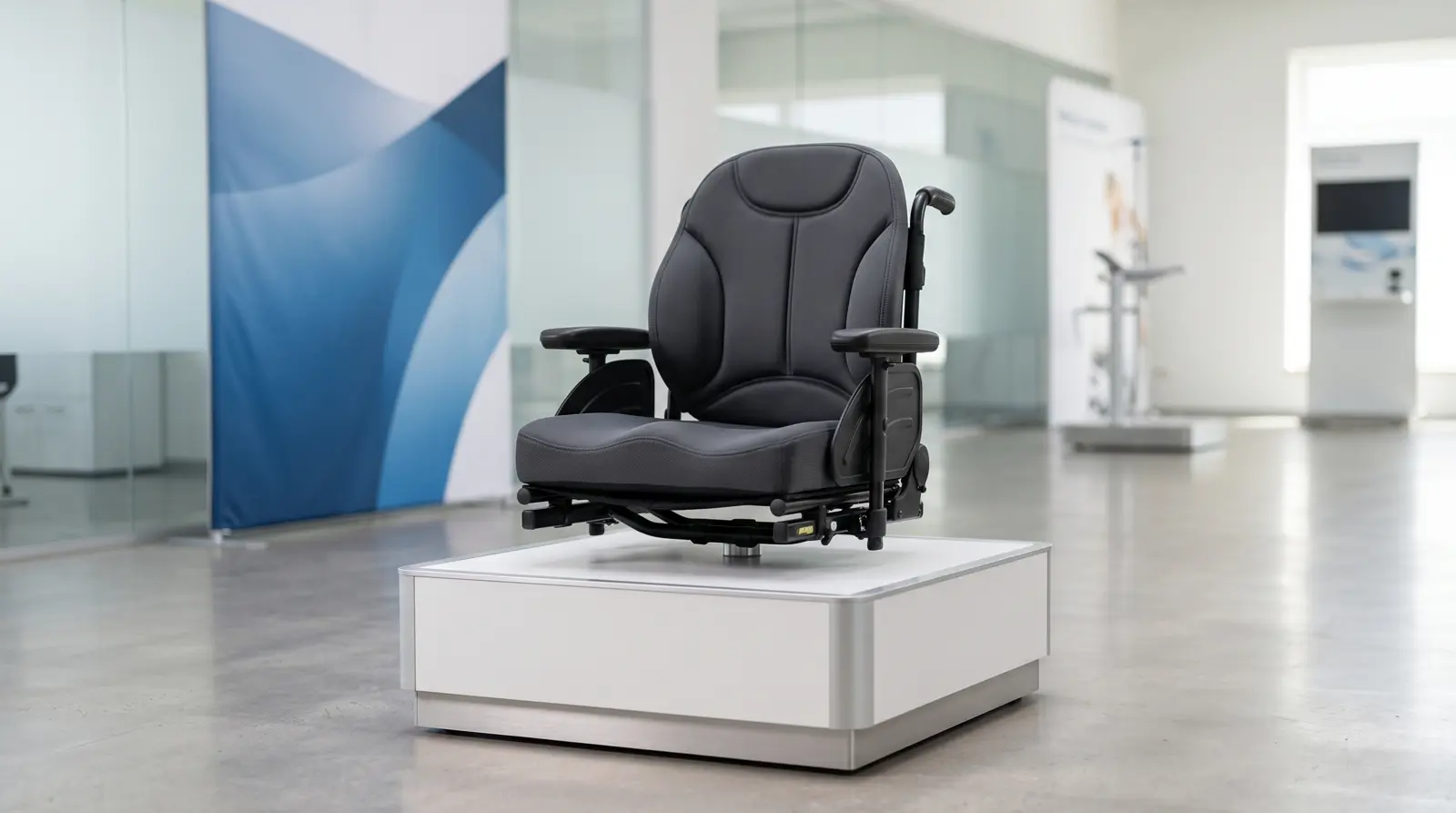
Electric Wheelchair Seat Width and Fit: A B2B Buying Guide
Seat width is only one part of electric wheelchair fit, but it is often the first specification buyers compare. A suitable seating configuration also depends on seat depth, cushion thickness, back support, armrest position, footrest geometry, control access, and the user's intended environment. Importers who record the complete fit profile can compare suppliers more accurately and reduce avoidable configuration changes after delivery.
This guide helps distributors, mobility retailers, care providers, and OEM buyers review seating options. It is a product-selection framework, not a clinical assessment. Individual users should receive appropriate professional advice when their seating, posture, pressure-management, or mobility needs require it.
Measure the Complete Seating Configuration
Ask the supplier to state how each dimension is measured. Seat width may refer to the frame, upholstery, or usable space between armrests. Seat depth may be measured from the front edge to the back support, while cushion thickness can change the effective sitting position. Record the reference points so quotations remain comparable.
For each electric wheelchair configuration, request:
- usable seat width and measurement method;
- seat depth and back-support reference point;
- cushion thickness and material;
- backrest height and angle range;
- armrest height, width, and adjustment range;
- footrest position, width, and leg-length range;
- seat height and overall unfolded dimensions;
- joystick position and any alternative control mount;
- maximum user weight and the conditions attached to the rating.
A product-family name is not enough when a chair is available with multiple seats, cushions, armrests, or control layouts.
Understand the Effect of Seat Width
A narrower seat can reduce the overall footprint and may provide closer lateral support for a suitable user. A wider seat can offer more room, but it may also increase the chair width, affect armrest position, change the center of mass, and create clearance issues in doorways or transport spaces.
Do not choose the narrowest or widest option from a catalogue alone. The selected width should be reviewed with the intended user, cushion, clothing, transfer method, and indoor route. The distributor should document the approved configuration rather than treating a nominal width as a universal fit recommendation.
Check Seat Depth and Lower-Leg Position
Seat depth affects pelvic position, back support, knee clearance, and the relationship between the user and the footrests. A depth that is too long can interfere with lower-leg support; one that is too short may not provide the intended thigh support. Review the seat depth together with the cushion, backrest, calf support, and footplate adjustment.
For a sample evaluation, record the seat setting, cushion used, backrest position, footrest setting, and the user's feedback. A change to any one of these parts can make a different seat width or depth appear suitable, so the approval record should identify the complete setup.
Review Access, Controls, and Transfers
Seating fit interacts with daily access. Check armrest height and clearance, swing-away or removable footrests, joystick reach, cable routing, seat-to-floor height, and the space needed for a caregiver or transfer aid. A chair that fits on paper may still be difficult to enter, exit, fold, or store in the customer's environment.
During a controlled demonstration, observe whether the intended operator can reach the controls without an awkward posture and whether the selected configuration leaves enough clearance for the planned route. Do not make clinical suitability claims based on a brief showroom trial.
Compare Configurations Before Ordering
| --- | --- |
Use the table with the physical sample and current technical documents. Record open points, requested changes, and the person responsible for confirmation before production.
Control Changes Across the Product File
A seating option can affect folded dimensions, total weight, packaging, center of mass, joystick clearance, and the parts needed for service. If the seat, cushion, armrest, or footrest changes, ask the supplier whether the product drawing, packing method, user manual, price, or shipping information also needs revision.
For private-label programs, approve the seating configuration and related product images together. Online listings should show the exact option being sold, and the spare-parts file should distinguish components that are not interchangeable between revisions.
B2B Seat-Fit Checklist
1. Confirm the measurement method for seat width, depth, height, and usable armrest clearance.
2. Review seat, cushion, backrest, armrests, and footrests as one configuration.
3. Check control reach, transfer access, folding, storage, and route clearance.
4. Evaluate the physical sample with the intended seating and accessory options.
5. Record maximum load, dimensions, and weight for the exact configuration.
6. Align quotations, drawings, manuals, labels, images, and packaging records.
7. Obtain professional input when individual seating or clinical needs require it.
The B2B Bottom Line
Electric wheelchair seating should be specified as a complete fit system, not selected by seat-width number alone. Buyers who verify measurement methods, seating geometry, control access, transport effects, documentation, and service parts can make more reliable product decisions for their market.
**Reviewing seating configurations for an electric wheelchair range?** [Contact the MiniElephant export team](https://www.semwheelchair.com/contact) for model specifications, configuration support, and B2B quotation discussions.
Interested in MiniElephant Electric Wheelchairs?
Get a customized quotation and product recommendation from our export team. Response within 24 hours.