Electric Wheelchair Refurbishment and Fleet Rotation Guide
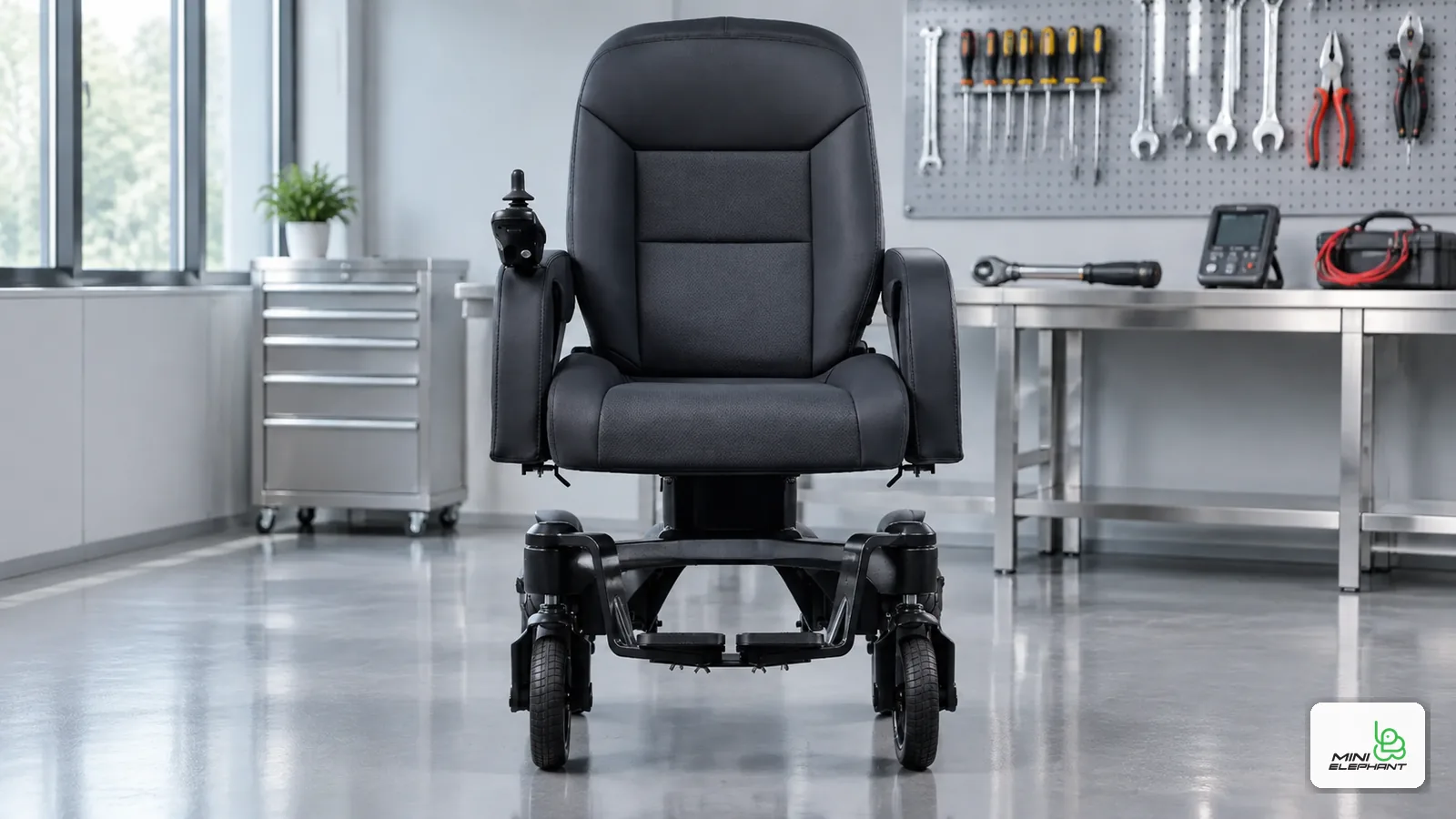
Refurbishing an electric wheelchair is a documentation exercise before it is a repair job. An electric wheelchair that re-enters a dealer fleet without a written condition grade, a part-level replacement record and an honest disclosure to the next owner becomes a warranty liability rather than an asset.
For rental operators, distributors and fleet buyers, the decision to refurbish an electric wheelchair is driven by three numbers: the cost of the parts that must be replaced, the remaining service life of the battery pack, and the rental or resale rate the electric wheelchair can still command in its target market. Cosmetic refresh is the cheapest of the three and the least important.
MiniElephant manufactures the MiniRedone series for distributors and rental fleets, so this guide is written from the factory side of that conversation: which failures are economic to repair, which are not, and what documentation a refurbished electric wheelchair needs before it is offered to a second owner.
What Does Electric Wheelchair Refurbishment Actually Involve?
Refurbishment is a defined scope, not a cleaning. A defensible scope covers four work packages: mechanical inspection of the frame and folding joints, drive system testing, battery assessment, and documentation. An electric wheelchair that receives new upholstery but keeps an unmeasured battery pack has not been refurbished, it has been cosmetically refreshed.
The distinction matters commercially. A distributor who sells a cosmetically refreshed electric wheelchair as refurbished carries the full warranty exposure for failures that were never inspected. A distributor who publishes the scope and the replaced parts carries only the exposure that the written scope accepts.
Write the scope before the first electric wheelchair is touched. It should state which assemblies are inspected, which are tested under load, which are replaced as a matter of course, and which are left untouched and therefore excluded from the refurbishment claim.
Condition Grading: The Three Bands Buyers Should Agree On
Grading is the language that lets a fleet operator, a distributor and an end customer discuss the same electric wheelchair without arguing about adjectives. Agree the bands in writing before the first batch, and keep the grading criteria stable across batches so that grade B means the same thing in month one and month twelve.
Publish the grading table with the electric wheelchair, not after it. A buyer who receives a grade B electric wheelchair alongside the grading criteria knows exactly which two or three items to check on arrival, and the arrival inspection stops being a negotiation.
Which Components Decide Whether an Electric Wheelchair Is Worth Refurbishing?
Component economics separate cleanly. Rework the cheap wear parts, test the expensive assemblies, and treat the battery as a valuation input rather than a repair line.
The pattern to watch is the third row. On a sealed electric wheelchair battery, the pack can cost more than the resale margin of the whole machine once the drive system is also worn. That is the point where the electric wheelchair stops being a refurbishment candidate and becomes a parts donor.
Battery Age Is the Biggest Single Valuation Input
Every MiniRedone model ships with a 16Ah LiFePO4 pack and a four to six hour charge cycle. LiFePO4 chemistry tolerates partial charging and long storage better than lead-acid, but it is not immune to ageing, and a pack that has spent two summers in a hot vehicle will not deliver the range it did when new.
Test the pack before you price the electric wheelchair. A capacity test under a known load tells you more about the future of that electric wheelchair than any visual inspection of the shell, and it takes less time than replacing upholstery.
Two handling points belong in every refurbishment scope. First, the pack is built into these electric wheelchairs and is not intended to be removed by the end user, so pack-level service is a factory or authorised-depot activity rather than a dealer task. Second, end-of-life packs need a defined route: a refurbishment programme without a battery exit path accumulates dead packs in the warehouse. The end-of-life handling options are set out in the battery recycling guide.
Inspection Sequence Before a Unit Re-Enters a Fleet
Run the same sequence on every electric wheelchair and record the result at each step. Sequence discipline is what makes a refurbishment programme auditable, and it is also what makes a warranty claim arguable in either direction.
- Identity check: frame number, model, original invoice date and service history matched to the electric wheelchair in front of you.
- Structural inspection: frame straightness, weld condition, folding joint play, latch engagement, anti-tip hardware.
- Drive test: both motors under load on a slope and on a flat run, brake hold, freewheel release, abnormal noise or drag.
- Electrical test: controller response across speed profiles, joystick centring, wiring and connector condition, charging behaviour.
- Battery assessment: measured capacity, charge time, and a recorded decision to keep, downgrade or replace the pack.
- Cosmetic and hygiene work: upholstery condition, cleaning, replacement of wear parts, decal and label restoration.
- Documentation pack: completed inspection sheet, replaced-part list, grade assignment and the disclosure statement for the next owner.
Steps three and five are the ones worth automating or outsourcing to a test bench. Everything else can be done with hand tools, but no step can be skipped without weakening the claim that the electric wheelchair was refurbished.
Documentation and Disclosure the Next Owner Must Receive
A refurbished electric wheelchair should leave the depot with four documents: the condition report, the replaced-parts list, the battery assessment, and the refreshed warranty statement. If any of the four is missing, the electric wheelchair is being sold on trust rather than on evidence.
The warranty statement is the document most often left vague. MiniElephant's standard terms cover the vehicle for five years and the controller, battery and motor for three years on a new electric wheelchair. A refurbished electric wheelchair is a different commercial object, and its warranty must be redefined in writing: which assemblies carry the original remaining term, which are covered by a depot guarantee, and which are sold as-is. Buyers who plan warranty exposure per market should review the distributor warranty planning guide before agreeing terms with their own customers.
Disclosure is also a legal and reputational matter in most markets. Selling a refurbished electric wheelchair as new is a misrepresentation risk that no margin justifies, and it is easy to avoid with a one-page statement.
Spare-Part Coverage and Modularity Decide the Second Life
The refurbishment programme is only as good as the part supply behind it. Before committing to a rotation cycle, confirm which parts are available as field replacements for the models in your fleet, in what pack sizes, and at what lead time.
Modularity is the difference between a repairable fleet and a disposable one. On the MiniRedone platform the seat and chassis separate for service access, and the controller can be mounted on the left or right side, which allows a single refurbished electric wheelchair to serve either a left-hand or right-hand user without a rebuild. That flexibility is worth more in a rental fleet, where the next user is unknown, than in a retail sale.
Build the initial spare-part kit from the failure record of the first rotation, not from a supplier catalogue. The spare parts planning guide covers how to size that kit, and the serviceability comparison explains why a modular frame changes the total cost of the second life of an electric wheelchair.
How Refurbishment Changes the Total Cost of Ownership
Refurbishment is a cost-of-ownership tool. A fleet that refurbishes correctly spreads the purchase price of each electric wheelchair over two or three service lives and keeps the annual depreciation line predictable. A fleet that refurbishes cosmetically pays the purchase price once, the refurbishment cost once, and then absorbs the early failure costs that the cosmetic scope never addressed.
Model the second life explicitly: cost of the parts actually replaced, labour hours at your own rate, battery decision cost, and the rental or resale revenue the graded electric wheelchair can earn. The cost of ownership comparison provides the framework; your own failure data fills in the numbers.
One line is easy to forget: the return leg. An electric wheelchair that comes back from a rental customer with damage needs the same return documentation as a warranty return. The RMA return logistics guide sets out the fields to capture, and a refurbishment programme that skips that step loses the failure history that would have made the next rotation cheaper.
Common Refurbishment Mistakes in Electric Wheelchair Fleets
The recurring failures in dealer and rental programmes tend to be the same ones, and all of them are avoidable with process rather than with equipment.
Treating the battery as a fixed asset. Packs age, and a programme that never tests capacity is pricing electric wheelchairs on hope.
Grading by appearance. A clean shell with a worn folding latch is a grade C electric wheelchair wearing a grade A dress.
Refurbishing without a part plan. An electric wheelchair waiting three months for a controller is not in service and not earning.
Extending the warranty by habit. Inheriting the original five-year vehicle warranty on a four-year-old refurbished electric wheelchair transfers risk that nobody priced.
Skipping disclosure. The cost of the first misrepresentation claim is almost always larger than the price difference that caused it.
FAQ
Is a refurbished electric wheelchair as reliable as a new one?
It can be, for the assemblies that were inspected and replaced, which is exactly why the scope has to be written down. Reliability on a refurbished electric wheelchair is a property of the documented work, not of the label. Untested assemblies carry the failure profile of their real age.
How often should a rental fleet rotate its electric wheelchairs?
Rotation frequency should follow measured condition, not a calendar. A fleet that grades every electric wheelchair at each return, and rotates on the grade boundary, will rotate some units early and others late, which is the economically correct outcome.
Can a dealer replace the battery pack in a refurbishment programme?
On the MiniRedone series the pack is built into the electric wheelchair and is not designed for end-user removal, so pack-level work belongs to the factory or an authorised depot. Dealers can test, record and decide, but the swap itself is a controlled activity.
What documentation should come with a refurbished electric wheelchair?
A condition report with the grade, a replaced-parts list with part numbers, a battery capacity record, and a written warranty statement for the second life. A one-page disclosure that the electric wheelchair is refurbished belongs on top of those four.
Does refurbishment affect shipping and customs documentation?
It can, because the declared value, the description and the condition of the goods change. Treat a refurbished consignment as its own shipment type and prepare the import compliance documents accordingly rather than copying the file from the original export.
Talk to the Factory Before You Design the Rotation Cycle
A rotation programme is a joint design exercise. The factory knows which assemblies fail, in what order, and which of them can be replaced in the field; the distributor knows the rental or resale market that the graded electric wheelchair will enter. MiniElephant builds the MiniRedone series in Jiaxing, China, and works with distributors and rental operators on fleet rotation, spare-part kits and dealer-level service scopes. Send the model mix and the rotation volume, and we will return a part plan and a refurbishment scope that matches your market.
Contact Johnson at johnson@semwheelchair.com or +86 13819098967 to discuss an electric wheelchair fleet rotation plan.
Related reading
Interested in MiniElephant Electric Wheelchairs?
Get a customized quotation and product recommendation from our export team. Response within 24 hours.