Electric Wheelchair Joystick Controllers: A B2B Buying Guide
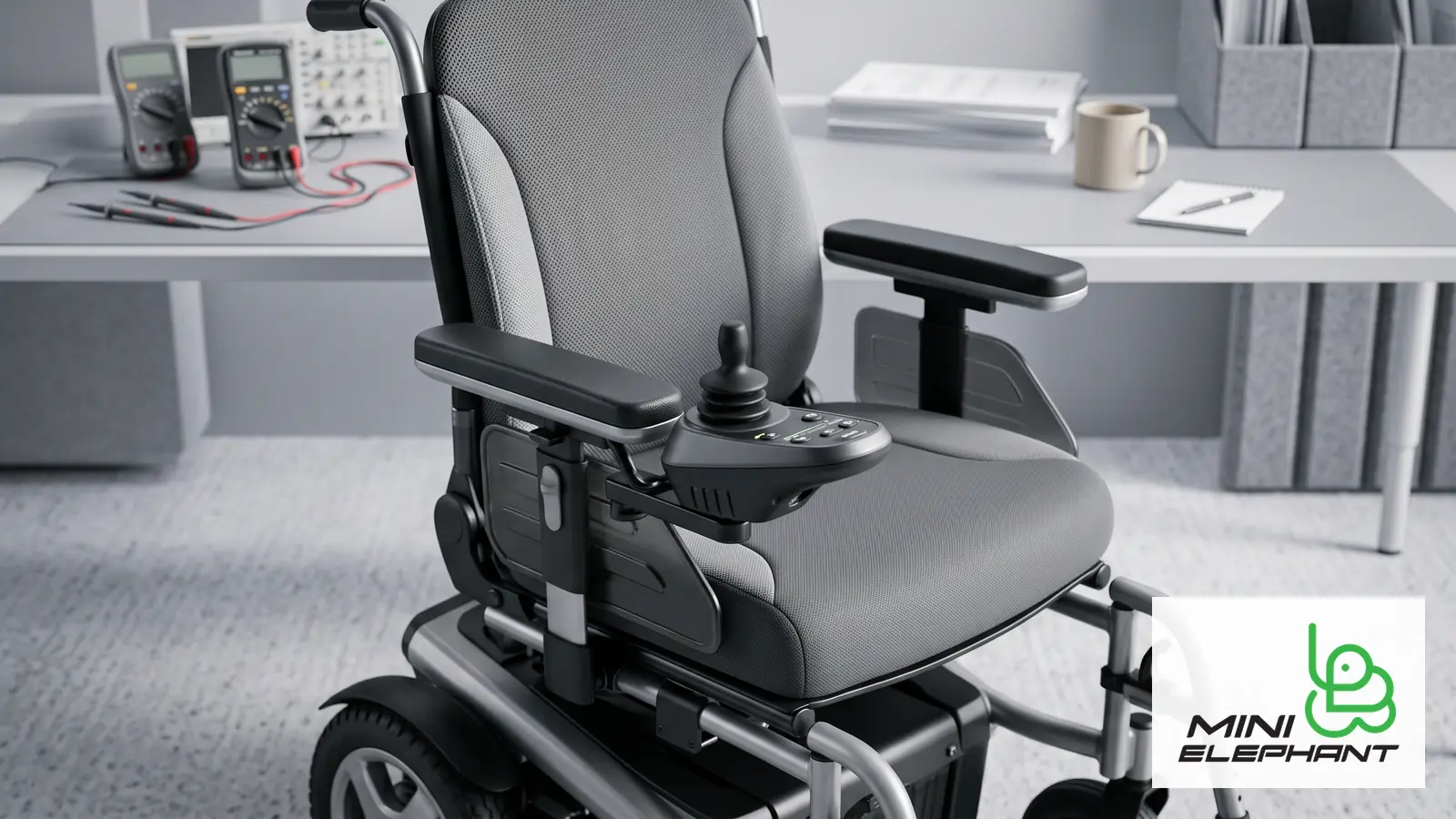
Electric Wheelchair Joystick Controllers: What B2B Buyers Should Check
The right electric wheelchair joystick controller is not selected by appearance alone. It must be compatible with the chair's drive system, appropriate for the intended user group, serviceable in the destination market, and validated on the final production configuration. For distributors and institutional buyers, controller selection affects daily usability, training needs, repair stock, and the long-term consistency of a product line.
A joystick controller translates the user's input into controlled acceleration, turning, braking, speed selection, and other chair functions. Its interface may look simple, but the controller, motor drivers, batteries, wiring, and firmware operate as a system. Substituting a controller without checking system compatibility can cause unreliable performance or safety-related faults.
Confirm System Compatibility First
Begin with the approved wheelchair platform. Ask the manufacturer to identify the controller family, connector layout, voltage range, firmware relationship, motor compatibility, and supported functions. A joystick from another model may share a plug shape while using different communication settings or programming parameters.
For every proposed configuration, confirm:
- The wheelchair model and drive-system version
- Battery voltage and compatible charger arrangement
- Controller connector and harness specification
- Supported motor, brake, lighting, seating, or actuator functions
- Firmware version and programming access
- Replacement-part number and revision-control process
Buyers should avoid describing requirements only as “standard joystick” or “LCD controller.” Those phrases do not define the operating parameters that service teams need. Record the approved part number on the purchase order and in the spare-parts list.
Match the Interface to the Intended User
Different user groups benefit from different control layouts. Some users value large, high-contrast buttons and clear battery indicators. Others need a compact controller with straightforward speed adjustment. For users with reduced hand strength, tremor, limited reach, or impaired vision, the force required to move the joystick, button size, feedback, and mounting position deserve special attention.
Request a functional sample or demonstration video that shows starting, stopping, speed changes, turning, reverse movement, horn operation, and any lighting or seating controls. If the chair will be supplied to a care facility or rehabilitation channel, gather feedback from clinicians, technicians, and representative users where appropriate. The controller should support safe, understandable operation within the product's intended use.
Review Driving Parameters and Programming Control
Many electric wheelchair systems allow speed, acceleration, deceleration, turning response, and other parameters to be adjusted. This can be useful when a dealer prepares a chair for a particular user or environment. However, programming should be controlled carefully.
Ask who can access configuration settings, whether a programming tool is required, how settings are backed up, and whether a technician can restore factory parameters. Unauthorized changes can affect handling and service responsibility. For a distribution program, agree on a documented baseline configuration and define who is permitted to change it.
Do not use software settings to compensate for unsuitable hardware or an unvalidated chair configuration. Parameters should be set and tested by qualified personnel according to the manufacturer's instructions and applicable requirements.
Consider Mounting, Cable Routing, and Daily Durability
The joystick must be positioned where the user can reach it comfortably without interfering with transfers, tables, armrests, or side guards. Check left- and right-side mounting options, swing-away hardware, cable strain relief, and the effect of adjustable armrests. An awkwardly located control panel can reduce the value of an otherwise capable electric wheelchair.
Environmental resistance also matters. Indoor models may face cleaning routines, accidental spills, and frequent contact with furniture. Outdoor-oriented models can encounter dust, vibration, and changing weather. Ask the supplier what use conditions the controller and connectors are designed to withstand, and follow the stated cleaning and storage instructions. Avoid making waterproof claims unless they are supported by the manufacturer's documented rating and intended-use information.
Plan Service Parts Before the First Shipment
A controller can be a high-impact service part: a chair may be unusable until the fault is diagnosed and the correct part is installed. For this reason, include controllers, key harnesses, protective boots, and relevant mounting hardware in the initial spare-parts plan where justified by the product program and supplier guidance.
Ask for troubleshooting information that helps technicians distinguish between joystick, cable, battery, charger, motor, brake, and system faults. Error-code guidance, wiring diagrams, part numbers, warranty procedure, and expected spare-parts lead times should be clear before a bulk order is released.
If the controller is revised, require advance notice, compatibility confirmation, and updated service documents. Revision management prevents a dealer from receiving a replacement part that does not work with earlier inventory.
Validate the Final Configuration
Before mass production, test the exact chair combination that will be shipped: frame, seating, batteries, controller, accessories, and firmware. Check basic control response, emergency stopping behavior, speed modes, charging status display, and any optional functions. Retain the approved sample specification and inspection criteria.
For importers, this step is especially important when combining custom upholstery, seating systems, lighting kits, or alternative batteries with a base chair. Changes that appear separate can affect controller wiring, cable length, or configuration settings.
A Practical Supplier Question Set
Use focused questions in your RFQ: “Which controller part number is installed on this model?” “Can we obtain service documentation and diagnostic guidance?” “Which functions are programmable, and who has access?” “What spare controllers and harnesses do you recommend?” “How will you notify us of firmware or component revisions?”
Suppliers who provide specific, consistent answers make it easier to support the product after delivery.
The Bottom Line
For B2B electric wheelchair purchasing, a joystick controller is a system-critical component. Specify it precisely, evaluate it with the intended chair and user environment, and establish a service-parts plan before launch. These steps help distributors deliver a wheelchair that is easier to operate, maintain, and support over its working life.
Interested in MiniElephant Electric Wheelchairs?
Get a customized quotation and product recommendation from our export team. Response within 24 hours.