Brushless vs Brushed Electric Wheelchair Motors: B2B Comparison
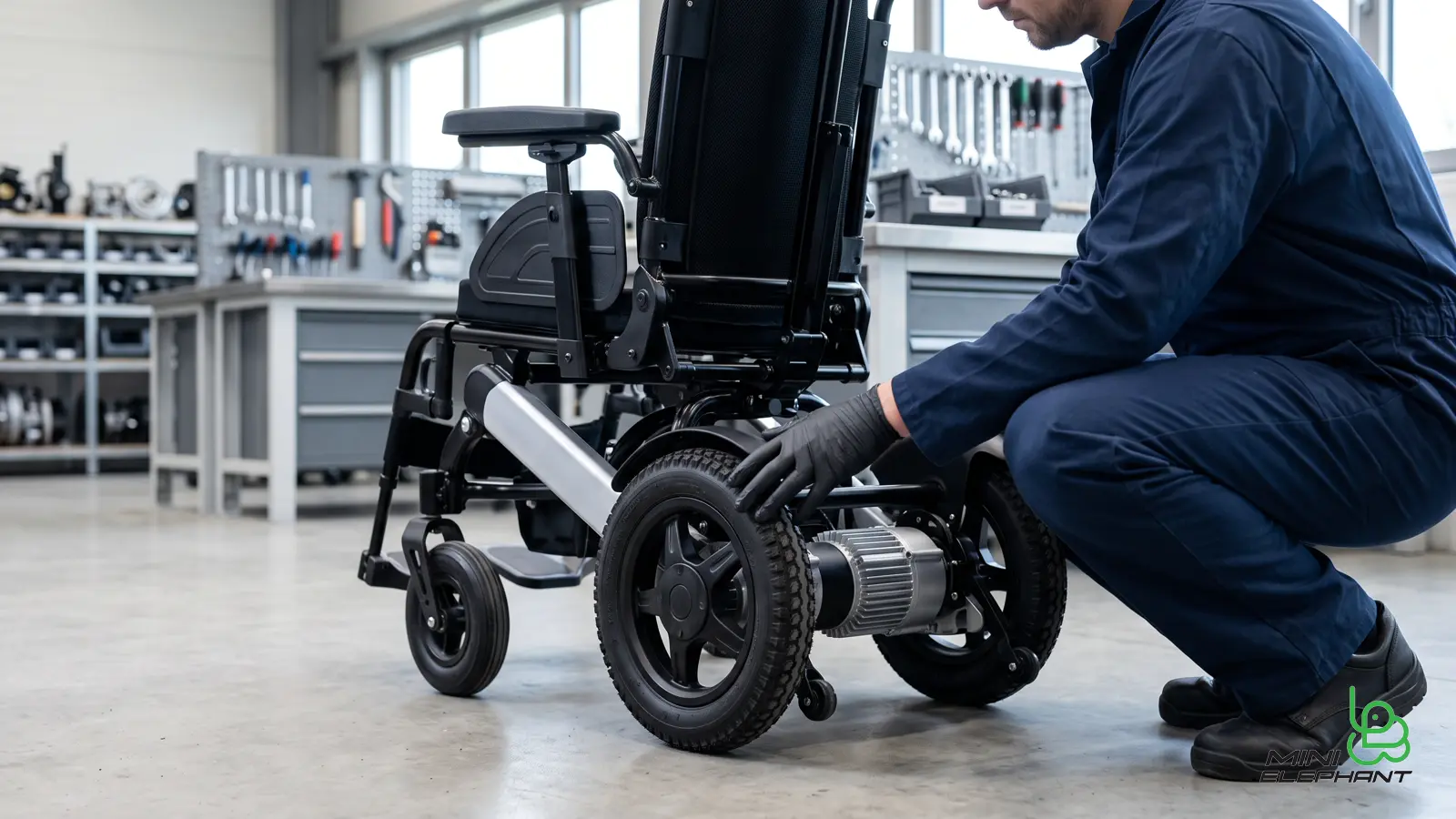
Motor selection shapes more than an electric wheelchair top speed. For importers and distributors, it affects battery use, controller matching, spare-parts planning, noise expectations and the service work required over the product lifecycle. Brushed and brushless systems can both be suitable when specified for the correct wheelchair platform.
How the Two Motor Types Differ
A brushed DC motor transfers power through brushes and a commutator. It is a familiar, widely serviceable design often used in value-oriented mobility equipment. A brushless DC motor uses electronic commutation through a compatible controller. This can reduce brush wear and support efficient, smooth operation, but it makes the electronics package and diagnostic support especially important.
The motor label alone does not determine product quality. Gear reduction, electromagnetic braking, wiring, controller calibration and heat management all influence the result users experience.
Brushed Motors: Where They Can Fit
Brushed motors may suit electric wheelchair models positioned around straightforward operation, accessible initial cost and established mechanical service routines. Their architecture can be easier for technicians already familiar with conventional DC drive systems to understand.
When evaluating a brushed setup, ask the supplier for expected brush inspection intervals, motor replacement procedures, typical noise level and warranty data. Ensure the distributor network can obtain compatible brush assemblies or complete drive motors when needed.
Brushless Motors: Potential Advantages and Requirements
Brushless motors are often chosen for lower routine wear at the motor commutation point, refined control and potential efficiency benefits. They can suit premium, higher-use or technology-focused ranges, provided the controller and diagnostic process are well supported.
Request complete documentation for the motor-controller pair. Confirm connector pinouts, fault-code references, programming access, firmware version control and the process for replacing one electronic component without compatibility issues.
Comparison Points for B2B Buyers
Use these factors to compare candidate platforms rather than relying only on wattage:
| --- | --- | --- |
Test the Complete Drive System
Sample testing should include starts on a slope, repeated low-speed maneuvering, typical cruising, braking, loaded operation and temperature checks after a realistic duty cycle. Listen for unusual gear noise and check whether the controller delivers predictable acceleration at low battery levels.
Also test service scenarios. Have a technician follow the supplier instructions to inspect a connection, read a fault condition or replace an approved drive component. A motor platform is more practical when the service workflow is clear, repeatable and supported by available parts.
Specify Compatibility in the Purchase Agreement
Document the approved motor model, rated voltage, gearbox, brake type, controller model, connector family and software or firmware version where relevant. Require written notice before substitutions. This reduces the risk of receiving a motor that fits physically but changes performance, diagnostics or spare-parts compatibility.
For long-term programs, request a component lifecycle statement and a plan for managing an end-of-life motor or controller. A controlled transition protects dealers, fleet operators and users from avoidable downtime.
Final Takeaway
Brushed and brushless electric wheelchair motors should be chosen as part of a documented drive system, not as isolated catalogue specifications. Compare complete samples, define the service model early and keep motor-controller compatibility under change control for a reliable B2B product line.
Interested in MiniElephant Electric Wheelchairs?
Get a customized quotation and product recommendation from our export team. Response within 24 hours.