Electric Wheelchair High-Capacity Models: Distributor Guide
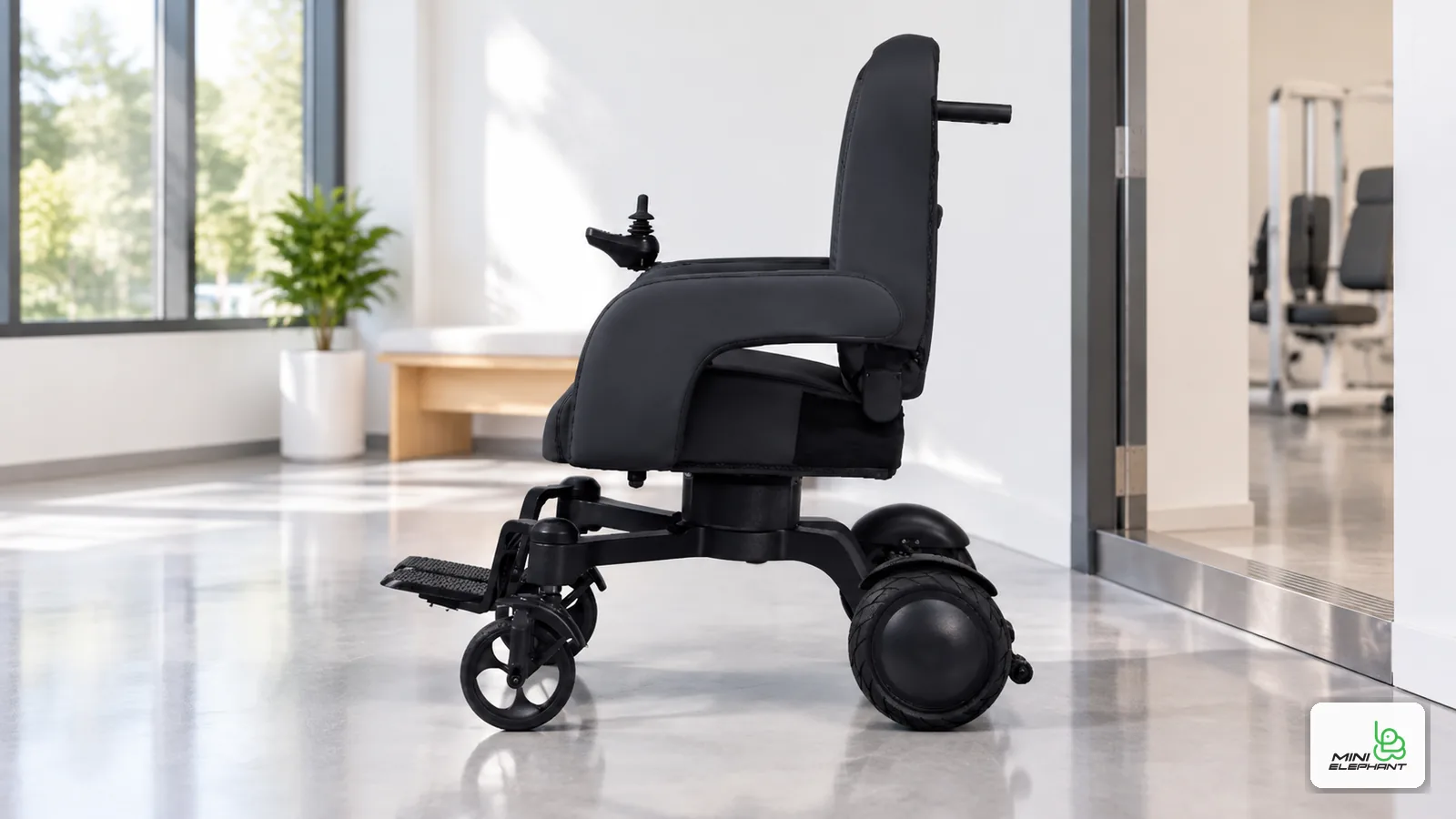
A high-capacity model is not a stronger version of a standard unit. When a distributor quotes a bariatric electric wheelchair into a care home, a larger private user, or an institutional fleet, the electric wheelchair buyer is purchasing a different specification stack: the frame load path, seat geometry, motor torque margin, tyre and caster rating, and a paper trail that proves each number. This guide is written for importers, distributors, and procurement teams who need to compare high-capacity electric wheelchair models without relying on a catalogue headline.
The short answer: treat the maximum load figure as the start of the conversation, not the end. A supplier who can document the frame test basis, the seat width and depth range, the motor and controller rating at that load, the wheel and caster specifications, and the spare-parts position for load-bearing parts is quoting a product. A supplier who cannot is quoting a number.
Why High-Capacity Electric Wheelchair Demand Is Growing
Three buyer groups now ask for a higher load rating than the mainstream catalogue offers. Institutional electric wheelchair buyers running nursing and rehabilitation fleets report heavier residents and heavier equipment loads. Private electric wheelchair users who are larger framed find that a standard seat width produces pressure and stability problems within months. And distributors in markets with an ageing, heavier population want one platform that covers more of their addressable demand instead of stocking two ranges.
For an electric wheelchair supplier, the commercial appeal is obvious: one high-capacity platform can serve several segments. The risk is equally obvious. Load rating on an electric wheelchair touches every mechanical and electrical subsystem, so an electric wheelchair that reaches 150 KG by relabelling a 120 KG frame will fail in the field, and that failure lands on the distributor, not the factory.
What a High-Capacity Electric Wheelchair Load Rating Covers
A maximum user weight on an electric wheelchair is a summary of several separate limits. Electric wheelchair buyers should ask which limit governs the published figure, because the weakest component sets the number.
Most disputes start here: a frame rated at 150 KG paired with casters rated at 75 KG each is not a 150 KG electric wheelchair in any practical sense. Ask for the per-wheel rating in writing.
Frame Construction for an Electric Wheelchair Above 120 KG
Frame material decides how a high-capacity electric wheelchair behaves over years of use. Steel is cheap and fatigue-resistant but heavy. Aluminium is light and corrosion-resistant, but an electric wheelchair with an aluminium frame needs generous section thickness to carry load. Magnesium alloy die-cast frames sit between the two: a one-piece casting removes welded joints, which are the usual initiation point for cracks under repeated loading.
On a die-cast frame, inspect three things. First, wall thickness at the seat-to-frame junction. Second, whether the casting is one piece or a bolted assembly with stress risers. Third, the finish, because a magnesium frame needs a proper coating system and untreated magnesium corrodes quickly once the coating is breached. Ask how the coating is applied and how edges and drilled holes are treated.
Seat Width and Depth for Larger Users
Seat geometry on a high-capacity electric wheelchair is where most returns originate. A user who is too wide for the electric wheelchair seat loads the armrests and the frame asymmetrically, and a user whose seat is too deep sits with pressure behind the knee rather than under the ischial tuberosities.
Distributors should confirm the electric wheelchair seat width range, not a single width, and check whether wider seats change the overall width of the chair. A wider seat usually pushes the armrests outward, which changes doorway clearance and the folded width that shipping and storage teams care about. The seat width fitting guide covers the measurement routine in detail, and it is worth sending to a dealer before they specify a high-capacity electric wheelchair for a private customer.
Cushion Choice and Pressure Management
A high-capacity electric wheelchair carries more pressure through the same contact area, so the cushion specification on an electric wheelchair matters more, not less. Foam density, cover breathability, and the option of a pressure-redistributing insert all change how an electric wheelchair feels over a long day. Institutional buyers usually want a removable, wipeable cover; private users often want a softer top layer over a firmer base.
Compare constructions before you commit a container. The cushion comparison for B2B buyers sets out the trade-offs between foam, gel, and hybrid builds, and explains why a cushion that performs well at 90 KG may bottom out at 140 KG.
Motor, Controller, and Range Under Load
Payload changes how an electric wheelchair feels to drive. A dual 350W hub-motor arrangement that moves a 90 KG user briskly will feel slower with a 140 KG user on a slope, and the controller draws more current to compensate. Two consequences follow: range drops, and thermal margin shrinks.
Ask the electric wheelchair supplier for the motor rating, the controller current limit, and the maximum slope the model is rated to climb at the full load rating rather than at a nominal load. If the answer is a slope percentage without a stated payload, the number is not usable. The brushless motor comparison explains how to read torque and current figures side by side.
Range deserves the same treatment. Published figures usually assume a nominal payload on flat ground at moderate ambient temperature, so a high-capacity electric wheelchair carrying its rated load will not match them. Plan on a conservative figure and tell the end user what it means: fewer kilometres between charges, and a longer charge cycle after a deep discharge. For fleet buyers this changes charging logistics, so confirm the battery capacity in Ah and Wh and that the charger is matched to it.
Wheels, Casters, and Contact Patch
Wheel specification is the most frequently under-specified part of a high-capacity electric wheelchair quotation. Pneumatic tyres on an electric wheelchair absorb vibration and give a larger contact patch but need maintenance. Solid tyres remove maintenance but transmit shock into the frame and the user. Front casters carry a disproportionate share of the load during turns and threshold crossings, so their fork strength and wheel diameter deserve a direct question.
Also check the electric wheelchair anti-tip configuration. A chair with a longer wheelbase and a heavier payload needs its anti-tip wheels set at the right height and angle, because a setting that suits a lighter user can leave the rear too close to the ground at a ramp transition.
Doorway, Ramp, Turning Clearance, and Transport Weight
On an electric wheelchair, every increase in seat width and frame strength costs clearance. Before quoting an electric wheelchair, run the numbers against the actual environment: doorway width, corridor turning space, ramp slope, and the transition at the threshold. A model that fits an 800 mm doorway with a standard seat may need an 850 mm opening once the wider seat and armrests are fitted.
Two existing guides help here. The clearance and obstacle-height comparison explains which dimensions to measure, and the ramp slope access guide covers gradient limits and transition geometry. Send both to a dealer quoting a high-capacity electric wheelchair into an older building.
Electric wheelchair weight belongs in the same conversation. A stronger frame and a larger seat add mass, so distributors selling into markets where the chair is lifted into a car boot every day should compare net weight and folded dimensions, not only the load rating. A heavier electric wheelchair with a convenient fold is often a better sale than a lighter one that is awkward to handle. The net weight versus transport weight comparison separates the figures buyers confuse, including carton weight and the weight a two-person lift actually has to manage.
Documentation to Request Before You Order
High-capacity electric wheelchair claims are only as good as the documents behind them. A serious electric wheelchair exporter should be able to supply, on request:
- A specification sheet stating maximum load, seat width range, net weight, and folded dimensions
- Frame material and finish specification, including the coating process
- Motor, controller, and battery ratings with model references
- Wheel and caster load ratings, per wheel
- A statement of which standards the model was tested against, and by which laboratory
- A spare-parts list identifying load-bearing components and their part numbers
Where a document is not available, record that in the quotation file. A written gap is manageable; an assumed capability is not.
Warranty and Spare-Parts Planning
Load-bearing parts wear faster on a high-capacity electric wheelchair, so dealers should agree before the first order which components are covered, what evidence a claim needs, and how quickly a replacement ships. Electric wheelchair stocking policy matters as much as the warranty text: a distributor who holds no seat frames and no caster forks will convert a minor failure into a long downtime event.
Treat warranty as a commercial term negotiated in the supply agreement rather than a phrase in a brochure. If the electric wheelchair terms are unclear, ask for them in writing before you sign.
A Practical Electric Wheelchair Evaluation Checklist
Use the same sequence for every candidate electric wheelchair model so the comparison stays honest.
A distributor who runs this checklist on two electric wheelchair models usually discovers that the cheaper unit is not cheaper once spares and downtime are counted.
Where MiniElephant Fits
MiniElephant builds folding four-wheeled power mobility chairs on a one-piece magnesium alloy die-cast frame, rated to 150 KG maximum load with a 16 Ah LiFePO4 battery, dual 350W hub motors, and a nominal range of about 30 KM. The MiniRedone platform is positioned for distributors and OEM buyers who need one frame family across several price points rather than a separate heavy-duty line.
Buyers comparing high-capacity options can review the MiniRedone-I product page for the base specification, then ask for the seat width options and per-wheel load ratings that apply to their market. Brands that need their own specification and packaging can discuss the same platform as an OEM or ODM programme.
FAQ: High-Capacity Electric Wheelchair Questions
Is a 150 KG rating the same as a bariatric rating? Not automatically. Check what the rating covers, because frame, seat assembly, wheels, and brakes all need to support it together.
Can a standard model be upgraded for a heavier user? Sometimes, through a wider seat and uprated casters, but only if the supplier confirms the frame rating stays valid with those options.
Does a higher load rating reduce range? Yes, in practice. More mass means more current draw on slopes and accelerations, so plan a conservative figure.
Which parts should a dealer stock first? Seat frames, casters, and tyres, because those wear fastest under heavier payloads.
How should a distributor qualify an electric wheelchair supplier? Ask for the six documents listed above, then run one sample through the evaluation checklist before committing to a container.
A high-capacity electric wheelchair is a specification decision, not a label. Frame construction, seat geometry, motor margin, wheel ratings, and documentation all have to line up at the rated load, and the distributor who verifies them before the first order avoids the field failures that damage a dealer network. Start with the load rating, then work outward through every subsystem until the numbers hold together.
Related reading
- Electric Wheelchair Documentation: A Product Liability File
- Electric Wheelchair Ramps and Slopes: Dealer Access Guide
- Electric Wheelchair for Home: Doorways, Tables and Daily Use
- Electric Wheel Chair Specification Sheet Checklist for Importers
More in this topic: Buying Guides · All articles
MiniRedone models
Interested in MiniElephant Electric Wheelchairs?
Get a customized quotation and product recommendation from our export team. Response within 24 hours.