
MiniElephant Electric Wheelchair
NEWS & INSIGHTS

MiniElephant Updates

MiniElephant news, electric wheelchair buying guides, OEM/ODM notes, and practical export insights.

Archive

All articles · page 11

161 articles · page 11 of 17

Lithium Battery Shipping for Electric Wheelchairs: B2B Guide

Shipping & Logistics·

Lithium Battery Shipping for Electric Wheelchairs: B2B Guide

**A lightweight lithium battery can make an electric wheelchair easier to fold, lift, and sell, but it also changes the shipping conversation.** Battery chemistry, watt-hour rating, packaging, labels, test documents, and carrier rules all affect whether an order moves smoothly from factory to distributor. For B2B buyers, a compliant battery file is part of the product specification — not paperwork to request after the container is booked.

Read article →
Folding vs Full-Size Electric Wheelchairs: B2B Comparison Guide

Product & Technology·

Folding vs Full-Size Electric Wheelchairs: B2B Comparison Guide

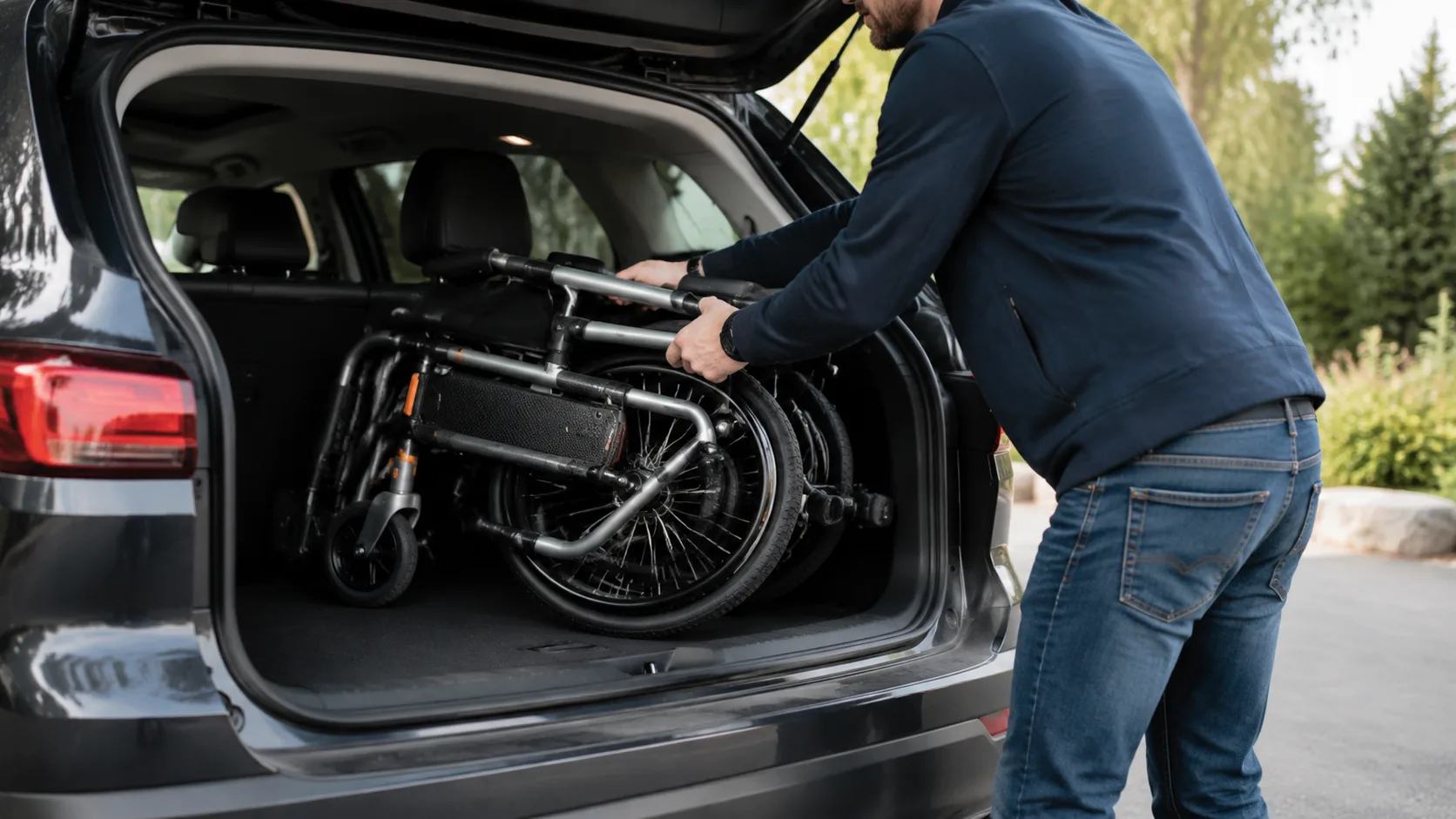
**Folding and full-size electric wheelchairs are not interchangeable products.** A folding model is designed around transport, storage, and quick setup, while a full-size model usually prioritizes seating space, suspension, range, and long-duration use. For importers and distributors, the right question is which configuration fits the route, user, caregiver, and service network in the target market.

Read article →
Electric Wheelchair Range vs Battery Size: What Buyers Should Compare

Product & Technology·

Electric Wheelchair Range vs Battery Size: What Buyers Should Compare

Range claims in electric wheelchair catalogs are easy to copy and hard to verify, which is why buyers often discover that battery size, terrain, user weight, and drive efficiency matter more than a single headline number. This guide compares real-world range factors, explains how to read battery specifications, and gives B2B importers a simple framework for choosing the right balance of battery capacity, weight, and charging time.

Read article →
Electric Wheelchair Brakes: Electromagnetic Braking Systems B2B Guide

Product & Technology·

Electric Wheelchair Brakes: Electromagnetic Braking Systems B2B Guide

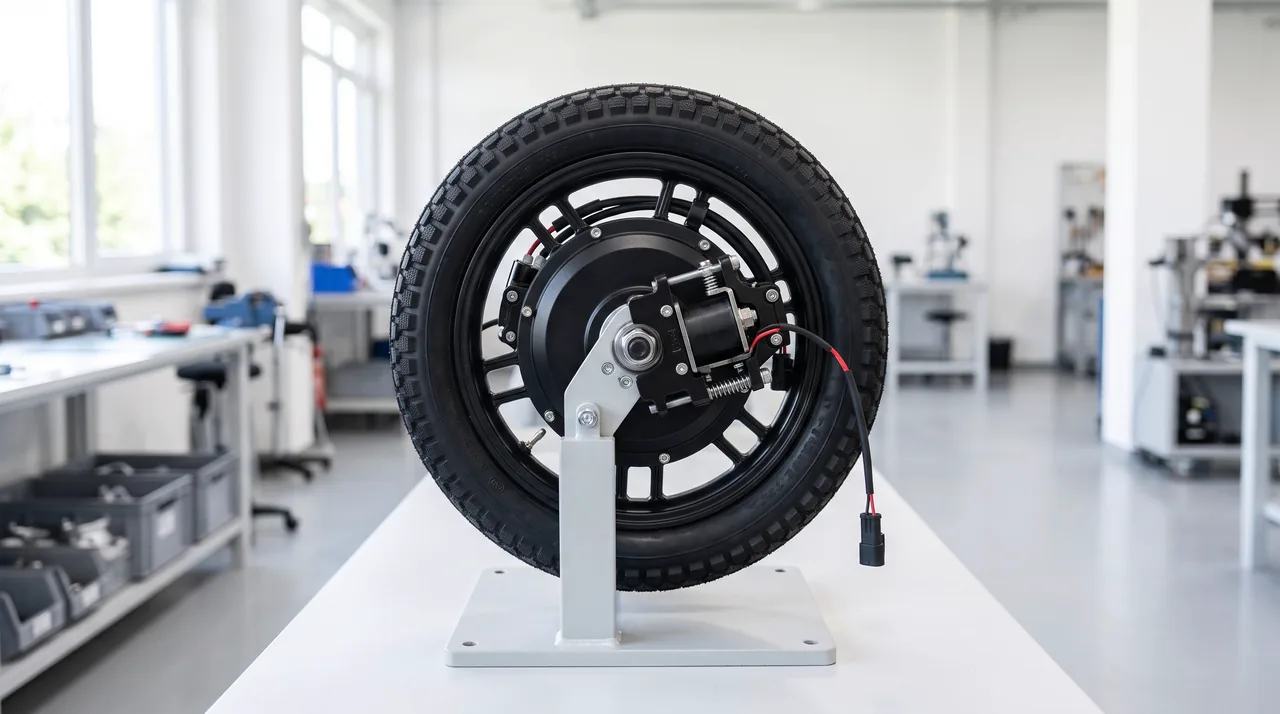
The braking system is the most safety-critical component of an electric wheelchair, and the most under-specified one in a B2B datasheet. This guide explains how electric wheelchair brakes actually work — spring-engaged electromagnetic brakes, regenerative braking, hill holding, and freewheel disengagement — and gives importers a checklist for verifying brake torque, response time, ramp ratings, and certification before ordering.

Read article →
Electric Wheelchair Tires: Solid vs Pneumatic Wheels B2B Guide

Product & Technology·

Electric Wheelchair Tires: Solid vs Pneumatic Wheels B2B Guide

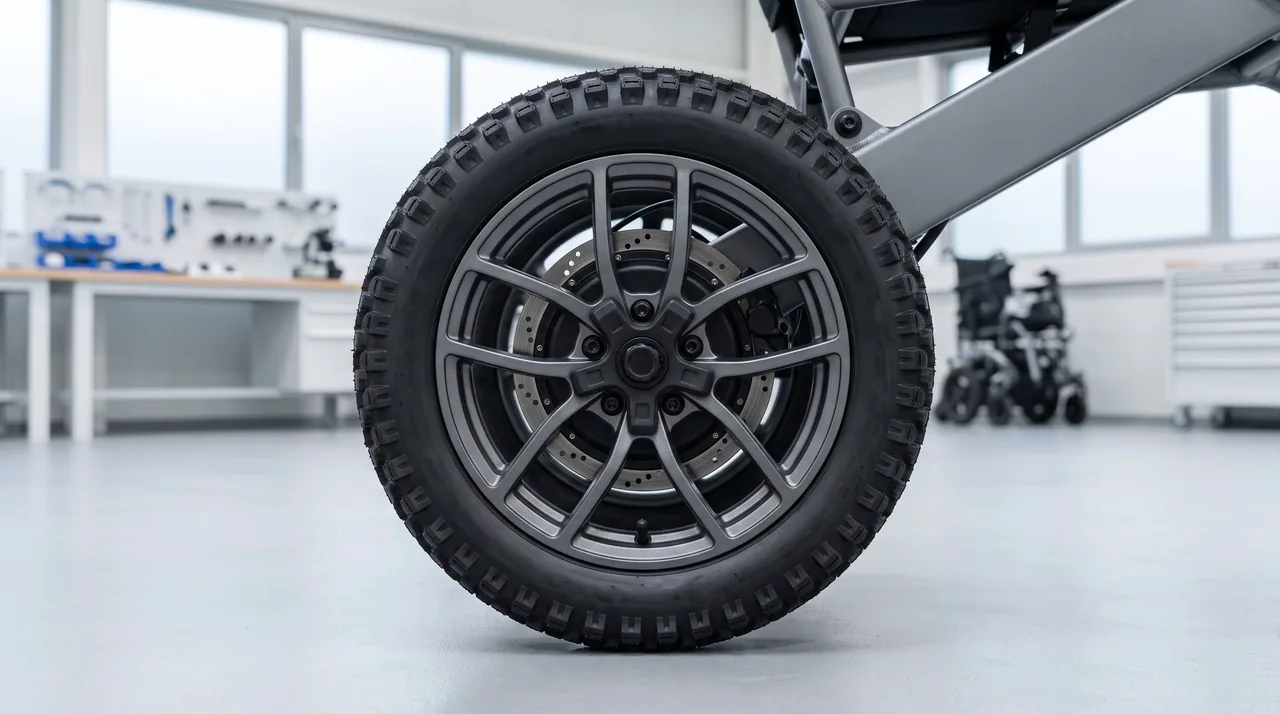
Wheel and tire choice is one of the most practical decisions in an electric wheelchair order, because it decides ride comfort, flat-free reliability, rolling resistance, and maintenance cost for the life of the chair. This guide compares solid, pneumatic (air-filled), and foam-filled electric wheelchair tires across comfort, puncture resistance, terrain, and total cost of ownership, with a B2B decision framework for importers serving different markets.

Read article →
Electric Wheelchair for Muscular Dystrophy: B2B Guide to MD Mobility

Buying Guides·

Electric Wheelchair for Muscular Dystrophy: B2B Guide to MD Mobility

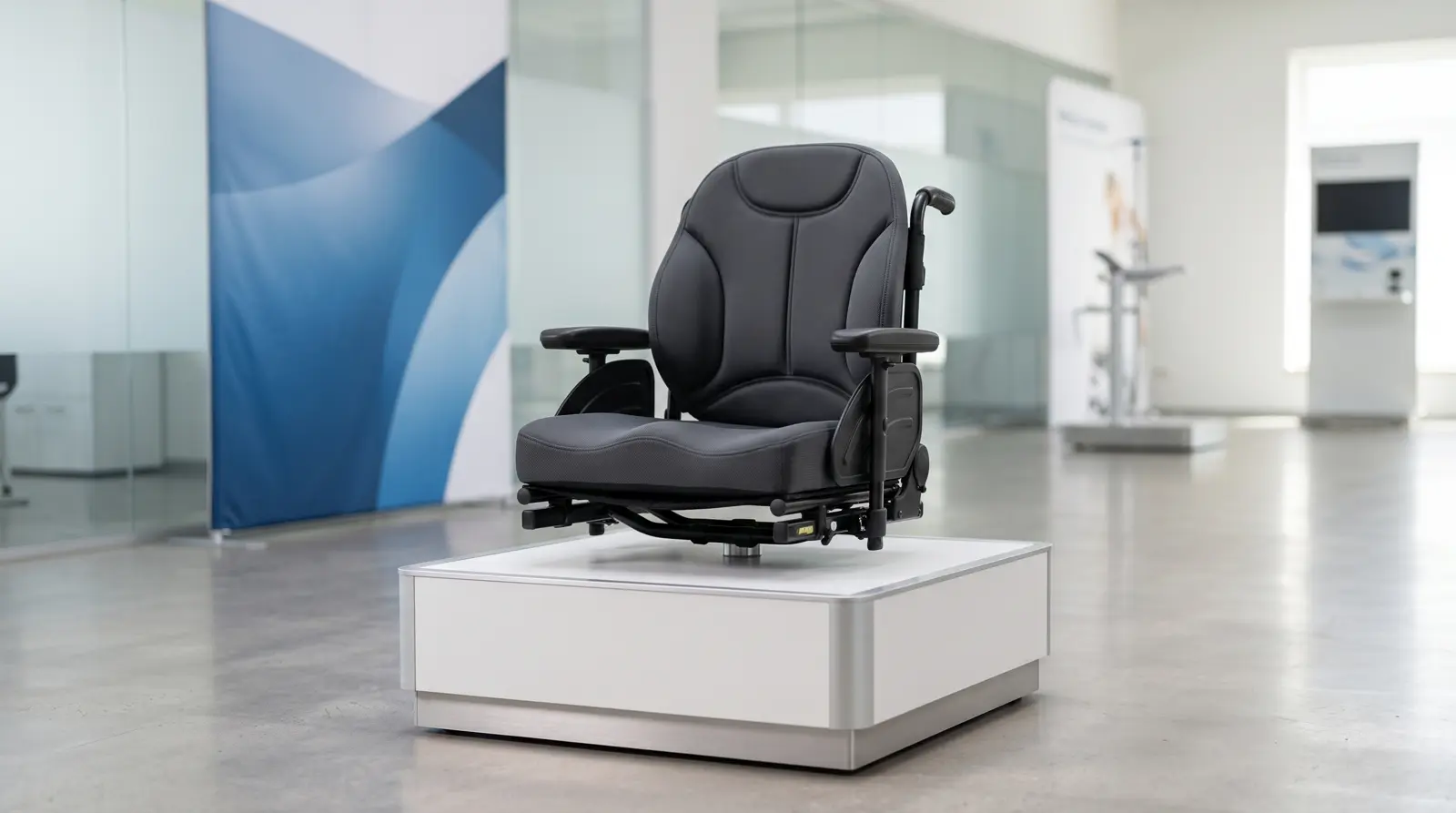
Muscular dystrophy is a progressive muscle-wasting condition whose users lose strength and motor control over time, so their wheelchair must be re-specified around changing posture, weakening grip, and growing fatigue. This B2B guide covers the features an electric wheelchair needs for MD users — alternative controls, tilt and recline seating, lightweight folding design, and caregiver support — with a decision framework for distributors serving this loyal segment.

Read article →