
MiniElephant Electric Wheelchair
NEWS & INSIGHTS

MiniElephant Updates

MiniElephant news, electric wheelchair buying guides, OEM/ODM notes, and practical export insights.

Archive

All articles · page 12

161 articles · page 12 of 17

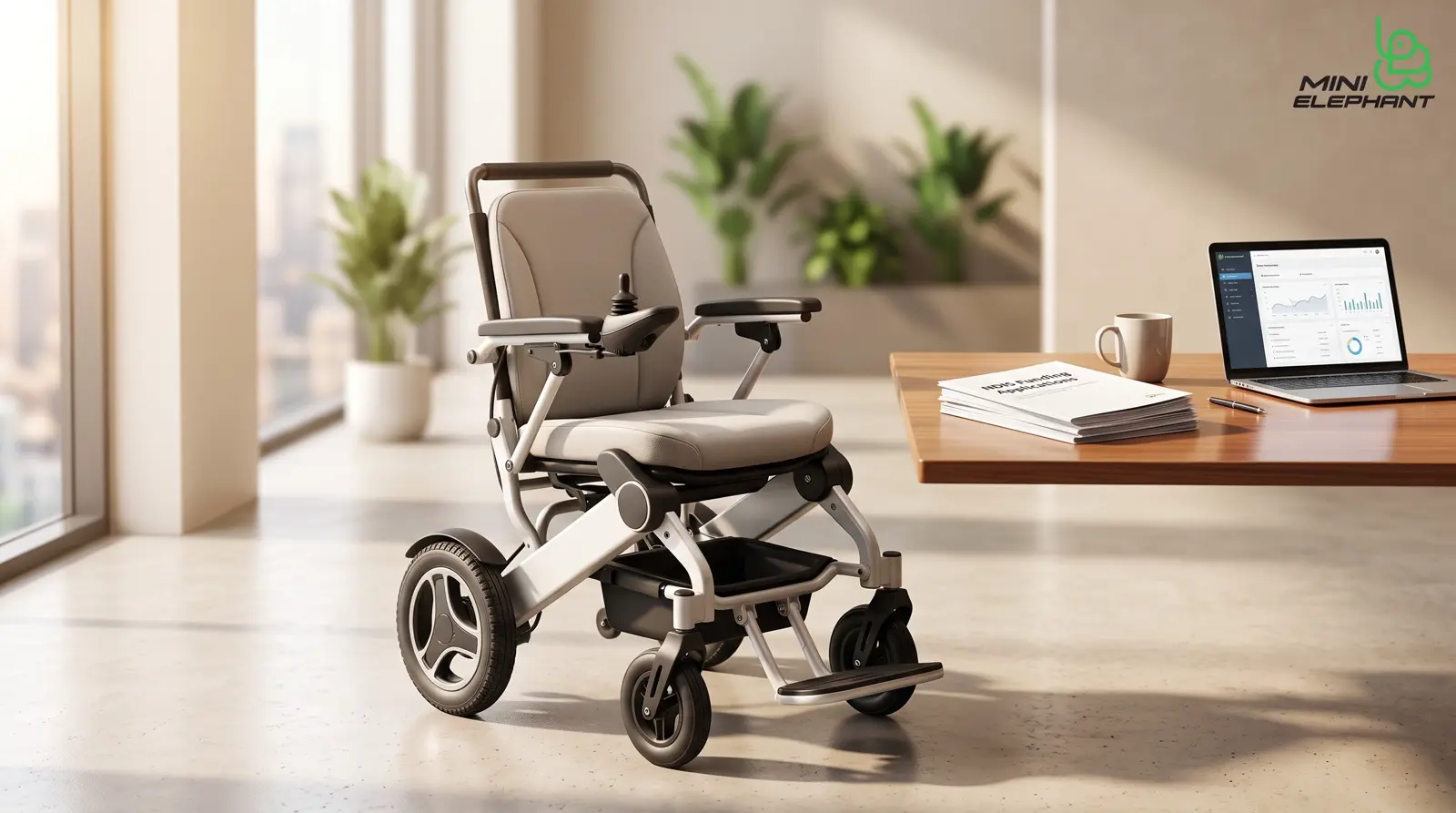
NDIS Electric Wheelchair Funding: B2B Guide to the Australian Market

Market & Industry Insights·

NDIS Electric Wheelchair Funding: B2B Guide to the Australian Market

The Australian NDIS is one of the largest and most predictable funding streams for powered mobility in the world, but its rules, categories, and price limits are specific — and suppliers who do not understand them lose tenders. This guide explains how NDIS funding works for electric wheelchairs, which support categories cover them, the role of assistive technology assessors, and what B2B exporters must prepare to sell into Australia.

Read article →
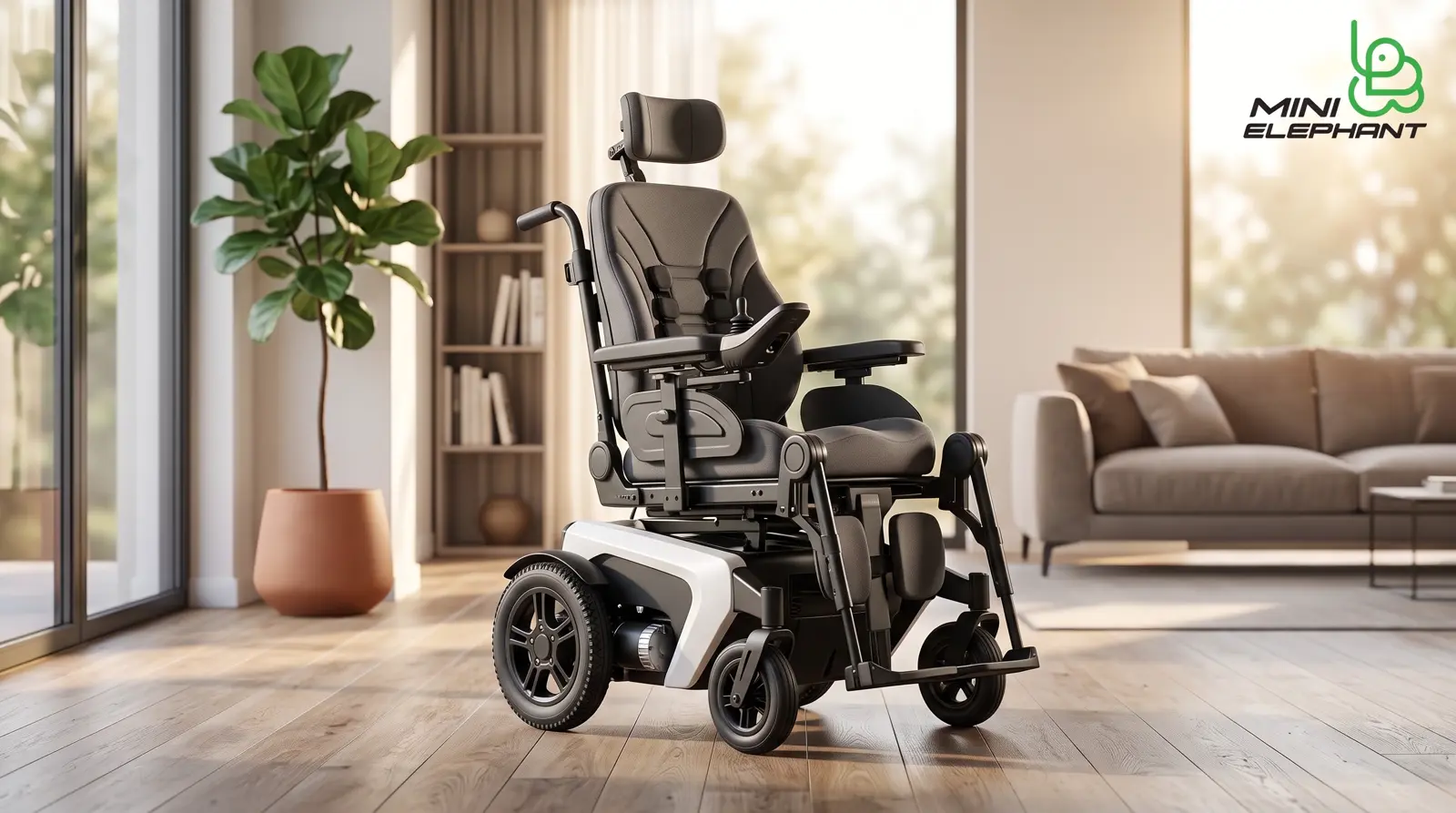
Electric Wheelchair for Children: Pediatric Mobility Buying Guide

Buying Guides·

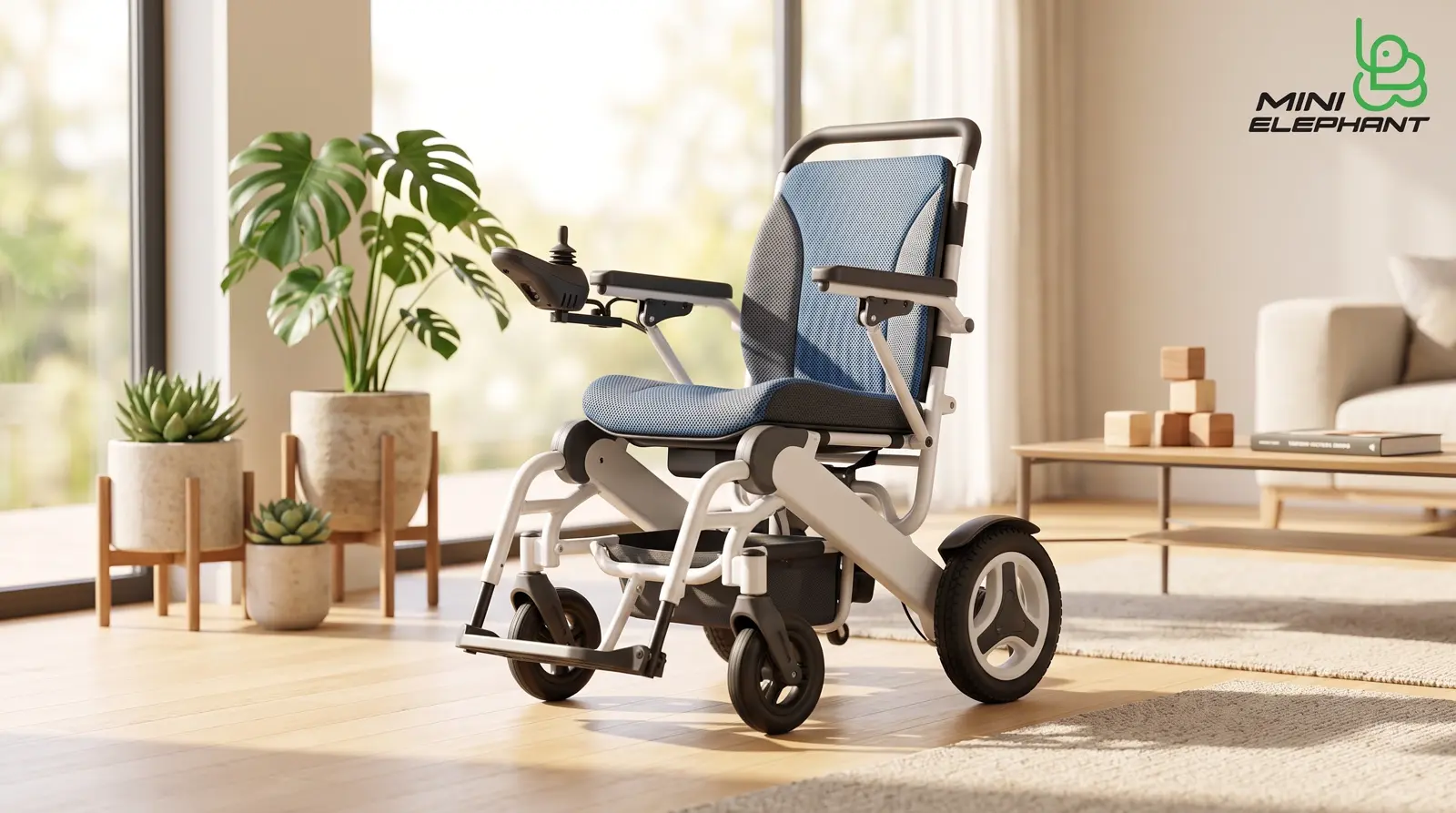
Electric Wheelchair for Children: Pediatric Mobility Buying Guide

Children who cannot walk independently face a decade or more of growing inside their mobility equipment, so a pediatric electric wheelchair must adjust as the child grows, support proper postural development, and stay safe under young drivers. This B2B guide covers the features that define a pediatric electric wheelchair — grow-with-the-child sizing, pelvic and lateral positioning, attendant and joystick control, and transport safety — so distributors can serve the pediatric segment with confidence.

Read article →
Electric Wheelchair for Cerebral Palsy: B2B Guide to CP Mobility

Buying Guides·

Electric Wheelchair for Cerebral Palsy: B2B Guide to CP Mobility

Cerebral palsy is the most common childhood motor disability, and its users sit, move, and control differently depending on whether the condition is spastic, dyskinetic, or ataxic. This B2B guide explains how CP affects wheelchair choice — postural support, pelvic stability, alternative controls, and growth adjustability — and gives distributors a framework for matching an electric wheelchair to a CP user's specific movement patterns.

Read article →
Electric Wheelchair for Spinal Cord Injury: B2B Guide to SCI Mobility

Buying Guides·

Electric Wheelchair for Spinal Cord Injury: B2B Guide to SCI Mobility

Spinal cord injury (SCI) is one of the largest clinical markets for powered mobility, and the users are typically younger, more active, and more demanding than the average wheelchair buyer. This B2B guide covers the features an electric wheelchair needs for SCI users — tilt-in-space and pressure management, drive-system selection, transfer-friendly seating, and shoulder-protecting controls — so distributors can serve a lifelong, insurance-funded customer segment with confidence.

Read article →
Electric Wheelchair in Winter: Cold Weather Performance Guide

Product & Technology·

Electric Wheelchair in Winter: Cold Weather Performance Guide

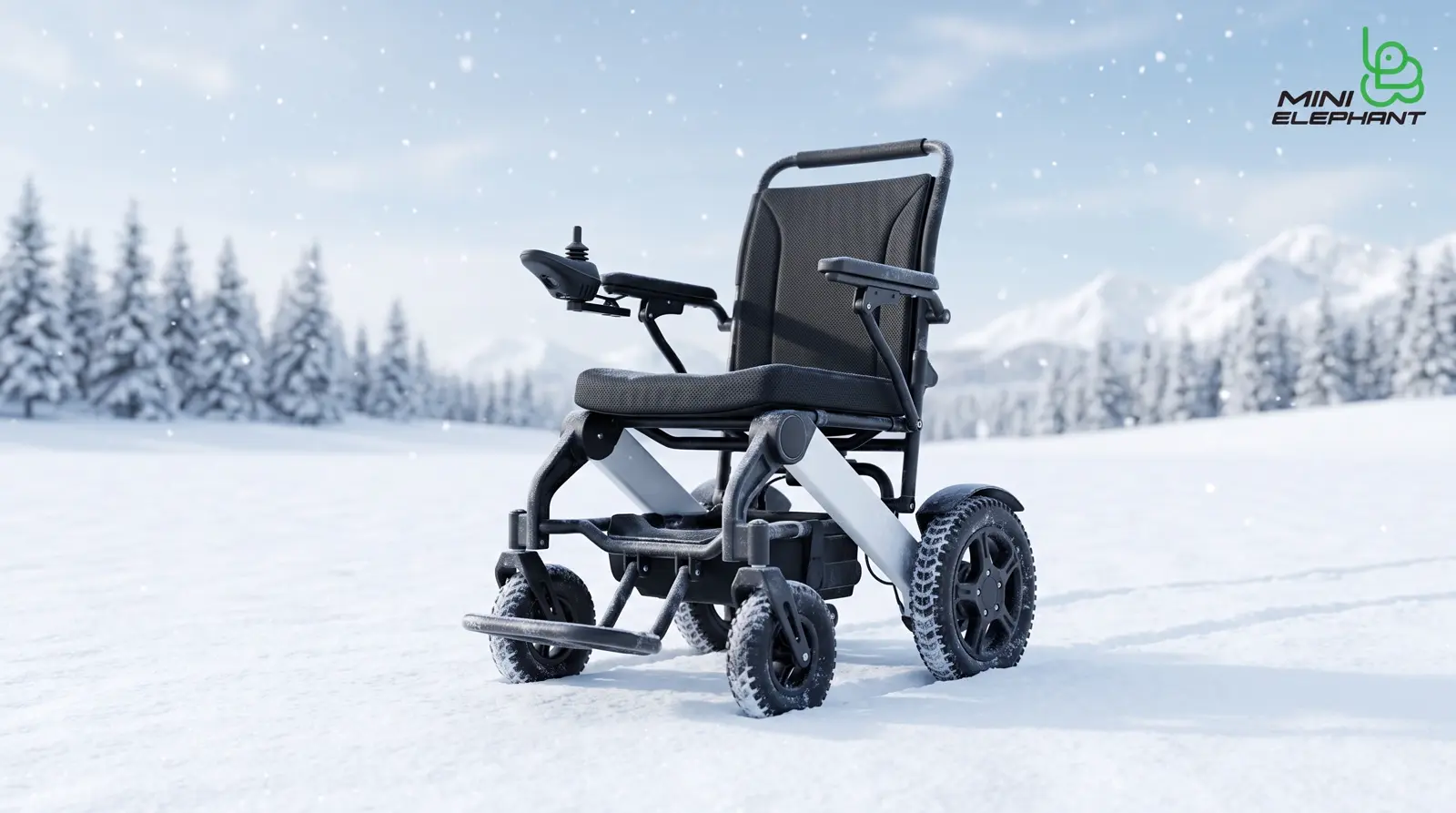
Cold weather is the most reliable cause of range complaints, charging problems, and breakdowns in the electric wheelchair market — lithium batteries lose 10-30% of capacity below 0°C, tires lose grip, and moisture attacks connectors and frames. This guide explains how winter actually affects an electric wheelchair, what users and dealers can do about it, and what B2B buyers should look for when sourcing models for cold markets.

Read article →
Electric Wheelchair Turning Radius Comparison: Indoor Maneuverability Guide

Product & Technology·

Electric Wheelchair Turning Radius Comparison: Indoor Maneuverability Guide

Turning radius decides whether an electric wheelchair fits through doorways, turns in bathrooms, and navigates apartment corridors - yet it is the spec most buyers overlook. This data-driven comparison breaks down turning radius across electric wheelchair categories, explains how drive-wheel position changes real-world turning, and gives B2B buyers a measurement framework to match radius to actual floor plans.

Read article →
Electric Wheelchair for ALS Patients: B2B Guide to Adaptive Mobility

Buying Guides·

Electric Wheelchair for ALS Patients: B2B Guide to Adaptive Mobility

ALS progressively weakens the muscles used for walking, sitting, and even breathing, so mobility equipment must adapt quickly as the condition changes. This B2B guide covers the features an electric wheelchair needs for ALS and motor neurone disease patients — head-array and switch controls, tilt-in-space seating, ventilator mounting, and caregiver push mode — with practical advice for distributors serving this high-value segment.

Read article →
Electric Wheelchair Rental Business: B2B Guide to a Profitable Fleet

Dealer & Distributor Operations·

Electric Wheelchair Rental Business: B2B Guide to a Profitable Fleet

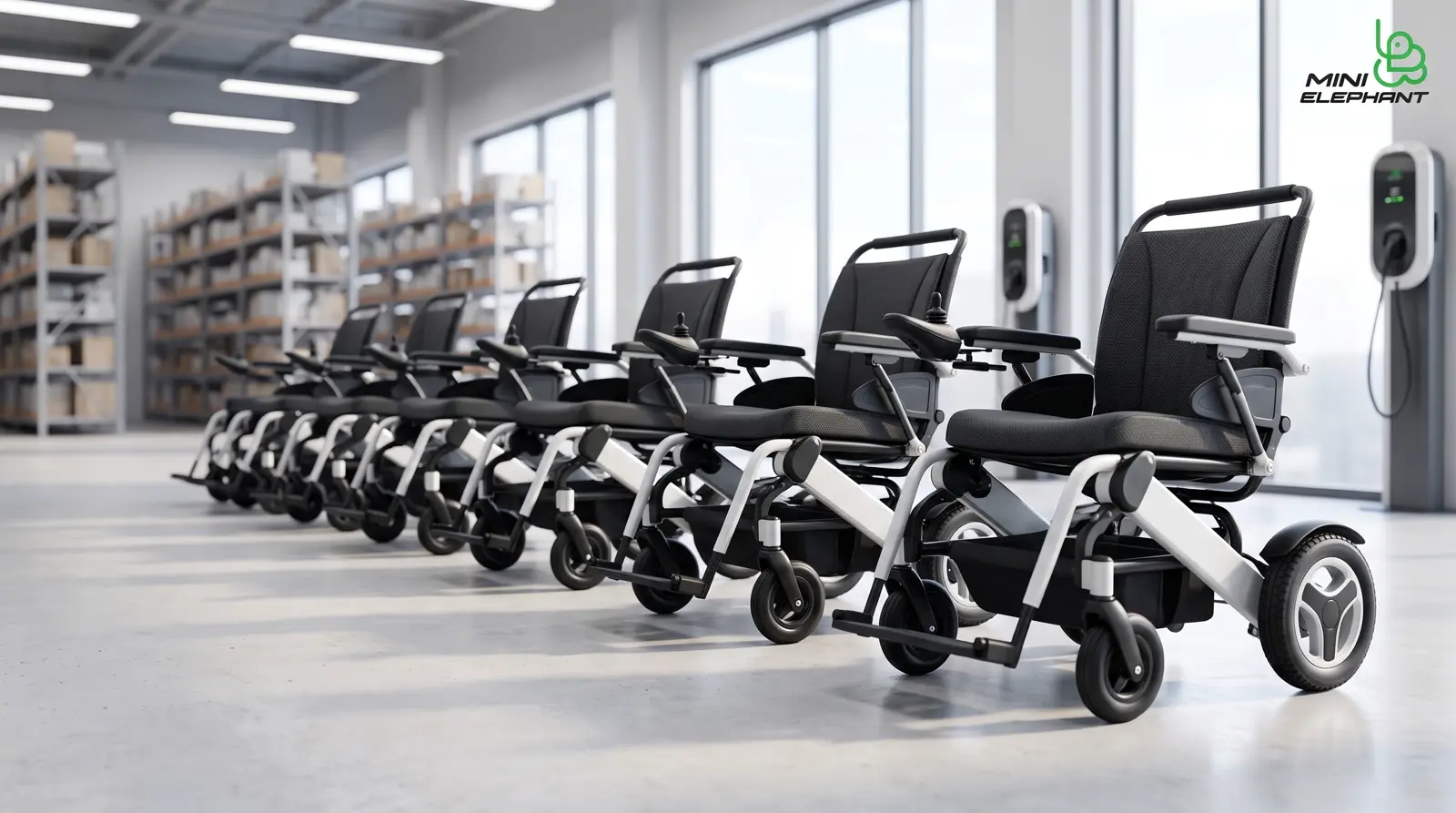
Rental demand for electric wheelchairs is growing as hospitals, airports, hotels, and event venues seek on-demand mobility, and rental margins often beat resale margins once utilization passes a breakeven point. This guide covers rental business models, fleet composition, pricing math, maintenance and cleaning protocols, and the liability questions every rental operator must answer before buying the first unit.

Read article →
Electric Wheelchair Range: Real-World Distance Comparison for B2B Buyers

Product & Technology·

Electric Wheelchair Range: Real-World Distance Comparison for B2B Buyers

The range figure on an electric wheelchair spec sheet is measured in ideal conditions — flat floor, light load, new battery — and real users rarely see it. This comparison explains how far electric wheelchairs actually travel across entry, mid-range, and premium tiers, the battery math behind range, and the six factors that drain it, with a practical specification framework for B2B importers.

Read article →
Electric Wheelchair for Stroke Survivors: Features and B2B Buying Guide

Buying Guides·

Electric Wheelchair for Stroke Survivors: Features and B2B Buying Guide

Stroke is one of the world’s leading causes of long-term disability, and most survivors lose function on one side of the body — which changes every interaction with a wheelchair. This guide reviews the features an electric wheelchair needs for stroke survivors — one-hand control, transfer-friendly seating, caregiver modes — so B2B buyers can stock models that genuinely serve this large segment.

Read article →