
MiniElephant Electric Wheelchair
NEWS & INSIGHTS

Product & Technology

How the machine works: motors, packs, controllers, brakes, frames and the folding mechanism.

Topic

Product & Technologypage 3

How the machine works: motors, packs, controllers, brakes, frames and the folding mechanism.

64 articles · page 3 of 4

Electric Wheelchair Range Testing: A B2B Buyer Guide

Product & Technology·

Electric Wheelchair Range Testing: A B2B Buyer Guide

Published range figures do not tell the whole story because battery condition, user load, terrain, temperature, and driving style change real-world distance. This B2B guide explains how importers and distributors can compare electric wheelchair range claims, design practical tests, and communicate expected performance accurately.

Read article →
Electric Wheelchair Controllers and Joysticks: B2B Buying Guide

Product & Technology·

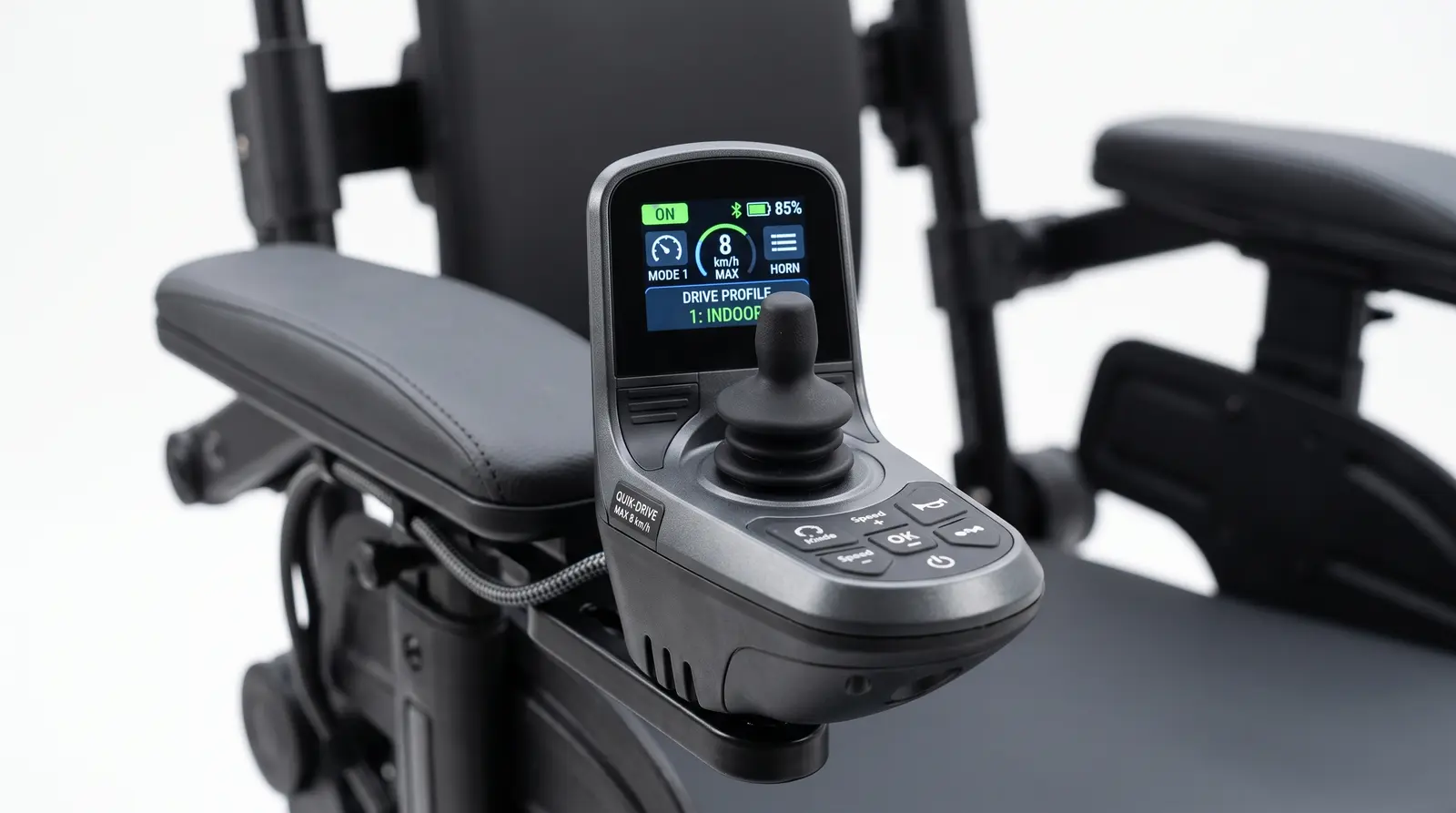
Electric Wheelchair Controllers and Joysticks: B2B Buying Guide

The controller and joystick determine how an electric wheelchair accelerates, turns, stops, and responds to the user. This B2B buying guide explains proportional versus non-proportional controls, programming, attendant controls, connectors, and service support so importers can compare complete drive systems rather than choosing a chair from motor power alone.

Read article →
Folding vs Full-Size Electric Wheelchairs: B2B Comparison Guide

Product & Technology·

Folding vs Full-Size Electric Wheelchairs: B2B Comparison Guide

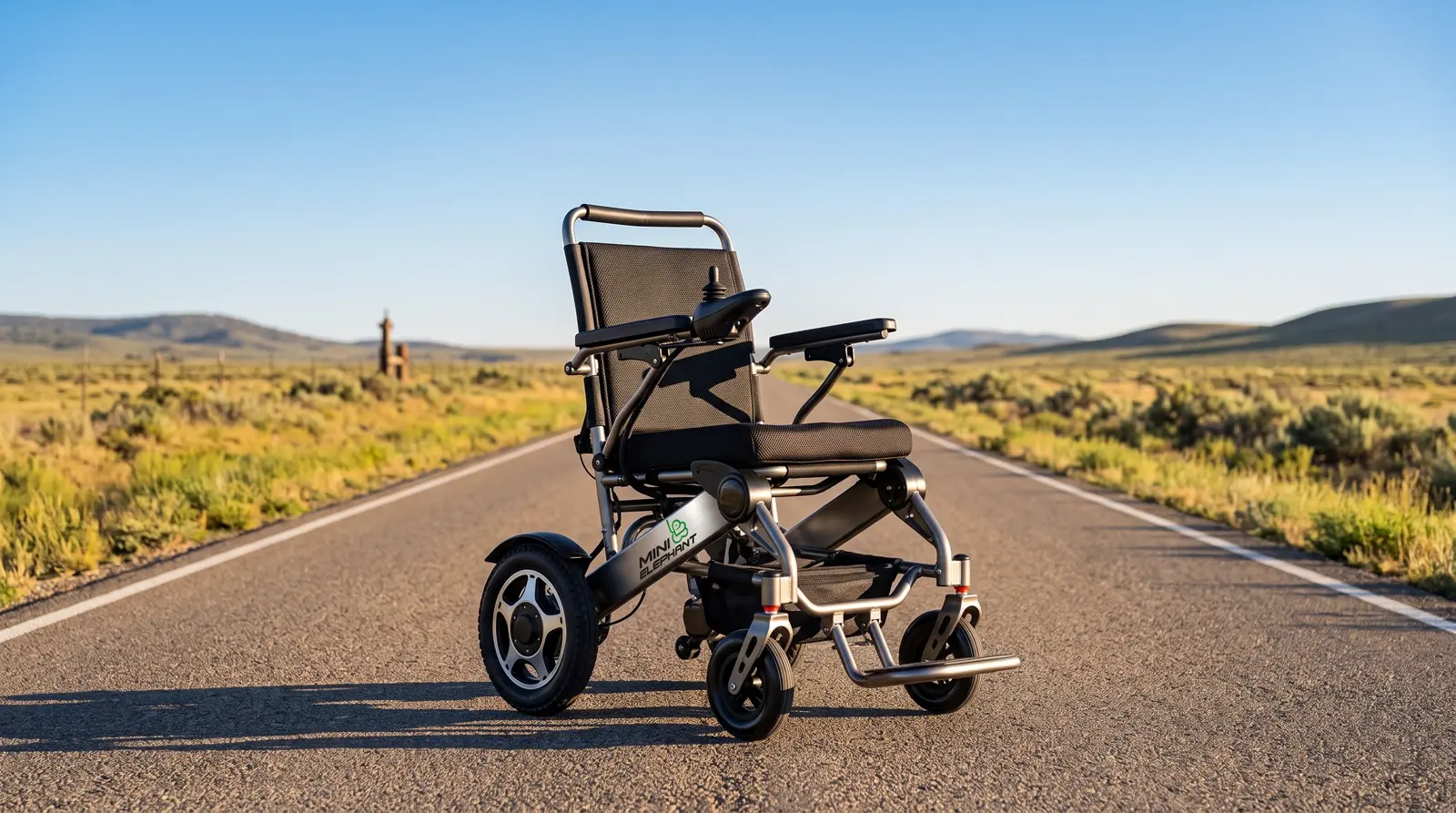
**Folding and full-size electric wheelchairs are not interchangeable products.** A folding model is designed around transport, storage, and quick setup, while a full-size model usually prioritizes seating space, suspension, range, and long-duration use. For importers and distributors, the right question is which configuration fits the route, user, caregiver, and service network in the target market.

Read article →
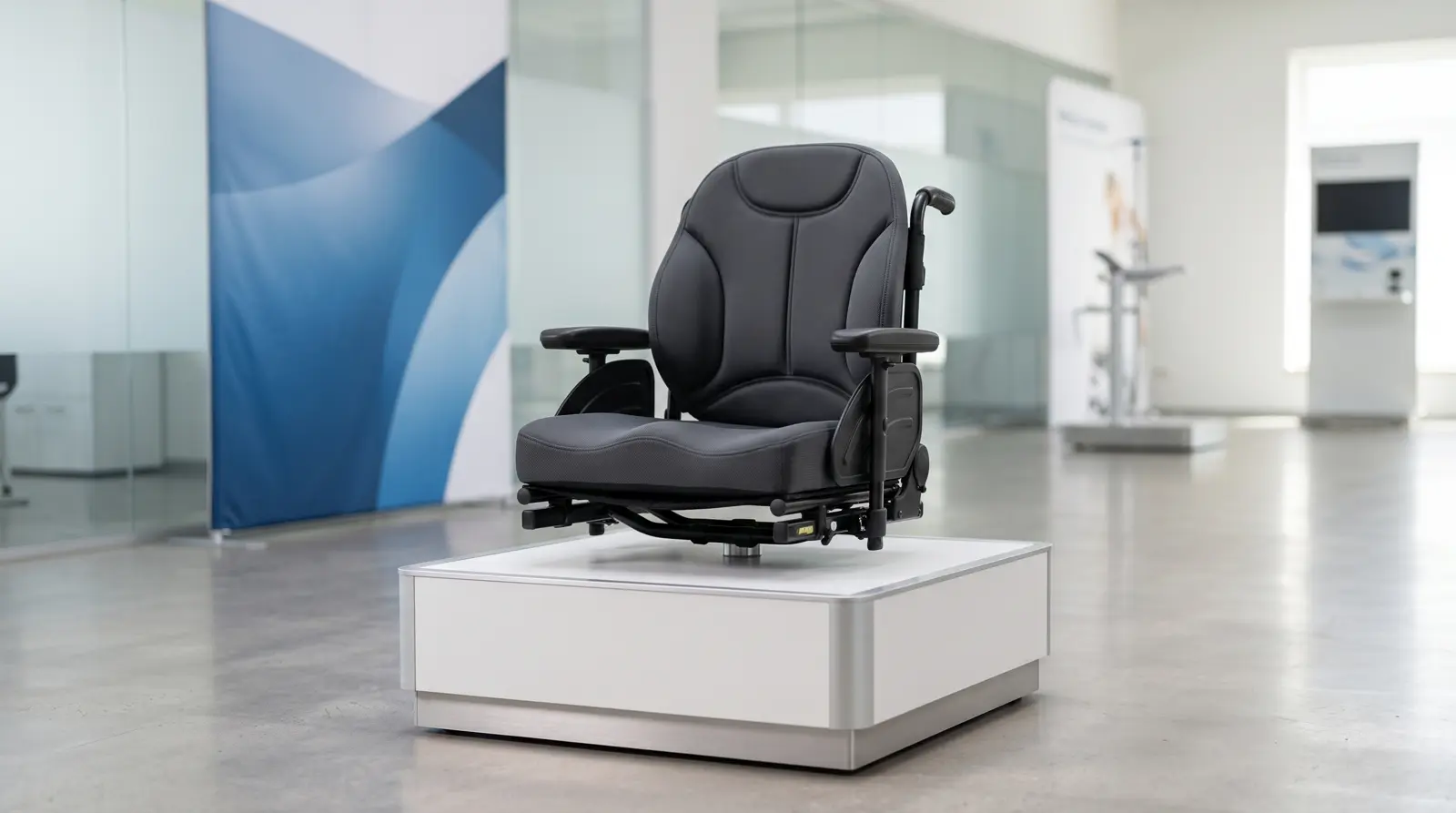
Electric Wheelchair Seat Depth and Width: A Fit Guide for Buyers

Product & Technology·

Electric Wheelchair Seat Depth and Width: A Fit Guide for Buyers

Seat depth and width decide whether an electric wheelchair supports posture comfortably or quietly creates pressure, fatigue, and premature replacement. This B2B guide explains how to size seat depth, seat width, back height, and cushion support for different user body types, and gives importers a practical checklist for matching fit to long-term comfort and clinical outcomes.

Read article →
Electric Wheelchair Range vs Battery Size: What Buyers Should Compare

Product & Technology·

Electric Wheelchair Range vs Battery Size: What Buyers Should Compare

Range claims in electric wheelchair catalogs are easy to copy and hard to verify, which is why buyers often discover that battery size, terrain, user weight, and drive efficiency matter more than a single headline number. This guide compares real-world range factors, explains how to read battery specifications, and gives B2B importers a simple framework for choosing the right balance of battery capacity, weight, and charging time.

Read article →
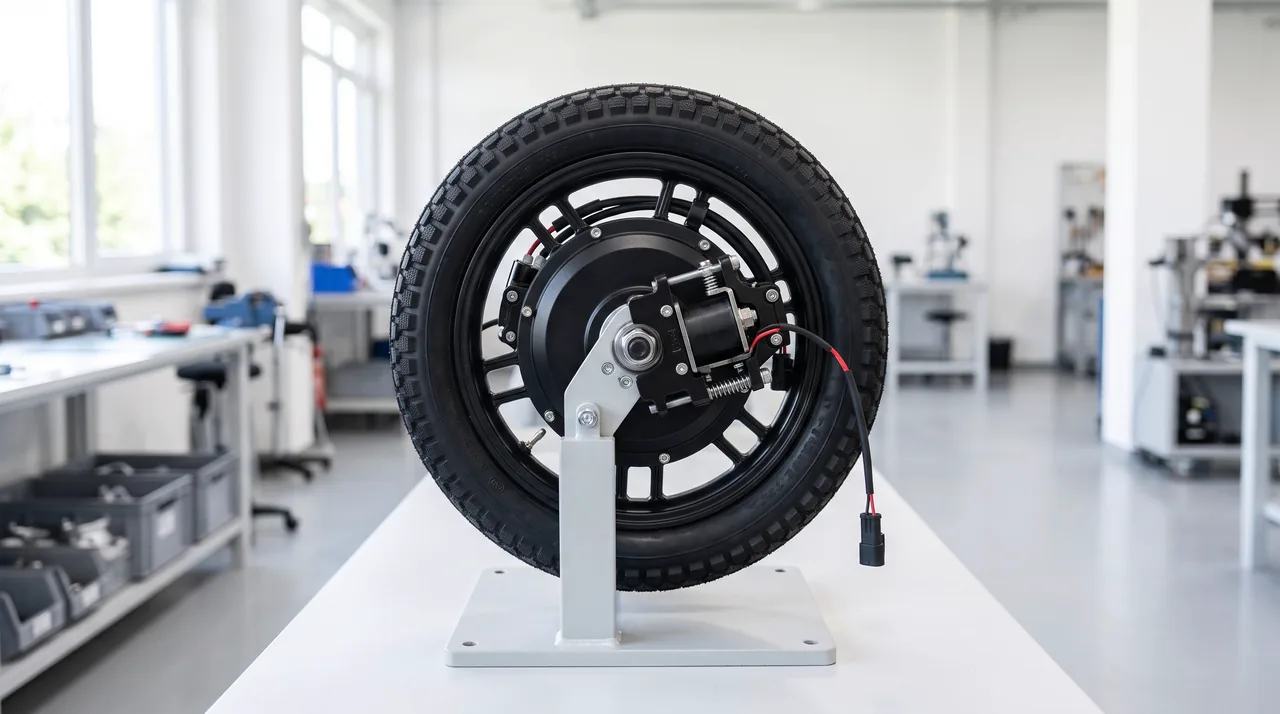
Electric Wheelchair Brakes: Electromagnetic Braking Systems B2B Guide

Product & Technology·

Electric Wheelchair Brakes: Electromagnetic Braking Systems B2B Guide

The braking system is the most safety-critical component of an electric wheelchair, and the most under-specified one in a B2B datasheet. This guide explains how electric wheelchair brakes actually work — spring-engaged electromagnetic brakes, regenerative braking, hill holding, and freewheel disengagement — and gives importers a checklist for verifying brake torque, response time, ramp ratings, and certification before ordering.

Read article →
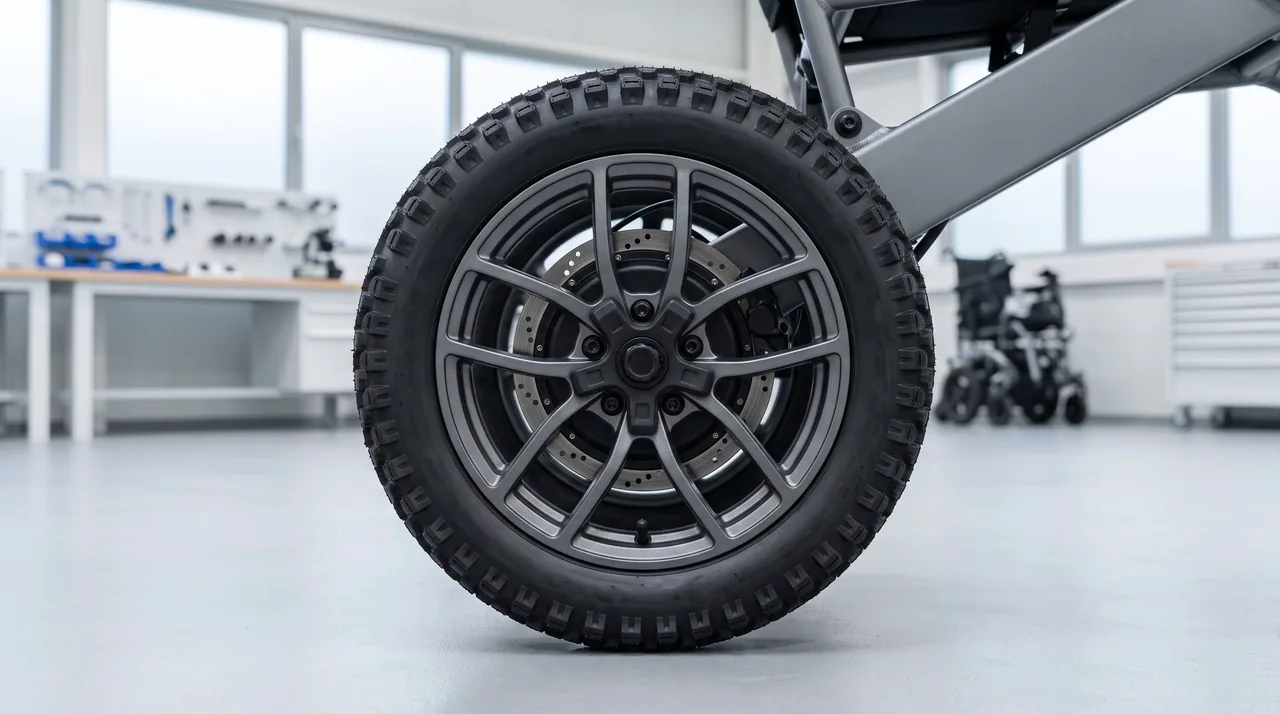
Electric Wheelchair Tires: Solid vs Pneumatic Wheels B2B Guide

Product & Technology·

Electric Wheelchair Tires: Solid vs Pneumatic Wheels B2B Guide

Wheel and tire choice is one of the most practical decisions in an electric wheelchair order, because it decides ride comfort, flat-free reliability, rolling resistance, and maintenance cost for the life of the chair. This guide compares solid, pneumatic (air-filled), and foam-filled electric wheelchair tires across comfort, puncture resistance, terrain, and total cost of ownership, with a B2B decision framework for importers serving different markets.

Read article →
Electric Wheelchair Charging Time Comparison: Fast vs Standard Chargers

Product & Technology·

Electric Wheelchair Charging Time Comparison: Fast vs Standard Chargers

Charging time is one of the most underrated specs in an electric wheelchair procurement decision, with real-world charge times ranging from 2 to 12 hours depending on battery chemistry and charger output. This comparison breaks down standard 2A-3A chargers versus fast 5A-8A systems, the impact on cycle life, and a practical decision framework for B2B importers.

Read article →
Electric Wheelchair in Winter: Cold Weather Performance Guide

Product & Technology·

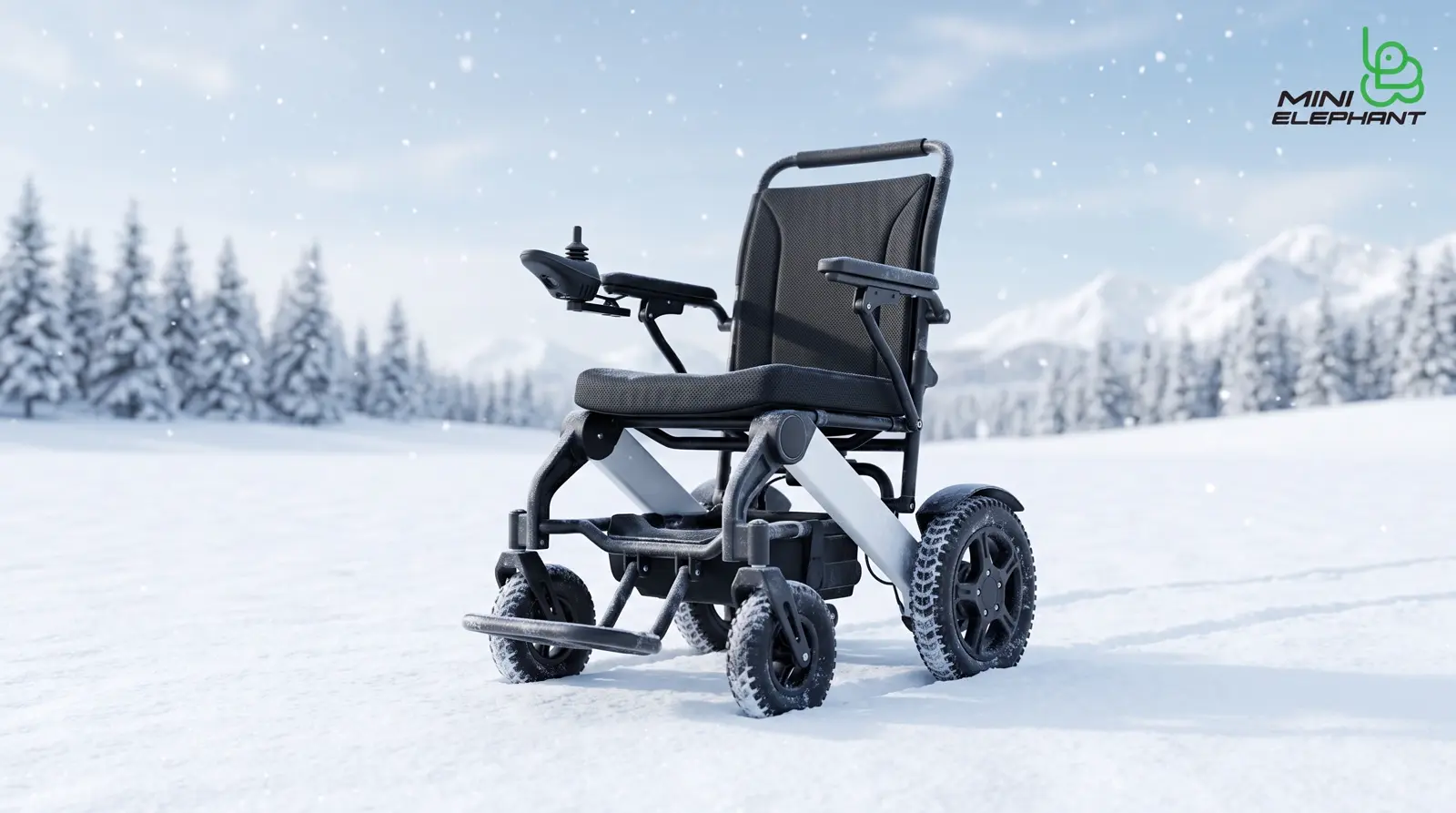
Electric Wheelchair in Winter: Cold Weather Performance Guide

Cold weather is the most reliable cause of range complaints, charging problems, and breakdowns in the electric wheelchair market — lithium batteries lose 10-30% of capacity below 0°C, tires lose grip, and moisture attacks connectors and frames. This guide explains how winter actually affects an electric wheelchair, what users and dealers can do about it, and what B2B buyers should look for when sourcing models for cold markets.

Read article →
Electric Wheelchair Turning Radius Comparison: Indoor Maneuverability Guide

Product & Technology·

Electric Wheelchair Turning Radius Comparison: Indoor Maneuverability Guide

Turning radius decides whether an electric wheelchair fits through doorways, turns in bathrooms, and navigates apartment corridors - yet it is the spec most buyers overlook. This data-driven comparison breaks down turning radius across electric wheelchair categories, explains how drive-wheel position changes real-world turning, and gives B2B buyers a measurement framework to match radius to actual floor plans.

Read article →
Electric Wheelchair Range: Real-World Distance Comparison for B2B Buyers

Product & Technology·

Electric Wheelchair Range: Real-World Distance Comparison for B2B Buyers

The range figure on an electric wheelchair spec sheet is measured in ideal conditions — flat floor, light load, new battery — and real users rarely see it. This comparison explains how far electric wheelchairs actually travel across entry, mid-range, and premium tiers, the battery math behind range, and the six factors that drain it, with a practical specification framework for B2B importers.

Read article →
Electric Wheelchair Recline vs Tilt-in-Space: 2026 B2B Buyer Guide

Product & Technology·

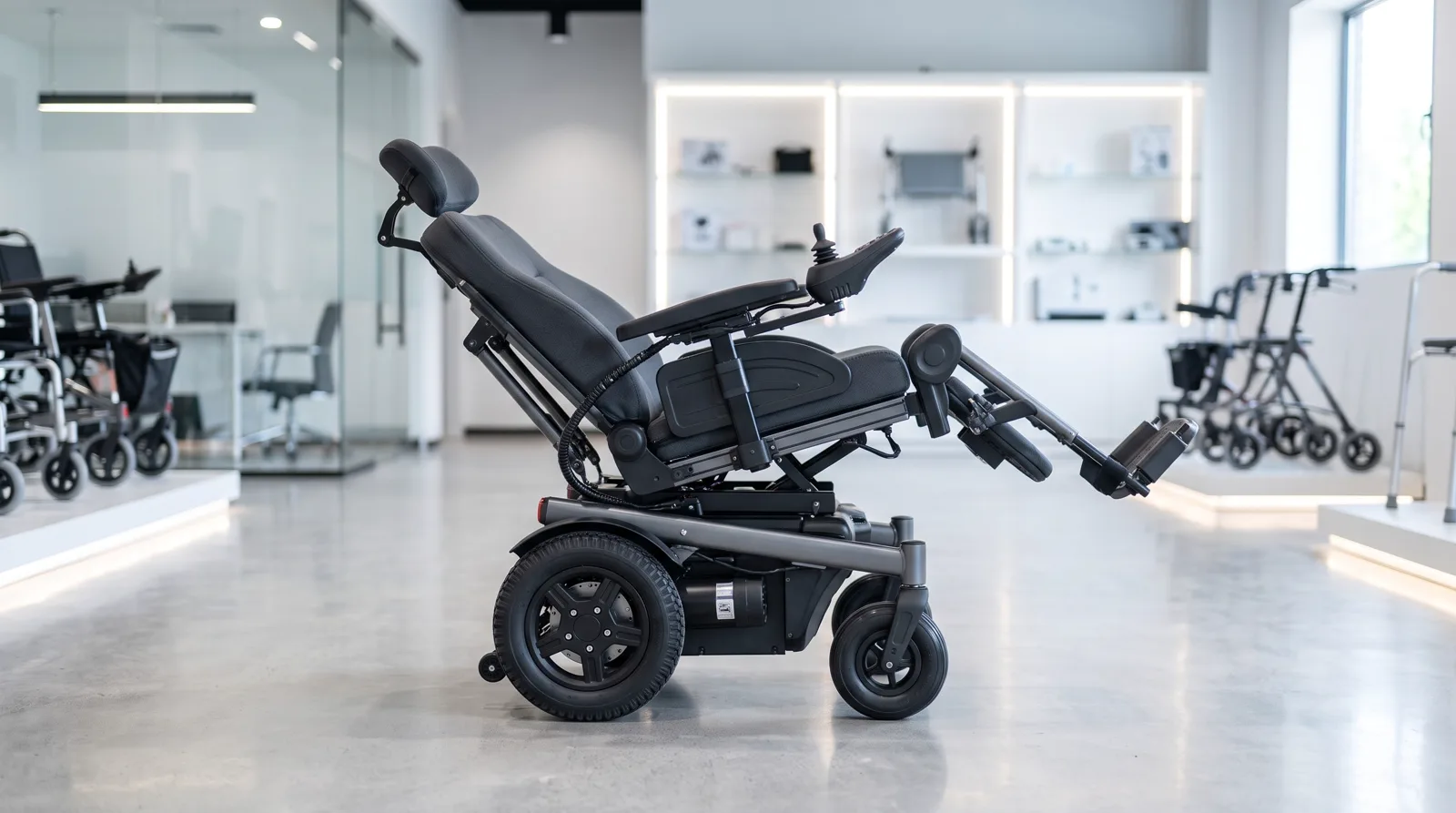
Electric Wheelchair Recline vs Tilt-in-Space: 2026 B2B Buyer Guide

Recline and tilt-in-space are the two seating functions that most often decide institutional electric wheelchair tenders — and B2B buyers regularly confuse them. This comparison explains how each function works, the pressure and shear trade-offs, typical specification ranges across the market, and a four-step decision framework for stocking the right configuration.

Read article →
Electric Wheelchair Weight Capacity Comparison: Standard vs Bariatric

Product & Technology·

Electric Wheelchair Weight Capacity Comparison: Standard vs Bariatric

Weight capacity is the electric wheelchair spec most likely to cause returns, safety complaints, and liability when it does not match your market. This B2B comparison reviews standard, heavy-duty, and bariatric electric wheelchair models across rated load, seat width, frame materials, motor output, and brake hardware, with the 80% margin rule and a practical selection framework for importers.

Read article →
Smart Electric Wheelchairs: App Control and Connectivity for B2B Buyers

Product & Technology·

Smart Electric Wheelchairs: App Control and Connectivity for B2B Buyers

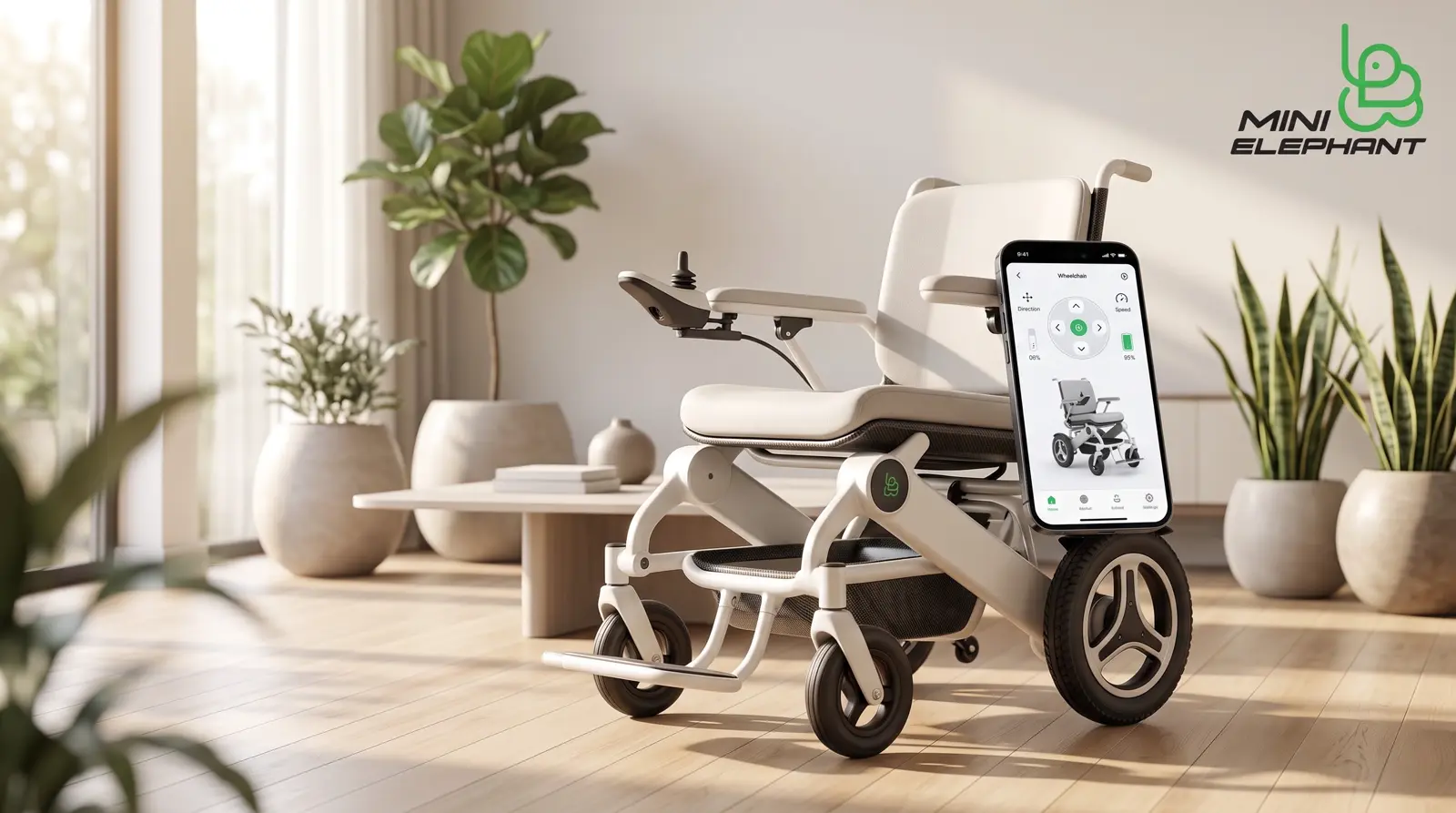
App-controlled electric wheelchairs have moved from novelty to a serious B2B differentiator. This guide explains what connectivity really delivers — driving profiles, battery monitoring, remote diagnostics, and anti-theft features — and how importers should evaluate smart claims before stocking a connected model.

Read article →